
Iran blocks uranium talks, US weighs $8B deal as war drags on
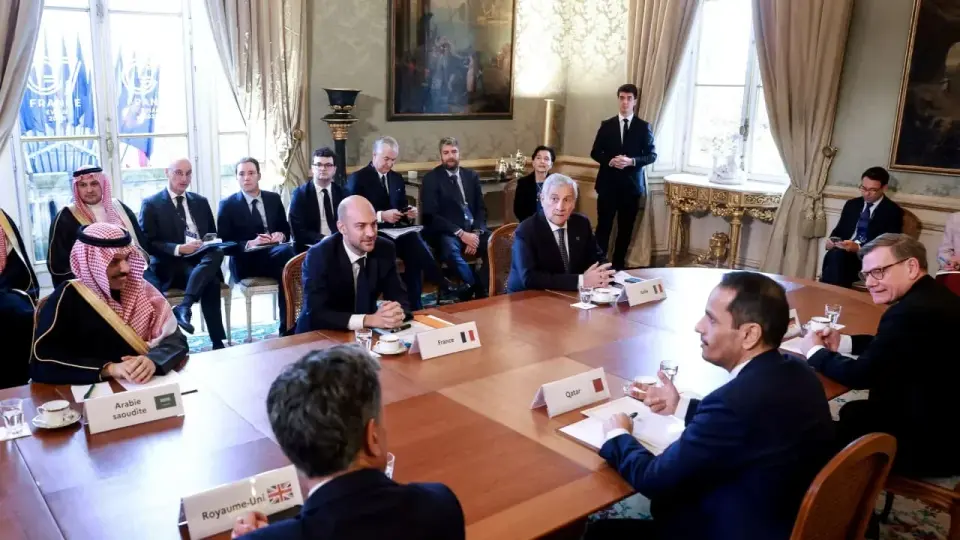
Qatar is mediating a potential US-Iran deal to lift blockades in exchange for ending tanker attacks, but Tehran refuses to discuss its nuclear program. US officials are split on whether to accept a deal that spares the Iranian regime, while Iran insists on sanctions relief before talks.
Key points
- Qatari PM Al Thani met with Trump to reassure Iran of US commitment to a deal, but gaps remain significant.
- Iran’s security chief Mohsen Rezaei stated that no enriched uranium will leave the country, citing needs for naval propulsion.
- A proposed interim deal would unfreeze $8 billion in Iranian funds and lift US blockades in exchange for ending attacks on Gulf shipping.
- US administration officials, including Treasury Secretary Bessent and War Secretary Hegseth, oppose a deal that would save the Iranian regime.
- The eight-month war has driven up US fuel prices and contributed to Republican losses in the November 3 midterm elections.
Background
The conflict began in June 2025 with US and Israeli strikes on Iranian nuclear facilities. Previous mediation attempts, including a May memorandum of understanding, collapsed after Iran attacked oil tankers. Iran has consistently rejected transferring its 60% enriched uranium to a third country, a position reiterated by Rezaei in October and November.
How outlets are covering it
The Hill reports that Al Thani described talks as 'positive' and that Trump is maintaining a naval blockade to protect Gulf partners. Israel Hayom highlights internal US opposition, noting that Vance supports a deal to end the war, while Bessent and others fear it will reward Tehran. The Jerusalem Post emphasizes that Iran has sent a nuclear proposal only after seven demands are met, and that Rezaei warned of retaliatory strikes on US bases in Europe if attacks resume.
Why it matters
The stalemate risks prolonging a war that has cost the Gulf over $200 billion in damage and disrupted global energy markets. A failure to reach a deal could lead to renewed military strikes, while a deal may be seen as a victory for Iran’s regime despite economic collapse.
What to watch
Trump has given mediators roughly two weeks to exhaust diplomatic options. If no agreement is reached, the US may resume military action, while Iran may escalate attacks on shipping or cut undersea cables in the Strait of Hormuz.
- Iran-US deal faces major hurdles as Tehran refuses uranium transfer The Jerusalem Post
- Trump to meet Qatar's prime minister as Iran diplomacy faces hurdles Reuters
- Qatari prime minister says Iran discussions with US were ‘positive’ The Hill
- $8 billion lifeline? Iranian deal set to land on Trump's desk www.israelhayom.com
- Qatar Secured ‘at Least Two Weeks’ For Diplomacy To Avert US Strike On Iran i24NEWS
Want the full story? Read the original reporting
Read on The Jerusalem Post