
Iran Targets US Base in Kuwait as Regional War Intensifies
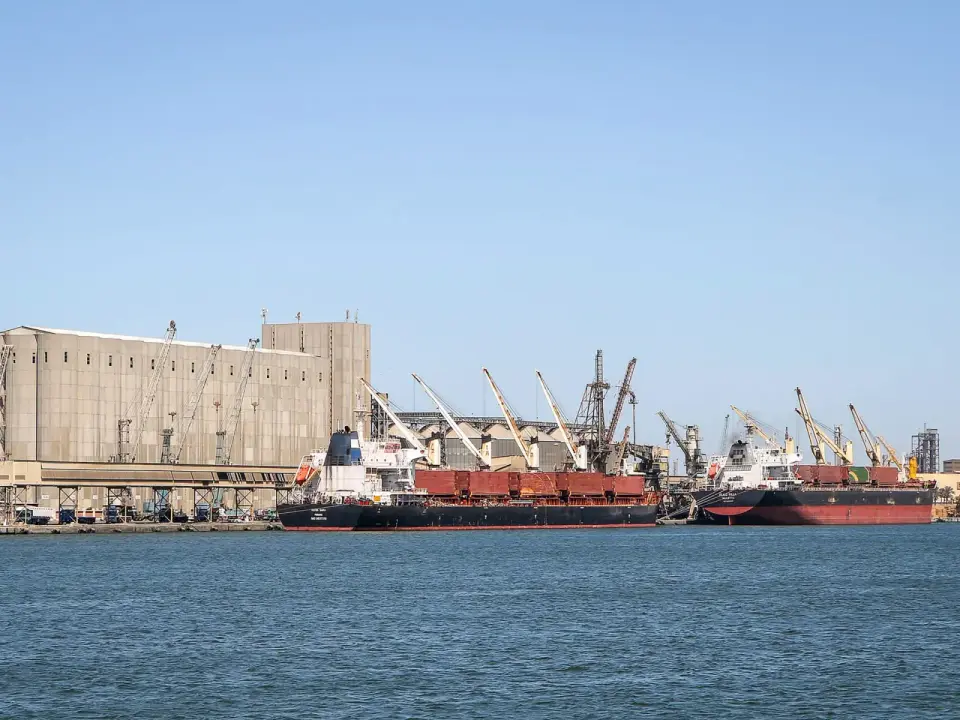
Iran launched drone attacks on US military assets in Kuwait on Friday, retaliating for US strikes on Iran. The US confirmed interceptions but reported no major damage. This escalation follows a cycle of tit-for-tat strikes, with Iran targeting infrastructure across the Gulf and the US hitting IRGC facilities. Analysts warn of a shift from vertical to horizontal escalation, potentially widening the conflict.
Key points
- Iran's army stated it targeted hangars, satellite systems, and warehouses at Kuwait's Ahmad Al-Jaber airbase using drones.
- The US Defense Department confirmed projectiles were launched but stated there was no major impact on US bases in the region.
- Kuwait reported detecting and destroying multiple drones, with shrapnel causing material damage but no injuries.
- US Central Command struck dozens of IRGC targets in Iran, including command centers and missile facilities, in a two-hour operation.
- Iran's IRGC vowed to 'punish the aggressor' and claimed full control of the Strait of Hormuz.
- Oil prices surged, with Brent crude rising 7.9% to $90.74 per barrel following the renewed hostilities.
Background
This latest exchange follows a pause in US bombing campaigns that lasted 13 nights, which was broken by Iran's surprise missile attack on US forces in Jordan. Previous tensions included Iranian strikes on civilian infrastructure in Gulf states and US-Saudi joint strikes against Iran-backed groups in Iraq. The conflict, which began in late February, has disrupted shipping and oil markets, with Iran previously targeting Bahrain and Kuwait.
How outlets are covering it
Al Jazeera emphasizes Iran's strategy of 'horizontal escalation' to expand the conflict's geographical scope, citing researcher Ali Akbar Dareini. The New York Times focuses on the limited impact of the Kuwait attack, noting no major damage to US bases. Fox News highlights the shift in Iranian strategy to surprise attacks, with expert Behnam Ben Taleblu warning that Tehran is becoming more risk-tolerant and dangerous. CNBC underscores the economic impact, noting the surge in oil prices and the IRGC's threat to countries aiding the US. All sources agree on the escalation but differ on the assessment of Iran's intent and the potential for further widening of the war.
Why it matters
The strikes signal a potential end to the brief diplomatic pause and a return to direct military exchanges. The targeting of US assets in Kuwait and the IRGC's threats to the Strait of Hormuz raise concerns about a broader regional war. The economic impact, including oil price spikes and shipping disruptions, could have global repercussions. The conflict's expansion into new fronts, such as Iraq and the Red Sea, indicates a complex and volatile situation.
What to watch
The US has not yet responded to Iran's latest attack on Kuwait, but the IRGC has vowed further retaliation. Analysts predict a continuation of tit-for-tat strikes, with diplomatic efforts involving Gulf states continuing in parallel. The key risk is a direct attack that could prompt a collective Gulf military response or Houthi escalation in the Bab al-Mandeb. Oil markets and shipping routes will remain under close scrutiny as the conflict evolves.
- IRGC strikes US targets in Kuwait a day after US hits Iran: Latest events Al Jazeera
- Iran Says It Targeted U.S. Military in Kuwait With Drones The New York Times
- Trump retaliates after Iran attack as expert warns regime is growing more dangerous Fox News
- Iran says it will 'punish the aggressor today' after 'heavy wave' of U.S. strikes CNBC
- US strikes Iran again as war widens with attack on Egypt port - as it happened Reuters
Want the full story? Read the original reporting
Read on Al Jazeera