
Iran Dismisses Qatari Peace Draft as 'Unacceptable' Amid Rising War Costs and Yemen Escalation
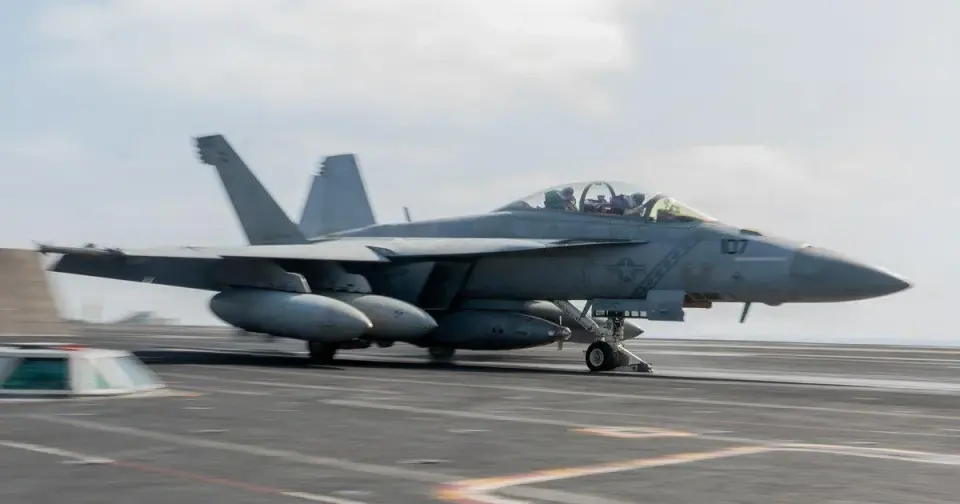
Qatari mediators presented a new draft deal to Iran on Sunday to end the eight-month war, but Tehran rejected it as 'unacceptable' and refused to show flexibility on nuclear issues. The US military estimates the war’s cost at $47 billion, while Houthi attacks on Saudi Arabia have pushed oil prices above $115 per barrel. Israeli exit polls show a political stalemate, complicating regional stability.
Key points
- Qatari mediators handed Iran a new draft deal on Sunday, but a senior Iranian official dismissed it as 'unacceptable ideas' rather than a genuine offer, maintaining zero flexibility on nuclear matters.
- The US military’s Central Command estimates the total cost of the Iran war at $47 billion, with $29 billion allocated for replacing expended munitions, excluding damage to US bases.
- Houthi forces called for the evacuation of Aden International Airport, claiming a Saudi military cargo aircraft was transporting weapons, amid fighting that has killed nearly 100 fighters since Monday.
- Oil prices rose above $115 per barrel following a Houthi attack on Saudi Arabia’s Ras Tanura refinery, heightening concerns over global supply risks.
- Israeli exit polls indicate a stalemate, with Netanyahu’s Likud party emerging as the largest but lacking a clear majority, while both blocs vow not to form coalitions reliant on Arab parties.
Background
This latest mediation follows a failed September proposal by Iran to reopen the Strait of Hormuz, which Trump rejected. Previous efforts by Qatar and Pakistan to mediate have been complicated by Pakistan’s shift toward a military alliance with Saudi Arabia under the Mecca Pact, which Iran viewed as a betrayal of neutrality. The current negotiations occur against a backdrop of eroding US approval ratings ahead of midterms and ongoing tensions between Israel and Iran-backed groups.
How outlets are covering it
CBS News and Reuters emphasize the diplomatic deadlock, noting that while Qatari mediators presented a new draft, Iran dismissed it as 'unacceptable.' Middle East Eye highlights the broader economic impact, citing Iran’s warning that any Israeli attack in the Gulf would have a 'devastating impact' on global markets. All sources agree on the Houthi-Saudi escalation, but Middle East Eye provides specific casualty figures (63 Houthis, 34 government forces) near the Bab al-Mandab Strait, while CBS focuses on the evacuation call for Aden airport. Reuters notes that the new draft differs from the earlier Hormuz proposal and includes daily confidence-building steps, a detail not highlighted by CBS or Middle East Eye.
Why it matters
The rejection of the Qatari draft risks prolonging the eight-month war, potentially triggering renewed US-Israeli strikes and further destabilizing global energy markets. The $47 billion cost and rising oil prices underscore the economic strain on both the US and global consumers, while the Houthi-Saudi conflict threatens critical shipping lanes like the Bab al-Mandab Strait.
What to watch
Iran is expected to respond to the Qatari draft by the end of the week. Meanwhile, Israeli coalition talks will begin as Netanyahu and his rival Gadi Eisenkot struggle to form governments, with both supporting strikes on Iran. The Houthi-Saudi conflict may intensify, potentially leading to further attacks on Saudi infrastructure and shipping routes.
- Live Updates: Iran rejects "unacceptable" ideas as Qatari mediators say they presented new draft deal to Tehran CBS News
- Iran rejects 'unacceptable' proposal by Qatar to end war with US Middle East Eye
- Qatari mediators hand Iran new proposal to end the war Yahoo
- Qatari mediators presented Iran with new draft deal; Iran's response expected by the end of the week investingLive
- Iran sees only unacceptable ideas in latest mediation to end war, official says marketscreener.com
Want the full story? Read the original reporting
Read on CBS News