
Iran Escalates Hormuz Attacks, Crude Flows Plunge to Monthly Low
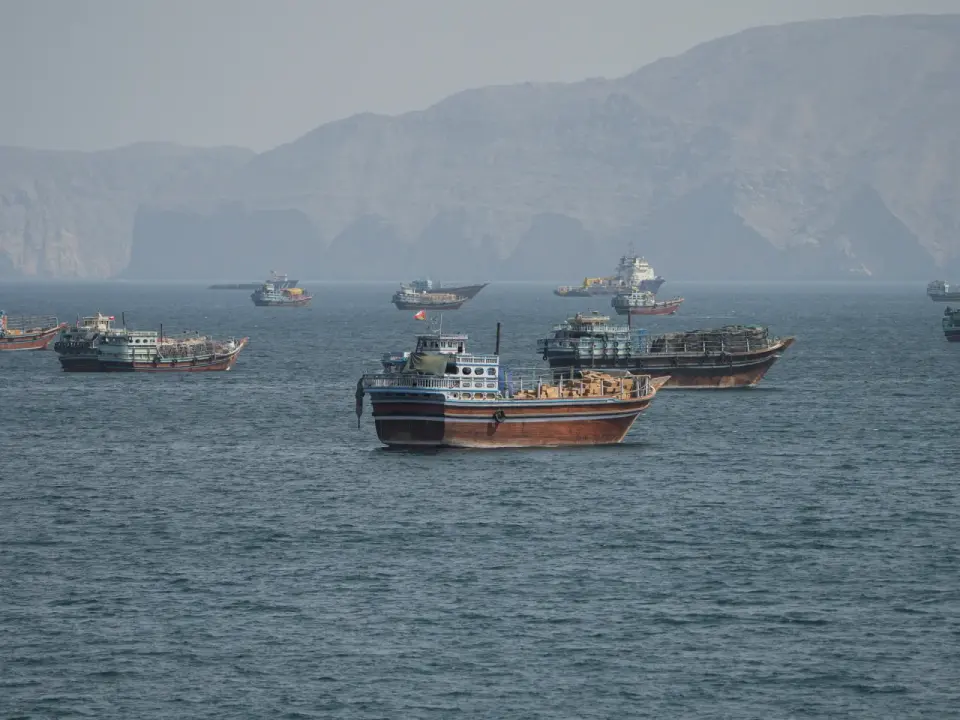
Iran has intensified attacks on shipping in the Strait of Hormuz, causing oil transit volumes to drop sharply from 20.8 million barrels on October 8 to just 2.9 million on October 11. Tehran claims this escalation is a security measure to pressure Washington ahead of US midterm elections, while the US military asserts it controls the waterway and has destroyed Iranian spotting vessels.
Key points
- Iran’s navy deployed new units east of the Strait of Hormuz and across the Sea of Oman to monitor maritime traffic and target vessels violating its restrictions.
- Maritime tracking firm Kpler reported 10 tanker strikes between September 28 and October 4, followed by 15 additional attacks recorded by UK Maritime Trade Operations between October 6 and October 14.
- Oil transit through the strait fell to 2.9 million barrels on October 11, a significant drop from 20.8 million barrels on October 8, despite pre-war averages of 17.1 million barrels.
- Brent crude futures rose to $106.58 per barrel on October 14, up from $105.69 the previous day, as risk premiums increased due to the surge in attacks.
- US Central Command stated that American forces and regional partners control the strait, rejecting Iranian claims of sovereignty, and confirmed the destruction of an Iranian dhow used for spotting targets.
Background
Previous coverage indicated that oil flows had recovered to nearly 90% of pre-war levels in September due to US Navy escorts and Saudi pipeline diversions. However, analysts noted that this stability was fragile, with high insurance rates and persistent attacks keeping global energy prices elevated despite the volume rebound.
How outlets are covering it
Al Jazeera emphasizes the strategic shift by Iran, noting that Tehran has changed its tactics to influence US midterm elections and that the strait’s fragility is evident in the recent spike in attacks. AP News reports on a specific incident where a ship sank after hitting a mine, highlighting the immediate physical danger to vessels. While Al Jazeera cites Iranian officials claiming control of the waterway, US military sources explicitly deny this, asserting that American forces manage the transit of over 19 million barrels daily. The outlets differ in focus: Al Jazeera analyzes the geopolitical leverage and diplomatic stalemate, while AP News provides granular details on specific maritime incidents and casualty reports.
Why it matters
The sharp decline in oil transit threatens global energy supply stability, potentially driving prices higher and exacerbating inflation. The escalation signals a breakdown in the fragile status quo, increasing the risk of direct military confrontation between US and Iranian forces in one of the world’s most critical energy chokepoints.
What to watch
Analysts expect continued pressure on the Trump administration to engage in negotiations or provide a path to stability, as US allies demand security for energy exports. Iran may further escalate attacks to maintain leverage, while the US military is likely to continue targeting Iranian surveillance and spotting vessels to protect commercial shipping lanes.
- Iran steps up Hormuz surveillance: Attacks soar, oil flows crash again Al Jazeera
- Iran shifting tactics to step up attacks on shipping before US vote, officials say Yahoo
- Container ship sinks near Hormuz after being hit by projectile, sources say Reuters
- Iran says a ship sank after striking a mine in Strait of Hormuz, and other Middle East developments AP News
- Iran Escalates Attacks on Ships, Threatening Oil Export Recovery Bloomberg.com
Want the full story? Read the original reporting
Read on Al Jazeera