
Iran offers two-day Hormuz reopening if US lifts sanctions and ends blockade
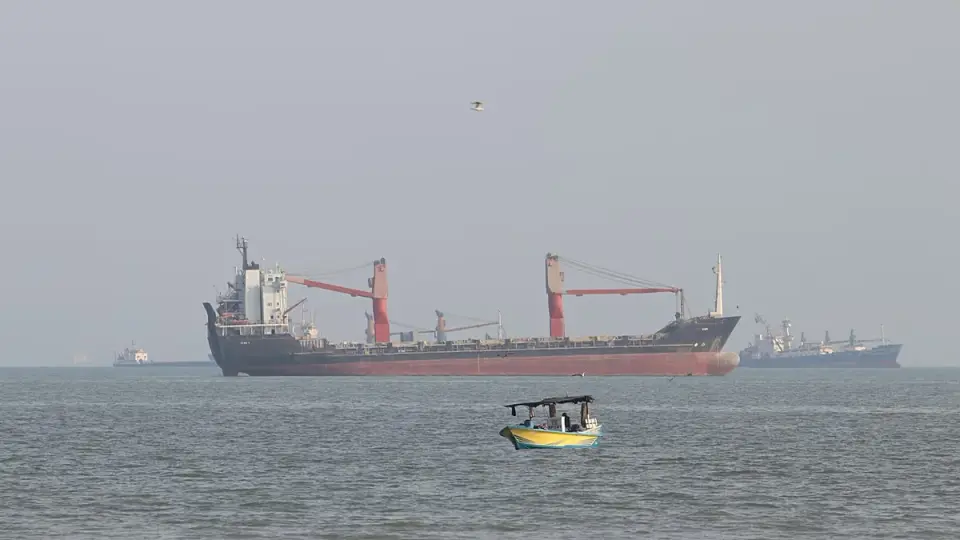
Iran has proposed reopening the Strait of Hormuz within two days, a significant acceleration from its previous seven-day offer, contingent on the United States meeting specific demands. These conditions include ending the naval blockade, lifting oil sanctions, unfreezing assets, and accepting a new transit route agreed with Oman. While diplomatic channels via Qatar and China are active, military tensions remain high, with US threats of strikes and Iranian warnings of a comprehensive response.
Key points
- Foreign Ministry spokesman Esmaeil Baghaei stated that reopening the strait in two days demonstrates Iran's good faith, provided Washington accepts its terms.
- Tehran's demands include ending the war on all fronts, unfreezing foreign assets, lifting oil sector sanctions, and ending the US naval blockade.
- Foreign Minister Abbas Araghchi added requirements for a new transit route with Oman, reduced US troop presence, and the removal of sanctions imposed since August.
- A Qatari delegation led by Ali Al Thawadi arrived in Tehran to continue indirect negotiations, while China dispatched envoy Zhai Jun to the region to mediate.
- US Vice President JD Vance indicated 'progress' in talks but stated no deadlines have been set before potential resumption of strikes.
- Trump warned of potential strikes on targets like Pickaxe mountain in central Iran, which Tehran denies houses nuclear infrastructure.
Background
This development follows a series of diplomatic efforts since September, when Iran first proposed a seven-day timeline to reopen the strait, an offer rejected by President Trump. In late September, oil prices dropped on hopes of a breakthrough, but tensions persisted due to the US naval blockade and Houthi attacks. The current two-day proposal represents a compressed timeline aimed at de-escalating the conflict that began in late February.
How outlets are covering it
Euronews and The New York Times emphasize the diplomatic momentum, highlighting the arrival of Qatari mediators in Tehran and the exchange of messages. Al Jazeera notes that while Iran is willing to negotiate, it remains determined not to surrender leverage, with analysts warning that the risk of further US attacks remains high. The outlets agree that the US insists on discussing the nuclear file first, while Iran refuses to allow enriched uranium to be removed from the country. There is a consensus that trust between the parties is severely damaged, with Iran citing broken promises from previous talks.
Why it matters
The Strait of Hormuz is a critical global energy chokepoint. A rapid reopening could stabilize oil prices, which have fluctuated significantly since the conflict began in February. However, the unresolved nuclear issue and ongoing military threats suggest that a lasting peace remains elusive, with potential for further escalation if diplomatic talks fail before the US midterm elections.
What to watch
Negotiations will continue through Qatari and Chinese mediators. The US midterm elections on Tuesday may influence Washington's stance, as economic pressures linked to the war impact political outcomes. Iran has warned that any military aggression will be met with a 'powerful, immediate and comprehensive response,' while the US has not set a deadline for a deal before potentially resuming strikes.
- Iran says it can reopen Hormuz in two days if US meets conditions Euronews.com
- Iran-US deal still out of reach despite diplomatic push, Iranian official says Reuters
- Qatar says it's still passing ideas between US and Iran, while Tehran reportedly expects return to war The Times of Israel
- Iran war updates: Tehran says ‘intensive’ US talks underway Al Jazeera
- Iran Says It Would Reopen Strait of Hormuz in 2 Days as Part of U.S. Deal The New York Times
Want the full story? Read the original reporting
Read on Euronews.com