
IRGC Chief Vows Nuclear Pursuit as Experts Warn Hormuz Talks Delay Nuclear Concessions
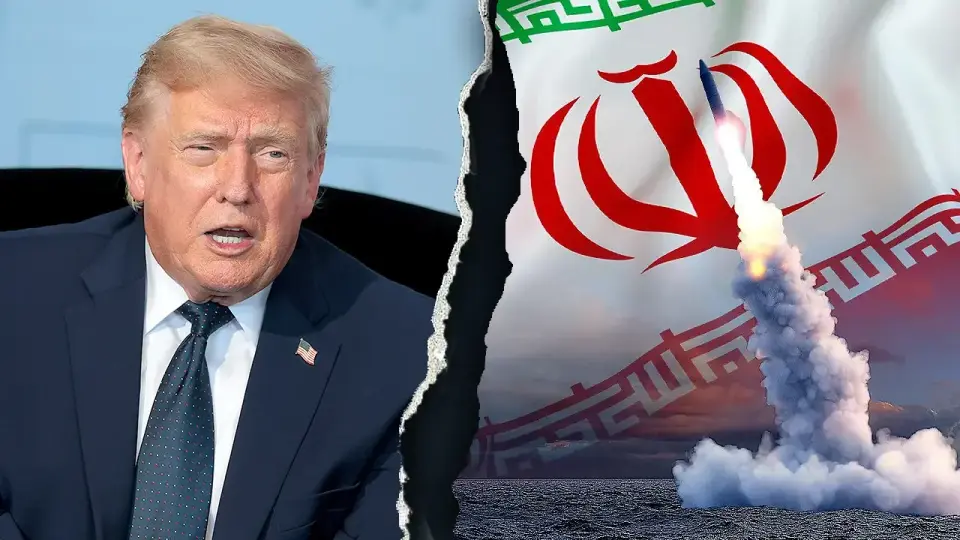
Iran’s IRGC commander Ahmad Vahidi declared that Tehran will continue pursuing nuclear weapons as long as the US and Israel possess them. While President Trump warned of military action if talks collapse, experts caution that focusing on the Strait of Hormuz allows Iran to delay addressing its nuclear capabilities.
Key points
- IRGC chief Ahmad Vahidi stated Iran will develop nuclear weapons until the US and Israel disarm, a stance Israeli PM Benjamin Netanyahu vowed to counter.
- Trump indicated military force remains an option if Iran abandons talks, though he described recent negotiations as 'very good' and suggested progress within 48 hours.
- Analysts warn that prioritizing the Strait of Hormuz over nuclear issues allows Iran to secure sanctions relief and maintain control of the waterway without dismantling its nuclear infrastructure.
- The Arms Control Association noted that Iran retains the knowledge and materials to build a bomb, even if physical sites are damaged, and urged the US to prioritize IAEA inspections.
- A proposed interim agreement with Oman may grant Iran control over ships entering the Persian Gulf, a move Washington opposes alongside mandatory transit fees.
Background
This development follows a June 2025 US strike on Iran’s Fordow nuclear site and a 14-point Memorandum of Understanding (MoU) signed in June 2026. Previous archive coverage noted IRGC-linked media advocating for nuclear deterrence despite pledges to the US, and ongoing tensions regarding the MoU’s ambiguous terms on navigation and nuclear restrictions.
How outlets are covering it
Fox News highlights the direct confrontation between Vahidi’s declaration and Netanyahu’s vow to prevent Iran from obtaining a weapon, emphasizing Trump’s threat of a 'hard hit' if talks fail. The Jerusalem Post argues that the focus on the Strait of Hormuz risks becoming a substitute for the nuclear issue, warning that Israel is sidelined in current diplomatic channels dominated by Oman and Qatar. ANI News frames Vahidi’s statement as a 'direct admission' of pursuing a bomb, while noting Trump’s claim that Iran has reached out for talks. Experts cited by Fox News, such as Andrea Stricker of the FDD, warn that sequencing talks to address Hormuz first leaves little leverage for nuclear concessions, whereas Kelsey Davenport of the Arms Control Association emphasizes the need for IAEA inspections to verify remaining capabilities.
Why it matters
The sequencing of negotiations risks allowing Iran to retain nuclear capabilities while securing economic relief and strategic control over the Strait of Hormuz. If the US prioritizes maritime access over nuclear dismantlement, it may fail to address the core proliferation threat, potentially leading to renewed instability and conflict in the region.
What to watch
Negotiators are expected to determine within 48 hours whether the interim agreement on the Strait of Hormuz will proceed. The US must decide whether to link sanctions relief and blockade removal to verifiable nuclear steps, while Israel seeks to ensure that any deal does not sideline the nuclear threat. The outcome will depend on whether Iran accepts IAEA inspections and dismantles its enriched uranium stockpile or continues to leverage maritime control to delay concessions.
- Nuclear experts urge Trump not to let Iran steer talks away from regime's atomic threat Fox News
- "Will continue working on them": Israeli media reports IRGC chief admission on Iran pursuing nuclear weapons ANI News
- The war over Hormuz must not replace the fight against a nuclear Iran - opinion The Jerusalem Post
- Bypassing the Strait of Hormuz and Neutering a Nuclear Iran The Jewish Press
- As the US and Iran trade blows over Hormuz, how long before the nuclear threat forces Israel to go back to war? thejc.com
Want the full story? Read the original reporting
Read on Fox News