
Iran’s Endurance Strategy: How Tehran Defies U.S. Economic Asphyxiation
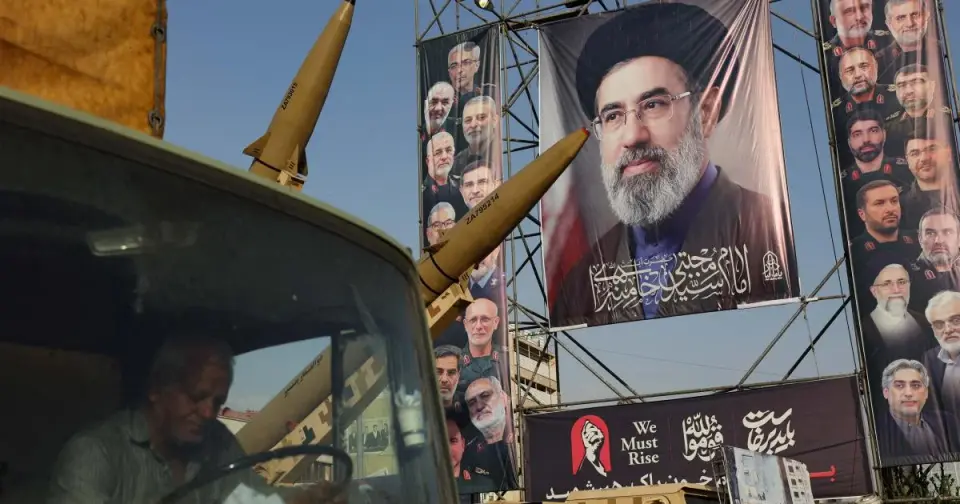
Iran is pursuing a strategy of endurance to force the U.S. to lift sanctions and withdraw from the Persian Gulf. Despite severe economic damage and a naval blockade, Tehran believes its military resilience and proxy networks can inflict enough pain on Washington to compel a diplomatic concession. U.S. officials are preparing for potential escalation, including ground options, as diplomatic talks stall.
Key points
- Iran’s leadership, including Supreme Leader Mojtaba Khamenei and hardliners like Mohsen Rezaei, rejects the idea that U.S. pressure will cause regime collapse, viewing it as a test of great-power status.
- The U.S. has intensified sanctions and maintained a naval blockade of Iran’s southern coast, with Treasury Secretary Scott Bessent declaring an intent to 'economically asphyxiate' the regime.
- Iranian public opinion has shifted toward nationalism due to U.S. and Israeli bombardment, reducing the likelihood of internal uprising despite economic hardship.
- Tehran is leveraging proxy forces, including the Houthis and Iraqi militias, to attack Gulf energy infrastructure and disrupt oil flows, aiming to raise global costs for the U.S.
- The U.S. is building up naval forces, including three carrier strike groups, and considering limited ground operations or strikes on Houthi targets if diplomacy fails before the November 3 midterms.
Background
This conflict follows months of U.S.-Israeli bombardment of Iran starting in June 2025, which included the assassination of former Supreme Leader Ali Khamenei. A fragile cease-fire was struck in June 2026 but has since unraveled. The current standoff occurs amid broader regional tensions, including U.S. withdrawal from Iraq and shifting alliances in the Gulf.
How outlets are covering it
Foreign Affairs emphasizes Iran’s internal cohesion and the failure of U.S. coercion to trigger regime change, noting that Iranians now view the U.S. as an existential threat. The Soufan Center highlights the military buildup and the risk of escalation, noting that both sides are preparing for renewed combat while pursuing diplomacy. Al Arabiya focuses on the strategic miscalculations of both sides, warning that U.S. tactical deals with Houthis may undermine strategic alliances with Saudi Arabia and Gulf states. Energy Intelligence points to the failure of U.S. naval operations to stabilize energy prices, suggesting that market pressures are pushing Washington toward military escalation.
Why it matters
The outcome of this standoff will determine the future balance of power in the Middle East. If Iran succeeds in forcing a U.S. concession, it will solidify its status as a regional great power and challenge American dominance in the Persian Gulf. Conversely, a U.S. military escalation could lead to a wider regional war, destabilizing energy markets and reshaping alliances across the Middle East.
What to watch
Watch for U.S. decisions on ground operations or strikes against Houthi targets before the November 3 midterms. Monitor Iran’s ability to sustain its blockade of the Strait of Hormuz and the impact of proxy attacks on Gulf energy infrastructure. Diplomatic efforts may resume if the U.S. returns to the June 2026 memorandum, but hardliners in Tehran are skeptical of Washington’s commitment.
- Iran’s Theory of Victory Foreign Affairs
- The Next Iran War Is This Iran War Foreign Policy
- U.S. and Iran Could Be Moving Toward Escalation The Soufan Center
- The American-Iranian arm wrestling: Who cries ‘uncle’ first? Al Arabiya English
- US-Iran Conflict Points to Further Escalation Energy Intelligence
Want the full story? Read the original reporting
Read on Foreign Affairs