
Ireland faces pressure to halt alumina exports to Russia as European leaders convene in Dublin
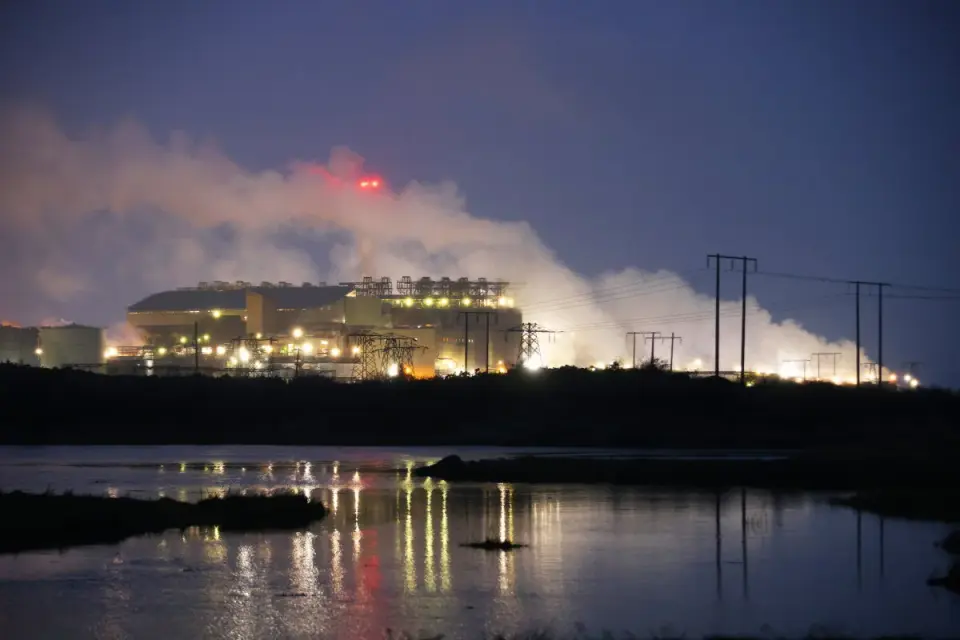
Ireland is under intense scrutiny for allowing its Russian-owned alumina refinery in Aughinish to ship vital materials to Russia. Critics argue this bypasses sanctions and indirectly supports Moscow's war effort, while the government maintains there is no evidence the materials reach military supply chains.
Key points
- The Aughinish refinery in County Limerick, owned by Russian oligarch Oleg Deripaska’s Rusal, is Europe’s largest alumina producer and ships directly to St. Petersburg.
- Alumina is a key ingredient in aluminum used for missiles, drones, and rocket fuel, making it a critical material for Russia’s defense industry.
- Despite EU sanctions, alumina exports to Russia have grown; approximately 491,307 metric tons were shipped from Ireland to Russia between March and October 2026.
- Irish government minister Niall Collins states there is 'no evidence' the materials end up in military supply chains, though the government has not published its investigation findings.
- The European Commission is currently consulting member states on potential sanctions, while the European Parliament passed a non-binding motion in July calling for an export ban.
Background
This issue arises as Europe seeks to tighten economic pressure on Russia following its full-scale invasion of Ukraine in 2022. Previous reports have highlighted how Russian aluminum production relies heavily on imported raw materials, with the loss of Australian and Ukrainian alumina supplies increasing the strategic importance of the Irish refinery. The current debate also intersects with broader European security discussions, including recent tensions over nuclear weapons policies in Eastern Europe and ongoing conflicts involving Iran that affect global shipping routes.
Why it matters
The alumina trade highlights a significant loophole in European sanctions enforcement. If the material is indeed reaching Russian defense contractors, it undermines the economic strategy to weaken Moscow’s war capacity. The case also tests the EU’s ability to balance national economic interests, such as protecting jobs in Ireland, against collective security goals. A decision on sanctions could set a precedent for how the bloc handles critical raw materials owned by sanctioned entities.
What to watch
The European Commission is expected to finalize its assessment of the Irish alumina exports, potentially leading to new sanctions packages. Irish opposition parties are pushing for temporary nationalization of the refinery or a ban on Russian exports, while the government continues to defend the plant’s economic value. The outcome will depend on unanimous agreement among the 27 EU member states, a process that may take months.
Want the full story? Read the original reporting
Read on AP News