
UK Settlement Sanctions Trigger Israeli Threats Over Falklands
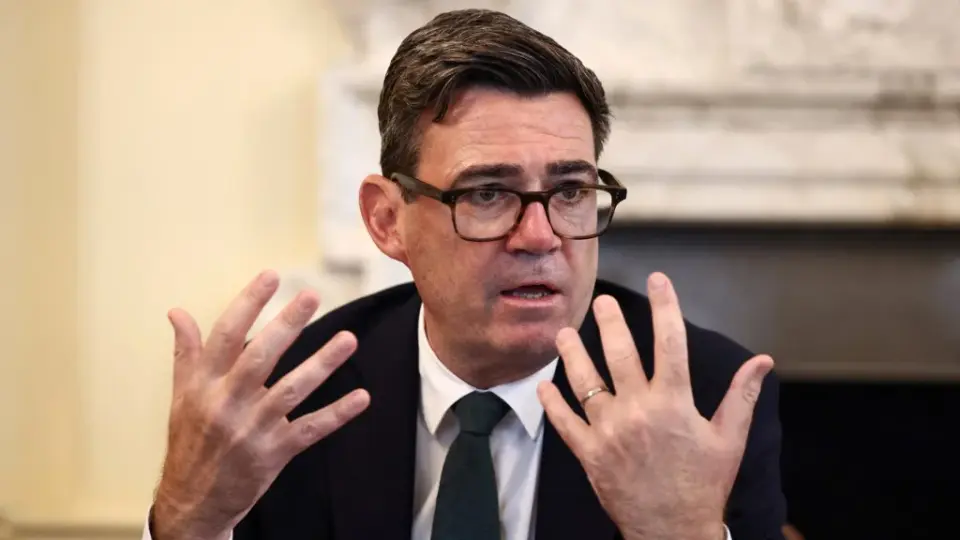
The UK government has announced a trade ban on goods from illegal Israeli settlements in the West Bank, marking a significant escalation in diplomatic tensions. In response, Israeli ministers have threatened retaliatory measures, including sanctions against the UK over the Falkland Islands dispute. While London frames the move as essential for preserving the two-state solution, Israeli officials characterize it as antisemitic interference, and the US has signaled it will not follow the UK’s lead.
Key points
- UK Foreign Secretary Ed Miliband announced a trade ban on goods from illegal West Bank settlements, alongside targeted sanctions against firms facilitating settlement expansion.
- The UK, France, and Canada issued a joint statement supporting the measures, with 11 other countries also considering similar restrictions.
- Israeli Finance Minister Bezalel Smotrich called for the expulsion of the British ambassador, while Security Minister Itamar Ben Gvir demanded Israel recognize Argentine sovereignty over the Falkland Islands as retaliation.
- Israeli Foreign Minister Gideon Saar warned that Israel would 'act against Britain' and ordered the closure of the British consulate in East Jerusalem.
- The ban is expected to take six to nine months to implement, with UK customs already differentiating settlement goods from other Israeli imports.
- US Secretary of State Marco Rubio stated that Washington would not follow the UK in imposing a trade ban on Israeli settlements.
Background
This development follows a period of deteriorating UK-Israel relations since the Labour Party returned to power in 2024. Previous administrations, including those of Keir Starmer and Rishi Sunak, faced criticism for not taking sufficient action against settlement expansion. The current move is part of a broader shift in British policy, including suspended arms-export licenses and stronger condemnation of settler violence. The Falklands dispute, which has been a long-standing issue between the UK and Argentina, has recently intensified with Argentine President Javier Milei threatening sanctions on oil firms operating near the islands. The US has also signaled a potential shift in its traditional support for the UK’s position on the Falklands.
How outlets are covering it
The UK government, led by Prime Minister Andy Burnham and Foreign Secretary Ed Miliband, frames the sanctions as a necessary step to uphold international law and preserve the two-state solution. They argue that the measures are targeted at the policies of the Israeli government, not the Israeli people. In contrast, Israeli officials, including Finance Minister Bezalel Smotrich and Security Minister Itamar Ben Gvir, view the sanctions as an act of antisemitism and a violation of sovereignty. They have responded with threats of retaliation, including sanctions against the UK over the Falkland Islands. The US, through Secretary of State Marco Rubio, has distanced itself from the UK’s approach, indicating that Washington will not impose similar trade bans. Critics within the UK, including the Conservative Party and some Jewish community leaders, have accused the government of 'gesture politics' and warned that the sanctions could embolden antisemitic attacks. Pro-Palestinian groups, however, have welcomed the move but called for more comprehensive action, including a full trade ban with Israel.
Why it matters
The UK’s decision to impose trade sanctions on illegal Israeli settlements represents a significant shift in British foreign policy and could have broader implications for international relations. The move may set a precedent for other countries to follow, potentially isolating Israel diplomatically. The Israeli response, including threats over the Falkland Islands, highlights the interconnectedness of global disputes and the potential for localized conflicts to escalate into broader geopolitical tensions. The US’s refusal to follow the UK’s lead underscores the complexity of international alliances and the challenges of coordinating policy in a polarized world. This episode also raises questions about the effectiveness of trade sanctions as a tool for influencing state behavior and the potential for unintended consequences, such as increased antisemitic attacks or further diplomatic isolation.
What to watch
The UK government is expected to provide more details on the implementation of the trade ban in the coming weeks. The ban is anticipated to take six to nine months to come into force. Israel is likely to continue its retaliatory measures, including the closure of the British consulate in East Jerusalem and entry bans on UK MPs. The US and other international actors will likely monitor the situation closely, with potential implications for their own policies on Israel and the West Bank. The UK government may face further pressure from both pro-Palestinian and pro-Israel groups, as well as from the US, to adjust its approach. The situation could also influence the upcoming Israeli elections, with some analysts suggesting that the sanctions may not significantly impact voter behavior due to domestic focus.
- Israeli ministers call for sanctions on Britain over Falkland Islands middleeasteye.net
- UK expected to announce sanctions on Israeli settlements in occupied West Bank BBC
- UK-US trade could suffer as a result of sanctions for illegal Israeli settlements, American ambassador warns – UK politics live The Guardian
- Britain Set to Target Israeli West Bank Settlements With Trade Ban The New York Times
- ‘Rhetoric differs’: How the UK’s relationship with Israel took a downturn Al Jazeera
Want the full story? Read the original reporting
Read on middleeasteye.net