
Ukraine Shifts to Striking Russian Kinzhal Launch Sites Amid Interceptor Shortage
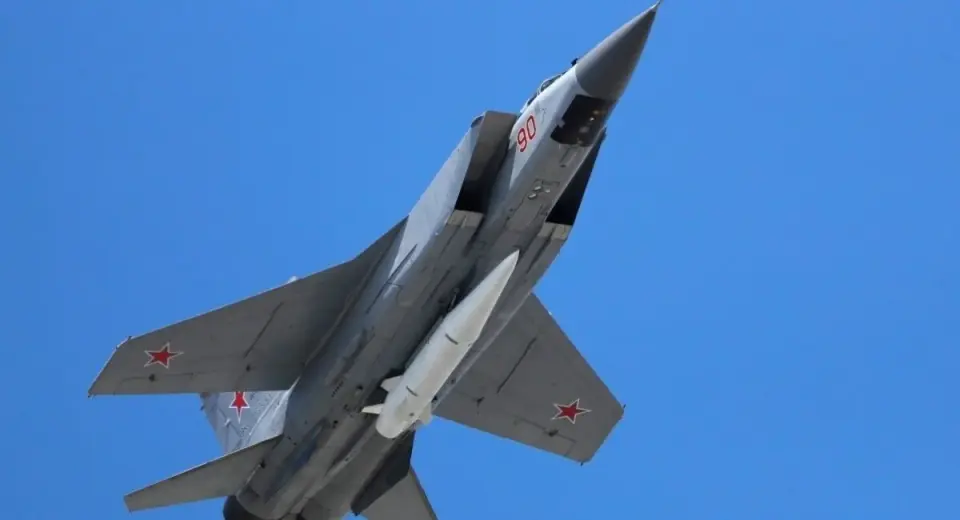
Ukraine is systematically targeting Russian airbases that host Kinzhal missile launchers to mitigate a critical shortage of air defense interceptors. Simultaneously, Kyiv is accelerating the development of domestic ballistic missiles, with Fire Point aiming to deploy the FP-9, capable of reaching Moscow, by late 2026.
Key points
- ISW analysts report that Ukrainian forces are prioritizing strikes against Russian ballistic missile launch infrastructure, specifically targeting the Savasleyka airbase in Nizhny Novgorod Oblast, which houses MiG-31K jets equipped with Kinzhal missiles.
- The Institute for the Study of War notes this tactical shift is driven by Ukraine's ongoing shortage of anti-ballistic missile interceptors, forcing Kyiv to neutralize threats at their source rather than relying solely on defensive systems.
- Former Ukrainian Defense Minister Mykhailo Fedorov estimates that Ukraine will be capable of striking Russia with domestically produced ballistic missiles within three to six months, a timeline supported by Fire Point CEO Iryna Terekh.
- Fire Point is developing the FP-9 ballistic missile, which has a range of up to 855 kilometers and an 800-kilogram warhead, placing Moscow within striking distance; the company aims to have this weapon ready by the end of 2026.
- Ukraine is also integrating the shorter-range FP-7 missile into the 'Freyja' system, Europe's first common anti-ballistic defense framework, while seeking licensing agreements with the US to produce Patriot PAC-3 interceptors.
Background
This strategic pivot follows a period of intense Russian missile and drone campaigns against Ukrainian infrastructure, including strikes on steel plants in Kryvyi Rih and book markets in Kyiv. Previous archive data indicates that while Russian offensive gains in sectors like Oleksandrivka have been overstated, Kyiv has maintained momentum through drone warfare and long-range strikes on Russian logistics and oil facilities.
How outlets are covering it
While Defense Express and ISW emphasize the defensive necessity of striking Russian launch sites due to interceptor shortages, The Guardian and CBS News highlight the offensive potential of Ukraine's new domestic missile capabilities, noting that ballistic missiles are harder for Russia to intercept than drones. Politico provides technical details on Fire Point's FP-7 and FP-9 programs, contrasting the rapid development timeline with the complex diplomatic hurdles of securing US licensing for Patriot components. All sources agree that the conflict is entering a new technological phase where Ukraine seeks to match Russian ballistic capabilities to protect its own population and infrastructure.
Why it matters
The development of domestic ballistic missiles and the targeting of Russian launch infrastructure could significantly alter the balance of power, potentially reducing the effectiveness of Russian deep strikes and forcing Moscow to divert resources to defend its own territory. This shift also highlights the growing reliance on European and Ukrainian defense innovation to compensate for the lack of US interceptor supplies.
What to watch
Analysts expect the first operational use of the FP-9 ballistic missile by late 2026, contingent on successful testing and international cooperation. Ukraine will likely continue to target Russian missile launch sites and fuel production facilities to degrade Russia's ability to sustain large-scale attacks, while negotiations for US licensing on Patriot components may face delays due to US domestic stockpile concerns.
- ISW Assesses Ukraine's New Strategy of Striking russian Aircraft Carrying Kinzhal Missiles Defense Express
- Ukraine war briefing: Kyiv could hit Russia with domestic ballistic missiles in months, former defence minister says The Guardian
- Ukraine could strike Russia with domestic ballistic missiles in 3 to 6 months, says Ukraine's former defense minister CBS News
- Ukraine’s new ballistic missile puts Putin within reach politico.eu
- Ukrainian ballistic technology to be showcased at defense exhibition in Denmark Українські Національні Новини (УНН)
Want the full story? Read the original reporting
Read on Defense Express