
Kallas warns of Russian hybrid escalation as EU fractures over sanctions
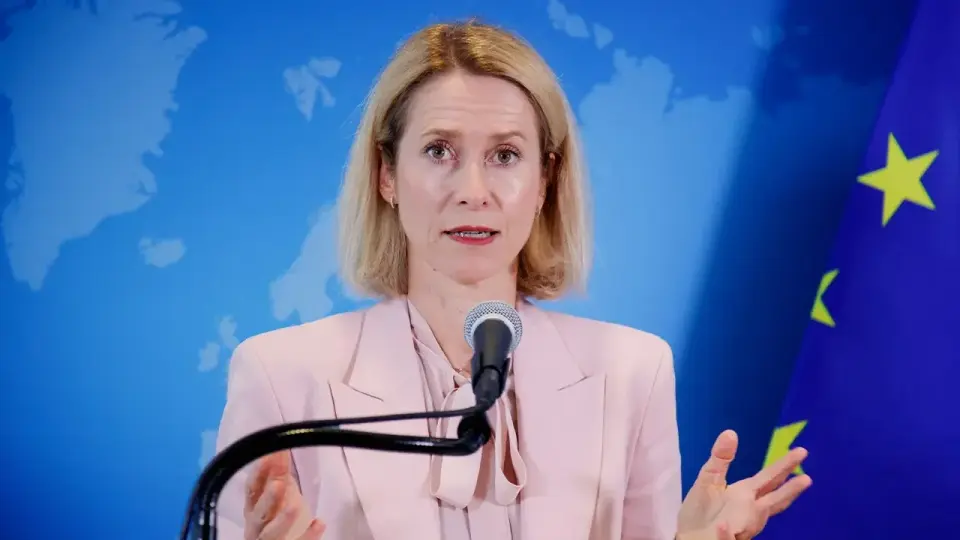
EU foreign policy chief Kaja Kallas warned that Russia is intensifying hybrid attacks to intimidate Europe into withdrawing support for Ukraine. While Kallas advocates for unified deterrence, internal EU divisions emerged as France and Luxembourg forced the delisting of two Russian oligarchs, angering Kyiv and other member states.
Key points
- Kallas stated that Moscow’s sabotage campaigns, including drone incursions and subsea cable targeting, are designed to weaken Western resolve rather than signal a conventional invasion.
- The EU reached a controversial compromise to remove billionaires Alisher Usmanov and Mikhail Fridman from its sanctions list, a move Ukraine’s foreign minister called 'shameful.'
- To offset the delistings, the EU agreed to extend sanctions on nearly 3,000 other entities for 36 months, a longer duration than the usual six-month review cycle.
- Kallas argued that coordinated pressure from the US, UK, and Europe is necessary to force Russia to the negotiating table, noting that Kyiv has already agreed to an unconditional ceasefire.
- Estonian officials maintain that intelligence does not show signs of a full-scale Russian invasion of NATO, despite Kallas’s warnings about growing hybrid threats.
Background
This tension follows recent EU efforts to bolster support for Ukraine, including the mobilization of frozen Russian assets and the rejection of Hungarian legal challenges to aid packages. Kallas recently scrapped a high-level defense think-tank due to internal friction, highlighting ongoing challenges in coordinating a unified European defense strategy amidst the ongoing war in Ukraine.
How outlets are covering it
Fox News emphasized Kallas’s personal history under Soviet rule to underscore her stance against Moscow, framing her warnings as a direct response to intimidation. USA Today provided a broader analysis of hybrid warfare, citing specific incidents like the Leipzig drone attack and contrasting Kallas’s aggressive stance with Estonian Foreign Minister Margus Tsahkna’s view that no conventional invasion is imminent. The Guardian focused on the internal EU political fracture, detailing how France and Luxembourg’s demands to delist oligarchs for national security reasons created a 'difficult compromise' that angered Ukraine and other member states, highlighting the tension between national interests and collective sanctions.
Why it matters
The divergence in EU strategy risks undermining the collective deterrence posture Kallas advocates. If member states prioritize national interests over unified sanctions, it may embolden Russia to continue hybrid attacks, potentially escalating the conflict into NATO territory or weakening support for Ukraine at a critical juncture in the war.
What to watch
The EU plans to present approximately 1,600 new sanctions designations targeting Russia’s military-industrial complex to foreign ministers next month. Meanwhile, Kallas will continue pushing for coordinated transatlantic pressure, while member states navigate the political fallout from the recent sanctions compromise and upcoming Latvian elections.
- She grew up under Soviet rule. Now EU's top diplomat warns Europe against giving Russia what it wants Fox News
- Russia Tycoons Examine How Billionaires Shook Off EU Sanctions Bloomberg.com
- US, Europe worry Russia is testing NATO with hybrid attacks and sabotage USA Today
- France forces the EU to lift sanctions on a Russian oligarch The Economist
- EU removes two oligarchs from Russia sanctions list as deadline looms The Guardian
Want the full story? Read the original reporting
Read on Fox News