
Lukashenko Orders Full Army Readiness Checks, Including Mobilization
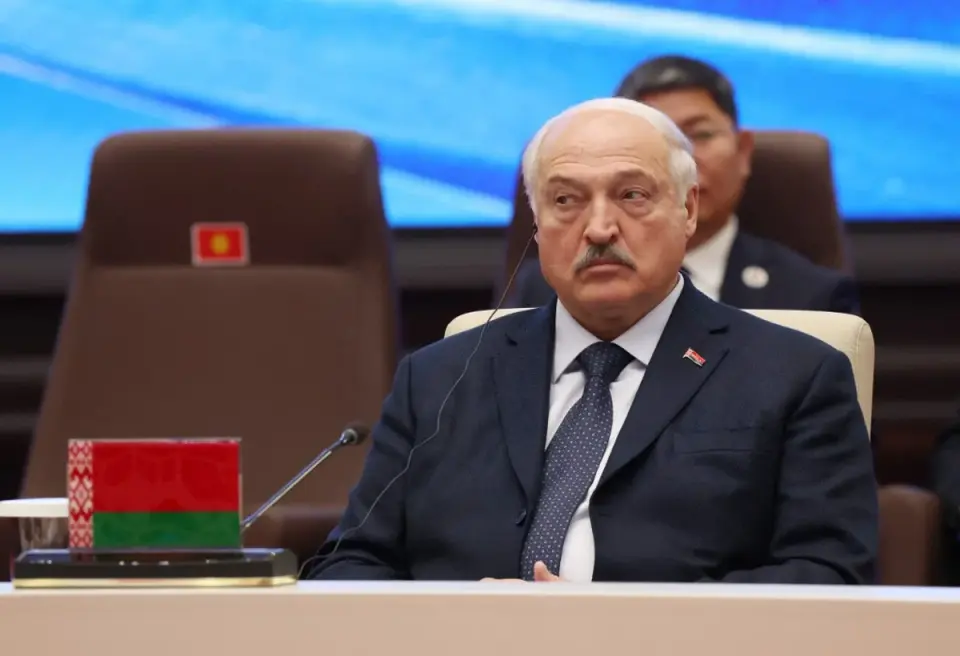
On September 11, 2026, Belarusian President Alexander Lukashenko announced comprehensive readiness inspections for the entire armed forces, explicitly stating that these checks could extend to mobilization. Speaking at the Obuz-Lesnovsky training ground near Baranavichy, Lukashenko emphasized that the military must be 'shaken up' to prepare for potential conflict, though he denied any intention to attack neighboring countries. He argued that an offensive war would be 'tantamount to death' for Belarus due to the superior military power of its neighbors. While Lukashenko framed the drills as defensive measures to ensure stability, he simultaneously accused neighboring states of 'brazenly' spending billions on weapons and conducting intelligence activities against Minsk. Defense Minister Viktor Khrenin confirmed that new command-and-control systems are operational, allowing the military to manage forces and civilian sectors during a conflict. Lukashenko also noted that his son, Nikolai, is serving as a lieutenant in a high-intensity unit, a detail reported by Meduza. These statements come amid ongoing tensions with NATO members and continued Russian military support for the war in Ukraine.
Key points
- Lukashenko ordered inspections of the entire army, including potential mobilization, at the Obuz-Lesnovsky training ground.
- He denied plans to attack neighbors, stating such an action would be 'tantamount to death' for Belarus.
- Defense Minister Khrenin confirmed new command systems can manage military and civilian sectors during war.
- Lukashenko accused neighbors of 'brazenly' spending billions on weapons and conducting intelligence operations.
- Meduza reported that Lukashenko’s son, Nikolai, is serving as a lieutenant in a tough unit.
Background
Belarus has been a key ally to Russia in the war against Ukraine since 2022, allowing Moscow to use its territory for the initial invasion. The country borders NATO members Poland, Lithuania, and Latvia, leading to frequent security concerns along the alliance’s eastern flank. In April 2026, Ukrainian President Volodymyr Zelensky warned of increased military activity in Belarus and potential Russian attempts to draw Minsk into the war. By June 2026, Zelensky noted that Belarus was nearing completion of infrastructure for storing ammunition and fuel along the border. Lukashenko has previously held security talks with Russian President Vladimir Putin, and Minsk has continued to host Russian troops and weapons despite not formally deploying its own forces to fight in Ukraine.
How outlets are covering it
Kyiv Post and Ukrainska Pravda focused on Lukashenko’s explicit mention of mobilization and his denial of offensive intent, framing the inspections as a defensive necessity. Meduza highlighted the personal detail of Lukashenko’s son serving in the military, adding a human element to the state’s mobilization rhetoric. Reform.news emphasized Lukashenko’s accusations against neighbors, noting his claim that they are 'brazenly' spending billions on weapons and conducting intelligence activities. All sources agreed that Lukashenko framed the military preparations as a means to avoid war, but differed in emphasis: Kyiv Post and Pravda focused on the mobilization aspect, while Reform.news highlighted the geopolitical accusations against neighboring states. Meduza provided the unique detail about Lukashenko’s son, which was not mentioned in the other reports.
Why it matters
Lukashenko’s announcement of full army readiness checks, including potential mobilization, signals a significant escalation in Belarus’s military posture. This move could indicate a shift from passive support of Russia to active preparation for conflict, potentially drawing Belarus into the war in Ukraine. The emphasis on new command-and-control systems suggests Minsk is enhancing its ability to sustain a prolonged conflict. Lukashenko’s accusations against neighbors and his denial of offensive intent may be an attempt to justify defensive preparations while maintaining diplomatic cover. The involvement of his son in the military adds a personal dimension to the state’s mobilization efforts, potentially signaling a deeper commitment to the military’s readiness. These developments could increase tensions along NATO’s eastern flank and influence the broader geopolitical landscape in Europe.
What to watch
The next steps will likely involve the implementation of the announced readiness inspections, potentially including the mobilization of reservists. Lukashenko’s government may continue to accuse neighboring countries of aggressive military activities, using these claims to justify further military preparations. There could be increased diplomatic pressure from NATO and the EU on Belarus to de-escalate tensions. The operational status of the new command-and-control systems will be a key indicator of Belarus’s readiness for conflict. Lukashenko may also use these inspections to demonstrate Belarus’s military capabilities to Russia, reinforcing the alliance. The situation could lead to further military exercises or provocations along the borders, potentially escalating the conflict in the region.
- Lukashenko Floats Mobilization, Says Attacking Neighbors Would Be ‘Tantamount to Death’ Kyiv Post
- Belarusian leader Lukashenko decides to inspect his army again: Time has come to shake it up, including mobil pravda.com.ua
- ‘Up to mobilization’: Belarusian President Lukashenko says it’s time to ‘shake up’ Belarus’s army Meduza
- “Brazenly.” Lukashenka Accuses Neighboring Countries Of Spending Billions On Weapons reform.news
- President of Belarus to Inspect Communications Systems in Armed Forces News.by
Want the full story? Read the original reporting
Read on Kyiv Post