
Mecca Pact Leaders Meet Tehran to De-escalate Houthi Threats and Prevent US Strikes
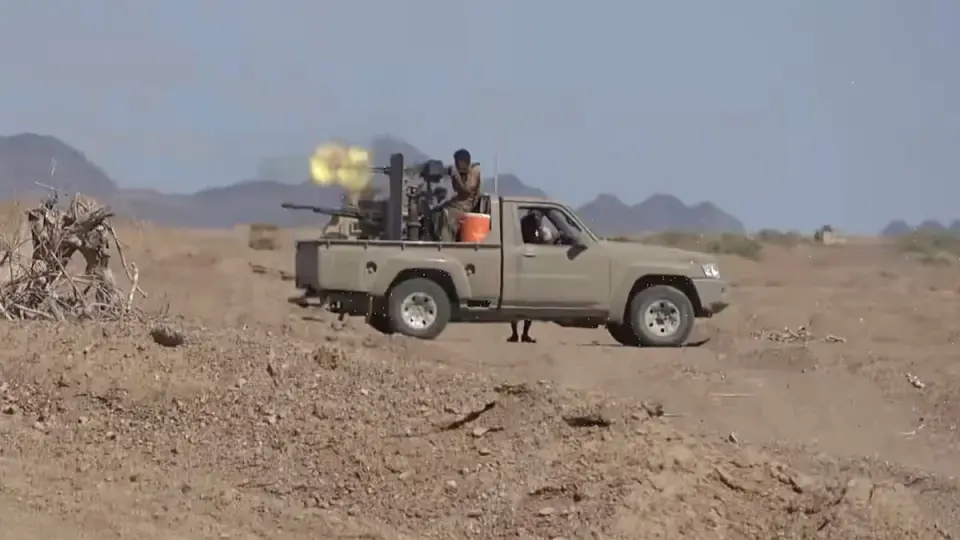
Senior officials from Saudi Arabia, Pakistan, and Turkey met with Iranian leaders in Tehran on October 26 to discuss regional security and de-escalation. The talks, held amid fears of renewed US-Israeli strikes on Iran, represent the first high-level contact between Riyadh and Tehran since Houthi attacks escalated. Participants agreed to continue dialogue and explore cooperative security mechanisms, though significant structural differences remain between the Mecca Defence Alliance and Iran's vision for regional autonomy.
Key points
- Saudi Defence Minister Prince Khalid bin Salman, Pakistani army chief Asim Munir, and Turkish intelligence chief Ibrahim Kalin met with Iranian President Masoud Pezeshkian and National Security Council head Mohsen Rezaei in Tehran.
- The meeting aims to prevent a return to military escalation, particularly regarding Houthi attacks on Saudi infrastructure and potential US strikes on Iran following the midterm elections.
- Iran and the Mecca pact states agreed to continue dialogue and bolster cooperation, with Iranian officials suggesting the possibility of Iran joining a broader regional security arrangement.
- Oil prices fell slightly on Monday as the talks reduced immediate fears of supply disruptions, though geopolitical uncertainty remains high with a risk premium of approximately $20 per barrel.
- Turkey has ruled out sending troops for offensive operations in Yemen, focusing instead on air defense and technical assistance, while Saudi Arabia seeks to contain Houthi threats without triggering wider conflict.
Background
The Mecca Joint Defence Agreement was signed in August 2026, uniting Saudi Arabia, Pakistan, and Turkey in a collective defense pact. The alliance faced its first major test in October when Houthi rebels escalated missile and drone attacks on Saudi Arabia, leading to an emergency meeting in Riyadh on October 5. Previous tensions arose in September when Iran criticized Pakistan for shifting from a neutral mediator to a military ally of Saudi Arabia. The current talks follow a period of instability where Iran and its proxies struck Saudi oil facilities and civilian infrastructure.
How outlets are covering it
Euronews emphasizes the strategic shift of the Mecca alliance toward direct engagement with Tehran, highlighting the contrast between the collective defense pact and Iran's call for 'endogenous security.' Al Jazeera focuses on the diplomatic breakthrough, noting that Iran and the Mecca states agreed to seek peace, while also highlighting Omani warnings that Gulf security must include Iran. CNN frames the meeting as a last-minute attempt to prevent war, noting that while the talks are significant, they may not yield substantive breakthroughs without credible guarantees against US strikes. CNBC highlights the market impact, noting that oil prices fell as the talks reduced immediate fears of supply disruptions, though analysts warn that refining capacity issues could persist into 2027.
Why it matters
The Tehran talks signal a potential shift in Middle Eastern security dynamics, as the Mecca alliance pursues both military deterrence and diplomatic engagement with Iran. This dual approach could influence the trajectory of US-Iran tensions and Houthi attacks, potentially preventing a wider regional conflict. However, the success of these talks depends on whether the Mecca states can provide credible guarantees to Iran and manage their own divergent interests, particularly regarding US alliances and offensive military operations.
What to watch
The Mecca pact states and Iran have agreed to continue dialogue, with further discussions expected on regional security mechanisms. The outcome of the US midterm elections may influence whether President Trump orders new strikes on Iran. Oil markets will continue to monitor Houthi attacks and Saudi energy infrastructure for signs of disruption. Turkey and Pakistan are expected to finalize their roles in the collective defense framework, with Turkey focusing on air defense and Pakistan managing its diplomatic balance between Saudi Arabia and Iran.
- From the Mecca defence pact to Tehran talks: Is the Middle East’s security landscape shifting? Euronews.com
- Iran war live: Tehran says agreed with Mecca pact states to seek peace Al Jazeera
- Flurry of Diplomacy in Iran as Regional Countries Try to Stave Off War The New York Times
- Iran hosts Saudi Arabia and regional powers as fears grow of return to war CNN
- Oil ticks lower as Saudi defense minister meets with Iran's president in Tehran to de-escalate CNBC
Want the full story? Read the original reporting
Read on Euronews.com