
Iran Links Strait of Hormuz Reopening to Regional Ceasefires as US Rejects June Deal
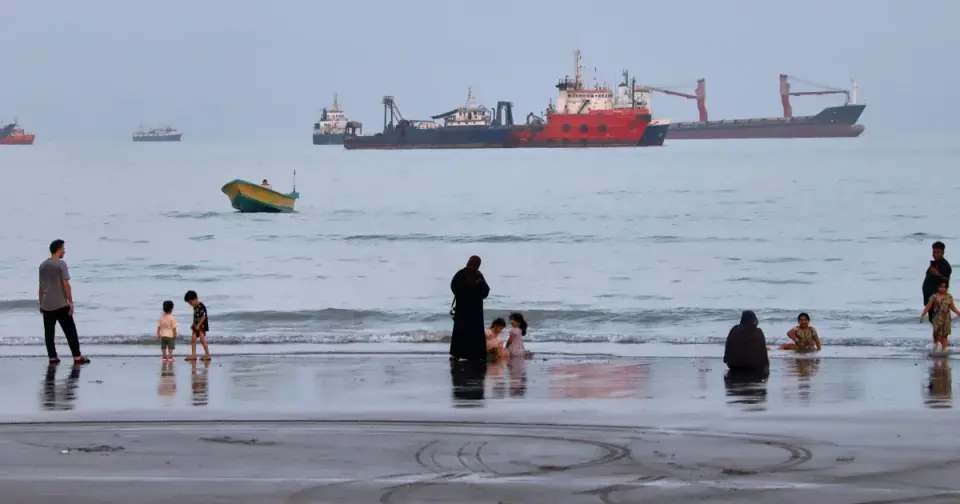
Iranian officials have agreed to draft conditions for reopening the Strait of Hormuz, linking the move to the end of conflicts in Gaza, Lebanon, and Syria. While Qatar and Oman mediate a temporary shipping corridor, the US has rejected returning to the June ceasefire framework, opting instead for an intensified economic pressure campaign. Traffic through the strait remains significantly below pre-war levels despite US claims of cleared mines.
Key points
- Qatari Prime Minister Sheikh Mohammed bin Abdulrahman Al Thani met with Iranian leaders in Tehran to urge respect for freedom of navigation, while Iran’s Foreign Minister Abbas Araghchi called the talks 'creative' but demanded an end to US pressure.
- Mohsen Rezaei, secretary of Iran’s Supreme National Security Council, stated that reopening the strait requires the end of wars in Gaza, Lebanon, and Syria, as well as Israeli withdrawal from Lebanon.
- The US administration, led by President Donald Trump, has rejected the June memorandum of understanding, preferring an 'economic D-Day' strategy involving new sanctions to pressure Iran.
- US Central Command Admiral Brad Cooper claims US forces have cleared sea mines and facilitated 1,500 vessel transits, but shipping data shows only 5-7 vessels crossed the strait recently, far below the pre-war average of 130.
- Iran and Oman have agreed on a temporary joint shipping route, with Iran proposing a central channel contingent on US compliance with its conditions, which previously included lifting blockades and compensation.
Background
This development follows six months of conflict initiated by the US and Israel in February 2026. Previous mediation efforts by Qatar, Pakistan, and Oman in July and August failed to sustain a ceasefire, leading to a collapse of the June memorandum of understanding. The current diplomatic push marks a shift from direct US-Iran talks to third-party mediation, as Washington pivots from military action to economic coercion while Iran leverages the strait's closure for bargaining power.
How outlets are covering it
NBC News emphasizes the diplomatic breakthrough of Iran agreeing to draft conditions and Qatar's active role in pressing for open navigation, highlighting the 'creative' nature of the talks. In contrast, CNBC focuses on the irreconcilable gap between Iran's broad regional demands and the US refusal to return to the June deal, noting that Trump is betting on economic pressure rather than diplomacy. While NBC reports on the temporary corridor and mine-clearing as positive steps, CNBC underscores the stark reality that traffic remains at 5-15% of normal volumes, suggesting the diplomatic progress is limited by the US's hardline stance.
Why it matters
The Strait of Hormuz handles 20% of global oil supplies, making its status critical for global energy markets. A prolonged closure or reduced traffic drives up oil prices and disrupts supply chains. The current stalemate, where Iran links maritime access to regional peace and the US prioritizes economic sanctions, risks prolonging instability in the Gulf and affecting global inflation and energy security.
What to watch
Watch for Iran's formal list of conditions for reopening the strait and whether the US will engage with these demands or continue its economic pressure campaign. Monitor shipping data for any sustained increase in vessel transits through the temporary corridor, and observe if Gulf energy exporters accelerate infrastructure projects to bypass the strait. The outcome of these negotiations will determine whether the region moves toward a durable ceasefire or further escalation.
- Iran war mediators focus on reopening Strait of Hormuz NBC News
- Iran calls for global pushback against U.S. sanctions, says diplomacy 'isn't impossible' CNBC
- Iran urges other nations not to join new US sanctions, mediators focus on reopening strait Reuters
- Qatari Prime Minister Travels to Tehran as Iran War Nears Six-Month Mark The New York Times
- 6 months into Iran war, Tehran says diplomacy possible if US backs off pressure NewsNation
Want the full story? Read the original reporting
Read on NBC News