
US Silence on UK Settlement Sanctions Signals Growing Friction with Netanyahu
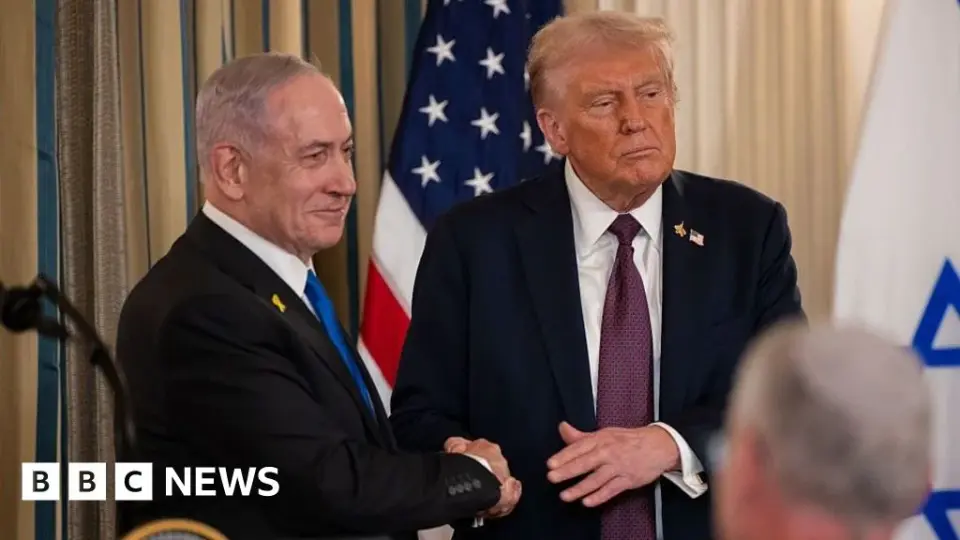
The UK has imposed sweeping sanctions on Israeli West Bank settlements, triggering a severe diplomatic crisis with Israel. While Israel retaliated by closing the UK consulate and banning MPs, the US administration remained notably quiet, reflecting internal frustration with Israeli leadership rather than support for the UK's specific measures. The move, joined by 11 other nations, marks a significant shift in Western policy regarding the two-state solution.
Key points
- The UK government, led by Prime Minister Andy Burnham and Foreign Secretary Ed Miliband, announced sanctions targeting trade with Israeli settlements, arms exports, and individuals promoting settler violence.
- Israel responded by closing the UK consulate in East Jerusalem, expelling British military staff from a Gaza coordination base, and banning 12 British MPs, including Jeremy Corbyn, from entering the country.
- Eleven other nations, including France, Canada, and Spain, joined the UK in announcing similar trade restrictions, signaling a broad Western consensus against settlement expansion.
- US Secretary of State Marco Rubio declined to condemn the UK move, stating Washington shared the goal of stability but would not replicate the specific sanctions. President Trump indicated he would discuss the situation with Israel but did not publicly rebuke London.
- The UK declared the entire Israeli occupation of the West Bank unlawful, a historic shift in British foreign policy, while Israel accused the UK of 'ethnic cleansing' rhetoric and systematic opposition to the state of Israel.
Background
This escalation follows months of rising settler violence in the West Bank, including the seizure of homes in villages like Qusra in August 2026. Previous UK discussions in September 2026 had already debated the impact of sanctions on British Jewish communities, with Miliband rejecting claims that such measures endangered Jews in the UK. The current move represents a culmination of that debate, transitioning from diplomatic debate to concrete legislative action.
How outlets are covering it
BBC and Axios emphasize the muted US response as a sign of 'simmering frustration' within the Trump administration regarding Netanyahu’s actions, particularly in the context of stalled peace efforts in Gaza and tensions in the Strait of Hormuz. The Guardian highlights the moral and legal framing of the UK's move, focusing on Miliband’s declaration that the occupation is unlawful and his personal stance as a Jewish supporter of Israel who opposes government conduct. While BBC and Axios note that US Ambassador Mike Huckabee initially warned of retaliation, the White House distanced itself from his comments, suggesting a lack of coordination. The sources agree that the US did not push back against the UK during prior briefings, but differ on the interpretation: BBC views it as a strategic calculation to avoid 'juice that is not worth the squeeze,' while Axios frames it as a signal of shared concerns about West Bank instability despite disagreement on the specific sanctions.
Why it matters
The US failure to defend Israel against a coordinated Western sanctions effort marks a potential shift in the traditional US diplomatic shield for Israel. This could embolden other nations to take similar actions, further isolating Israel diplomatically. For the Trump administration, the decision to remain silent reflects a prioritization of broader strategic goals, such as the Gaza peace plan and Iran negotiations, over immediate friction with European allies. The crisis also highlights the deepening rift between the US and UK on Middle East policy, potentially affecting transatlantic cooperation on other security issues.
What to watch
The UK expects the sanctions legislation to be fully enforced within nine months, though legal challenges may cause delays. Israel is likely to continue its retaliatory measures, potentially affecting other European nations that have joined the sanctions. The US may issue further statements as it navigates its relationship with both Israel and its European allies, particularly if the West Bank situation escalates. The outcome of the upcoming Israeli election, which Trump has not endorsed, may also influence the trajectory of this diplomatic standoff.
- Muted US response to UK's West Bank sanctions may reflect simmering frustration BBC
- Why Israel Reacted With Fury to U.K. Sanctions on West Bank Settlements The New York Times
- UK accuses Israeli ‘terrorists’ of ethnic cleansing in West Bank with government backing The Guardian
- Britain must 'stand against injustice' over West Bank settlements, PM Burnham says Reuters
- Trump didn't oppose UK sanctions on Israeli settlements Axios
Want the full story? Read the original reporting
Read on BBC