
NATO Commander Warns Russia Against Attack as Europe Debates Hybrid War Response
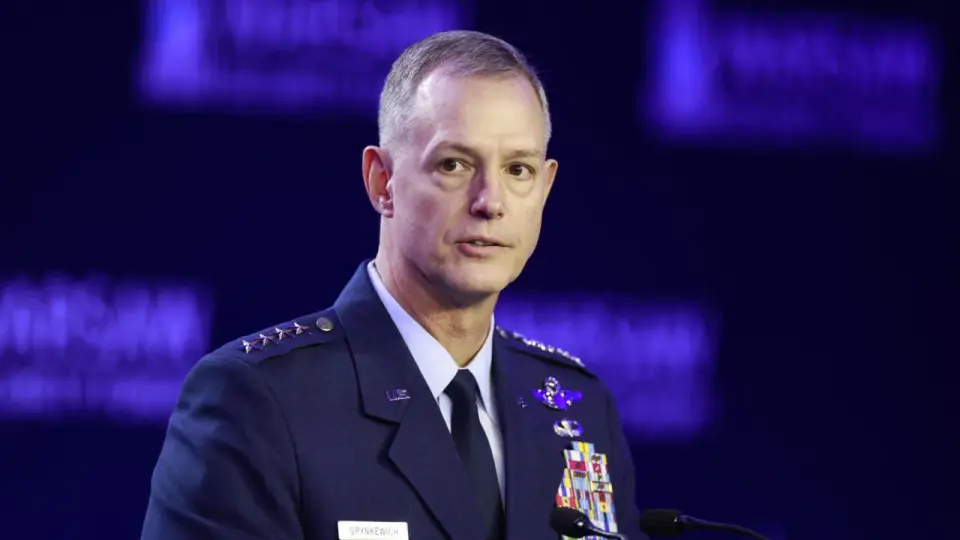
NATO’s top military commander, General Alexus Grynkewich, warned at a Warsaw security conference that any Russian attack on alliance territory would be 'utterly futile,' outlining a strategy to block and break such assaults. Simultaneously, European leaders are intensifying pressure on Moscow over its escalating 'hybrid' campaign, which includes sabotage, cyberattacks, and airspace violations. While Germany and Poland push for stricter visa and diplomatic restrictions, the Kremlin continues to strike Ukrainian energy infrastructure despite a US-brokered 'energy ceasefire' that Kyiv claims to have learned of only through media reports.
Key points
- General Alexus Grynkewich stated NATO would ensure any Russian attack proves 'utterly futile' by blocking, blunting, and breaking enemy forces, while noting the alliance is not seeking to impose a strategic defeat on Russia.
- Polish Foreign Minister Radosław Sikorski warned that the risk of casualties from Russian hybrid attacks is rising, urging the EU to require biometric passports for all Russian visitors and to cut diplomatic staff.
- German Chancellor Friedrich Merz argued Russia is not serious about peace, citing continued strikes on Ukrainian energy infrastructure despite a US-announced 'energy ceasefire,' and called for tighter sanctions.
- Finland’s Foreign Minister Elina Valtonen urged the EU to ban tourist visas for Russians, arguing it is unjust for citizens of a warring nation to enjoy European freedoms while Ukraine is bombed.
- Ukrainian lawmakers passed legislation protecting minority rights to facilitate EU accession talks, a move aimed at addressing Hungarian objections, though it still requires presidential signature.
- The EU adopted new sanctions against North Korean individuals and entities linked to military cooperation with Russia, including an 'arms-for-oil' trade.
Background
This escalation follows a series of incidents in late 2026, including a Russian missile crash in Poland and drone attacks in Germany, which prompted EU foreign ministers to draft emergency protocols for sub-threshold threats. Previous coverage highlighted divisions within Europe over how to respond to hybrid warfare without triggering a wider conflict, with Germany and Poland taking the lead in demanding stricter measures against Moscow.
How outlets are covering it
France 24 emphasizes the military deterrence aspect, highlighting Grynkewich's 'theory of victory' and the immediate civilian casualties in eastern Ukraine, such as the strike on Kramatorsk. The Financial Times focuses on the political and diplomatic fallout, detailing Poland’s push for biometric passport requirements and the debate over defining what constitutes an 'attack' under NATO’s Article 4. While both sources agree on the severity of the hybrid threat, France 24 frames it through the lens of alliance defense, whereas the Financial Times highlights the internal European debate over proportional retaliation and the potential for a 'shadow war' to become deadly.
Why it matters
The convergence of military warnings and diplomatic restrictions signals a shift in European strategy from passive deterrence to active, coordinated countermeasures against Russian hybrid warfare. The failure of the 'energy ceasefire' to halt strikes on Ukrainian infrastructure undermines diplomatic efforts, while the push for visa and diplomatic restrictions aims to disrupt the logistical and intelligence networks supporting Moscow’s sabotage campaigns across Europe.
What to watch
EU foreign ministers are set to discuss bloc-wide restrictions on Russian diplomats and tourist visas in Luxembourg. The implementation of the minority rights law in Ukraine awaits presidential signature, which could unlock EU negotiation clusters. NATO is expected to continue consultations on defining 'red lines' for hybrid attacks, while the Kremlin may further escalate its campaign if diplomatic pressure does not yield concessions.
- Live: Top NATO military commander says a Russian attack would be 'utterly futile' France 24
- NATO commander Grynkewich warns Russia attack would be 'utterly futile' Reuters
- The future of war, NATO-style The Economist
- Nato should prepare for deadly Russian ‘hybrid’ attack, says Poland Financial Times
- NATO Commander Says Ukraine Aid Will Deter Putin’s Europe Threat Bloomberg.com
Want the full story? Read the original reporting
Read on France 24