
Netanyahu Pushes for Iran Strike as Trump Weighs Options Amid Political Turmoil
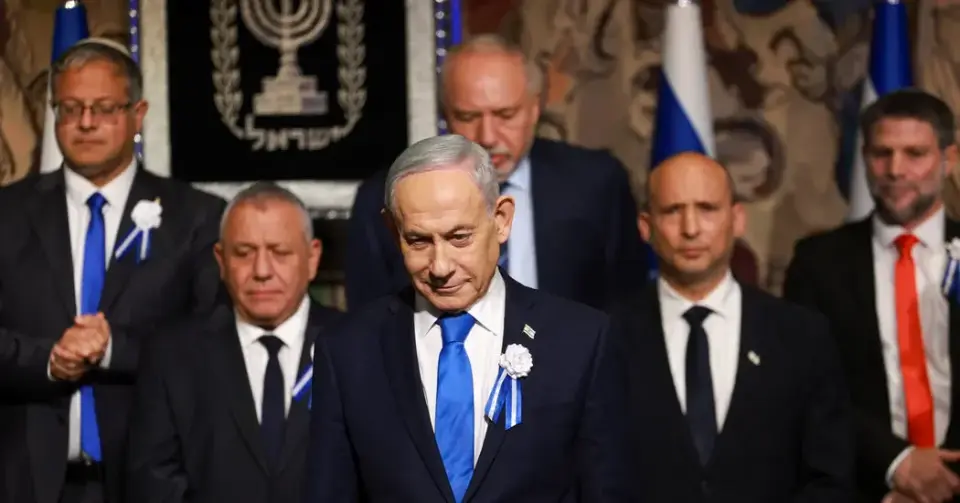
Israeli Prime Minister Benjamin Netanyahu is actively lobbying the United States for a new military strike against Iran, a move critics argue is driven by his need to retain power rather than national security. While Israel claims Iran is developing chemical weapons, U.S. officials remain skeptical and prefer economic pressure. Trump is undecided, with a potential strike window closing as his political opponents gain control of Congress in January.
Key points
- Netanyahu, now serving as a caretaker prime minister after losing his parliamentary majority, has sent Mossad director Roman Gofman to Washington to pressure the White House for a joint strike on Iran.
- Israel alleges Iran is accelerating chemical and biological weapons research, but U.S. officials dispute the immediacy of this threat, with some viewing the claims as politically motivated.
- President Trump is weighing a strike but has not committed, noting that economic pressure is currently devastating Iran and that he is not rushing into a decision before the new year.
- Gulf states are urging the U.S. to avoid military escalation to prevent a devastating Iranian response, while Iran has threatened to target U.S. bases in Europe and Gulf energy infrastructure if attacked.
- The window for a joint U.S.-Israeli operation may close in January when Democrats take control of Congress, potentially cutting off funding for the war, and Netanyahu faces losing his position entirely in the coming weeks.
Background
This development follows Israel’s October 27, 2026, national election, which stripped Netanyahu of his majority and led to opposition leader Gadi Eisenkot being tasked with forming a government. Netanyahu has been facing intense scrutiny over the October 7, 2023, Hamas attack, with former aides accusing his office of falsifying records. The current push for war occurs amid a broader regional conflict, including U.S. strikes on Iran’s Qeshm Island and ongoing tensions in the Strait of Hormuz, which have disrupted oil shipments and heightened fears of a wider regional conflagration.
How outlets are covering it
The New York Times frames the push for a strike as a political maneuver by Netanyahu to maintain power, noting that he has not explained to his citizens why an attack is necessary now. Haaretz highlights the internal Israeli debate, suggesting Netanyahu wants war while his rival Eisenkot seeks power, and notes that Trump has not made up his mind. Axios emphasizes the U.S. internal division, with Defense Secretary Pete Hegseth favoring bold action while State Secretary Marco Rubio and others support economic pressure, and questions the validity of Israel’s chemical weapons claims. CBS News focuses on the military readiness and the closing political window, noting that a new offensive could be mounted within two to four days if ordered, but that Trump’s political opponents will gain greater say over war financing in January.
Why it matters
A new strike could trigger a regional conflagration, with Iran threatening to target U.S. bases in Europe and Gulf energy infrastructure. The decision by Trump will be influenced by the political landscape in the U.S. and Israel, with the potential for a shift in power in January and Netanyahu’s impending loss of office. The outcome will also affect the ongoing economic pressure campaign against Iran and the stability of the Strait of Hormuz, a critical global oil route.
What to watch
Trump is expected to return from Asia later this week, where deliberations on a strike are likely to pick up. The White House has asked the Pentagon and intelligence experts for assessments of how Iran would respond to various strike scenarios. Qatari and Pakistani mediators are continuing indirect negotiations between the U.S. and Iran, though no significant progress has been made. The window for a joint U.S.-Israeli operation may close in January when Democrats take control of Congress, and Netanyahu faces losing his position as prime minister in the coming weeks.
- Netanyahu Wants to Attack Iran. Does That Serve Israel or Him? The New York Times
- Israeli Spy Chief Pressed for Renewed Iran Strikes During U.S. Visit WSJ
- Analysis • As Eisenkot nears power, Netanyahu pushes harder for Iran strike Haaretz
- Trump weighs strikes on Iran as Israel warns of chemical weapons Axios
- U.S. and Israel considering new assault on Iran, sources say CBS News
Want the full story? Read the original reporting
Read on The New York Times