
Poland Deploys Counter-Terrorism Units to Kaliningrad Border After Overnight Intrusion
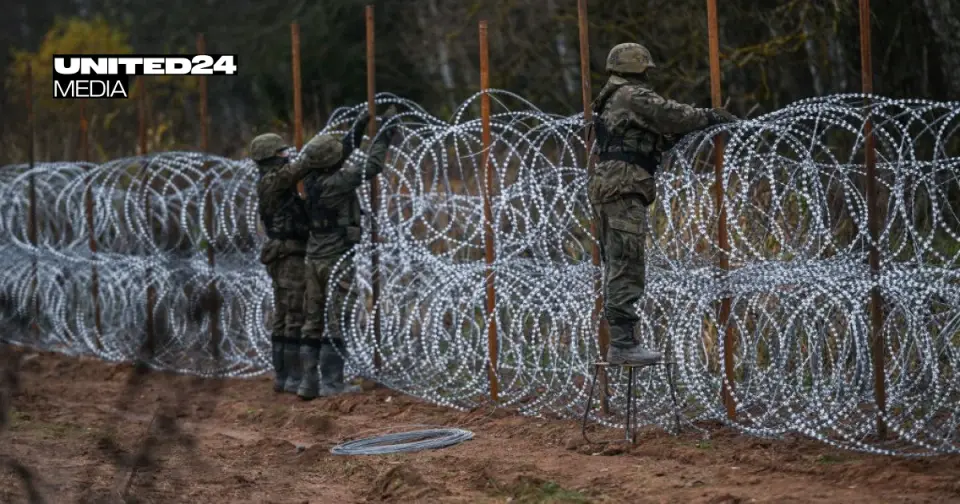
Polish authorities deployed additional forces, including counter-terrorism units, to the border with Russia’s Kaliningrad exclave following an overnight incident involving unidentified individuals. Prime Minister Donald Tusk stated that security services prevented a potential provocation, though he could not confirm if the event was a deliberate act of sabotage. The operation, which runs through November 8, follows intelligence warnings from NATO allies regarding possible hybrid attacks and armed incursions in early November.
Key points
- Unidentified individuals with flashlights were spotted crossing from the Kaliningrad region into Poland overnight on November 3.
- Polish Prime Minister Donald Tusk confirmed that border guards and special forces prevented a potential provocation, though he could not verify the specific nature of the threat.
- Counter-terrorism units and additional troops have been deployed to the Warmia-Masuria and Podlaskie regions as part of a special operation that continues through November 8.
- Tusk warned of ongoing risks of sabotage and armed infiltration, citing intelligence from NATO’s Supreme Allied Commander Europe, General Grynkewich.
- The incident follows months of intelligence warnings regarding Russian hybrid warfare tactics aimed at destabilizing European security.
Background
This development follows a series of earlier reports from our archive detailing Poland’s mobilization of police and military forces along its eastern flank. Previous coverage noted the reformation of a territorial defense brigade and heightened security measures in the Podlasie and Warmia-Masuria regions. These actions were prompted by sustained intelligence warnings from NATO allies concerning potential Russian escalation and sabotage attempts in the region.
How outlets are covering it
While UNITED24 Media focuses on the immediate deployment of forces following the 'disturbing movement,' UATV English provides additional context by citing Prime Minister Tusk’s specific warnings about sabotage and intelligence infiltration. UATV also notes that Tusk referenced a recent visit by NATO’s Supreme Allied Commander Europe, General Grynkewich, who warned of possible escalation in autumn. Both sources agree on the deployment of counter-terrorism units but differ in emphasis: UNITED24 highlights the physical presence of forces, while UATV emphasizes the broader strategic warnings and the potential for further incidents in the first half of November.
Why it matters
The deployment of counter-terrorism units and special forces to the Kaliningrad border signals a significant escalation in border security measures between Poland and Russia. This move reflects growing concerns about hybrid warfare and the potential for armed incursions, highlighting the fragile security dynamics in Eastern Europe. The involvement of NATO intelligence and the specific timeline of the operation suggest that this is not an isolated incident but part of a broader pattern of heightened tensions.
What to watch
The special security operation is scheduled to continue through November 8. Authorities will likely maintain heightened surveillance and readiness along the border in the coming weeks. Further developments may include additional intelligence assessments from NATO allies and potential diplomatic responses from Russia regarding the Polish security measures.
- Tusk Reports “Disturbing Movement” Near Kaliningrad Border as Poland Deploys Additional Forces UNITED24 Media
- Poland beefs up security at border with Russia The Seattle Times
- Poland launches special operation on the border with Kaliningrad Yahoo
- Poland Mobilizes Forces at Russian Border Yahoo
- Russia Could Stage Armed Provocation On Polish Border In Early November — Tusk uatv.ua
Want the full story? Read the original reporting
Read on UNITED24 Media