
Putin Denies European War Plans While Reviving Baltic Grievances
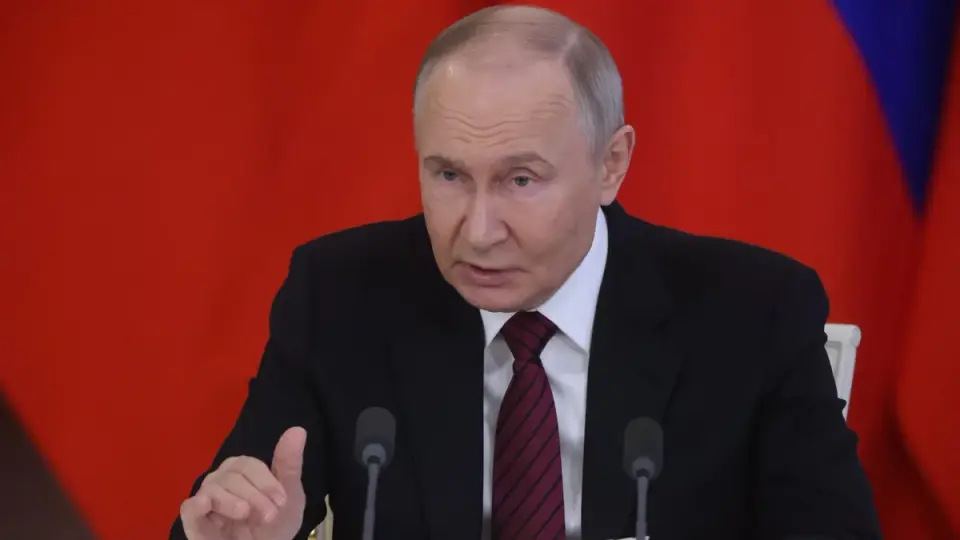
Vladimir Putin asserted Russia has no military plans against Europe, yet simultaneously accused Baltic states of violating the rights of Russian speakers. This juxtaposition, occurring amid recent drone incidents and threats from Russian officials, has heightened NATO concerns about hybrid warfare and potential escalation.
Key points
- Putin stated Russia is not preparing for war with Europe and lacks motives for escalation, dismissing European warnings as provocation.
- Putin claimed the rights of Russian speakers in the Baltic states are being violated, a narrative previously used to justify pressure on neighboring states.
- Russian officials, including Dmitry Medvedev and Nikolai Patrushev, issued severe threats against Lithuania, Poland, and Germany in recent weeks.
- NATO and European leaders are concerned about Russian hybrid warfare, including drone incidents in Germany and Lithuania, and are strengthening defenses.
- Putin indicated Russia is considering its stance on resuming peace talks with Ukraine following recent Ukrainian strikes on Russian territory.
Background
This statement follows a period of heightened tensions, including a suspected Russian drone attack at Leipzig airport in August and warnings from Putin that European troop deployments to Ukraine would constitute war. Previous archive coverage noted Putin's strategy of using hybrid warfare to test NATO unity while maintaining denials of aggressive intent.
How outlets are covering it
Ukrainska Pravda and RTE.ie reported Putin's direct denial of war preparations and his claims regarding Russian speakers in the Baltics. UNITED24 Media emphasized the contrast between Putin's denials and the severe threats issued by other Russian officials against European nations, highlighting a pattern of hybrid warfare. Kyiv Post analyzed the situation through the lens of the 'Ukraine blueprint,' arguing that Kremlin denials combined with grievances over Russian speakers historically precede military action, and noted that Baltic states are strengthening defenses in response. All sources agree on the heightened tension but differ in emphasis: some focus on the diplomatic denial, while others focus on the strategic threat and historical parallels.
Why it matters
The juxtaposition of denying war while reviving grievances over Russian speakers in the Baltics mirrors the rhetoric used before the 2022 invasion of Ukraine, raising concerns among NATO allies about potential hybrid or military escalation. This dynamic complicates European security planning and diplomatic efforts regarding the Ukraine war, as it suggests a strategy of maintaining plausible deniability while preparing for or threatening conflict.
What to watch
NATO and European allies are likely to continue strengthening defenses and monitoring Russian hybrid activities. The situation may influence diplomatic efforts regarding the Ukraine war, as Putin indicated he is considering his stance on peace talks. European leaders will need to balance caution with preparedness, as intelligence suggests potential Russian attacks could occur within months.
- Putin claims Russian speakers' rights are violated in Baltic states but says Russia is not preparing for war Українська правда
- “We Need Their Fear”: What Russian Officials and State TV Are Saying About War with Europe UNITED24 Media
- Putin Reassures Europe, but the Baltics Hear Familiar Kremlin Rhetoric Kyiv Post
- Russia not preparing for conflict with Europe, Putin says RTE.ie
- Putin stated that Russia is not preparing for war with Europe UA.NEWS
Want the full story? Read the original reporting
Read on Українська правда