
Pyongyang Tests AI-Enabled Intermediate-Range Missile Amid Border Tensions
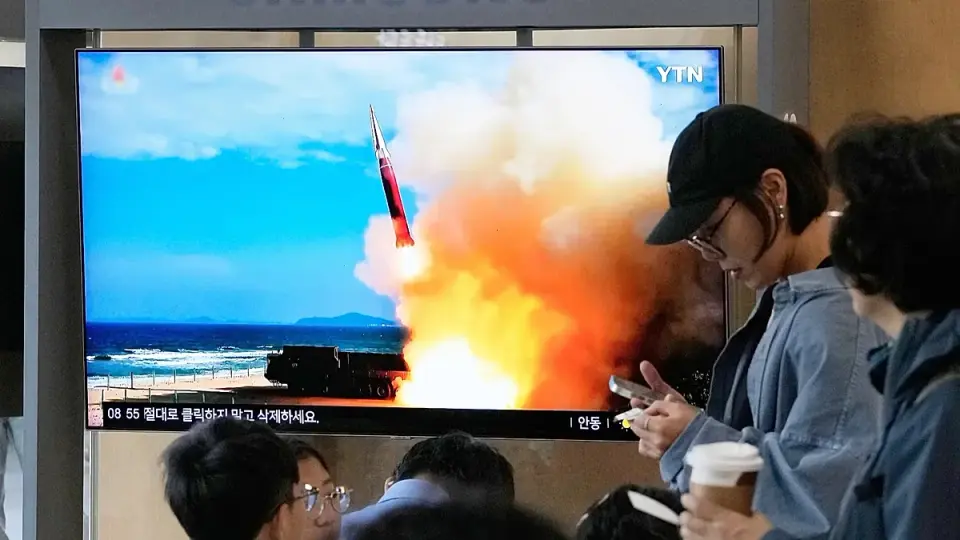
North Korea launched an intermediate-range ballistic missile from Wonsan on October 4, 2026, claiming it features AI-guided evasive maneuvers to bypass defenses in South Korea and Japan. Kim Yo Jong labeled the weapon 'strategic,' implying nuclear capability, while Seoul and Tokyo reported flight distances exceeding 680 kilometers. The test escalates tensions following recent landmine explosions along the border and follows a series of recent military displays by Pyongyang.
Key points
- North Korea fired an intermediate-range ballistic missile from the Wonsan area on October 4, 2026.
- Kim Yo Jong claimed the missile uses AI to alter its trajectory at low altitudes, making it difficult to intercept.
- South Korea reported the missile traveled over 700 kilometers, while Japan estimated the distance at roughly 680 kilometers.
- The launch occurred one day after Kim Yo Jong rejected Seoul's demands for an apology regarding September 21 landmine explosions.
- The US Pacific Command stated the launch does not pose an immediate threat to US personnel or territory.
Background
This launch follows a series of missile tests in September 2026, including short-range ballistic missiles fired from Wonsan on September 20 and 21. These previous tests were linked to heightened tensions over US-South Korea military drills and North Korea's broader shift toward Moscow after nuclear talks with the US collapsed in 2019. Recent border incidents, including landmine explosions that wounded three South Korean soldiers, have further strained relations between the two Koreas.
Why it matters
The test signals a continued expansion of North Korea's nuclear-capable arsenal and its willingness to deploy advanced evasion technologies. It highlights the deepening rift between Pyongyang and Seoul, as well as the failure of recent diplomatic overtures from Washington to restart negotiations. The launch underscores the ongoing security challenges for South Korea and Japan, who are coordinating surveillance and defense measures in response to Pyongyang's escalating military displays.
What to watch
South Korea has raised its surveillance level and is sharing information with Washington and Tokyo to monitor for further launches. Diplomatic efforts remain stalled, as North Korea insists the US must end its 'hostile policy' before resuming talks. The situation may lead to further military posturing or retaliatory measures if border tensions escalate.
- North Korea fires intermediate-range missile, claiming evasive flight and AI features Euronews.com
- North Korea says Kim oversaw hypersonic missile drill Reuters
- North Korea fires ballistic missile towards the sea, South Korea says Al Jazeera
- North Korea says intermediate missile’s range bests Tokyo and Seoul estimates The Japan Times
- North Korea’s Kim Oversaw Hypersonic Missile Drill, KCNA Says Bloomberg.com
Want the full story? Read the original reporting
Read on Euronews.com