
Qatar’s emir urges Trump to prioritize diplomacy as US-Iran talks stall over nuclear stockpile
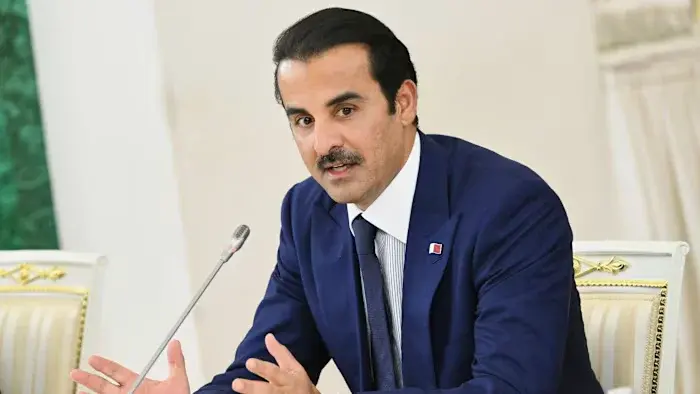
Qatar’s emir Sheikh Tamim bin Hamad al-Thani called US President Donald Trump on Friday to urge continued diplomatic engagement to resolve the eight-month-old conflict with Iran. The Gulf state is leading mediation efforts to broker an interim deal, aiming to prevent a new wave of US strikes. While both sides are reviewing mediator proposals, significant gaps remain regarding Iran’s 440kg stockpile of highly enriched uranium and the lifting of US naval blockades. The diplomatic push follows the US midterm elections, where the war’s impact on fuel prices contributed to Republican losses, prompting Vice President JD Vance to blame the conflict for the party’s defeat.
Key points
- Sheikh Tamim emphasized the importance of dialogue to prevent regional escalation, speaking to Trump days after the US midterm elections.
- Mediators are pushing for more time, noting that both Washington and Tehran have shown signs of flexibility, though significant gaps persist.
- The core dispute involves Iran’s 440kg stockpile of highly enriched uranium, which the US demands be transferred offshore, while Iran rejects this move.
- Iran’s top security official Mohsen Rezaei stated that the US must address Tehran’s seven conditions before the Strait of Hormuz can be reopened.
- The conflict has triggered a global energy crisis, pushing US petrol and diesel prices to record highs due to disruptions in the Strait of Hormuz.
Background
Qatar has been actively mediating between the US and Iran since September, when Trump initially rejected a seven-day plan proposed by Tehran. Previous efforts in late October involved over 12 hours of talks in Tehran aimed at restarting direct negotiations before the midterms. Regional leaders, including Saudi Arabia and Turkey, have pressured the US to avoid military escalation, fearing that a new offensive would provoke a ferocious Iranian response targeting Gulf states. The current diplomatic push follows a period of heightened tensions, including tanker fires in the Strait of Hormuz and internal divisions within the Trump administration regarding the war's strategy.
Why it matters
The outcome of these negotiations determines whether the Middle East will face further military escalation or a temporary de-escalation. A failure to reach a deal could lead to new US strikes, potentially triggering a broader regional crisis involving Iran’s allies and adversaries. Additionally, the resolution of the Strait of Hormuz blockade is critical for global energy markets, as the strait handles about 20% of the world’s oil and gas supply. The political fallout from the war, including record-high fuel prices in the US, has already reshaped the American political landscape, influencing future foreign policy decisions.
What to watch
Both the US and Iran are currently reviewing the latest mediator proposals aimed at bridging the remaining gaps. The next phase will likely involve determining the sequencing of concessions, specifically whether Iran will allow International Atomic Energy Agency inspectors to access its nuclear facilities and whether the US will lift its naval blockade and release frozen assets. If diplomacy fails, regional leaders fear a new US and Israeli offensive against Iran, which could lead to a deeper crisis in the Middle East.
Want the full story? Read the original reporting
Read on Financial Times