
Rosneft Ryazan Refinery Halts After Drone Strike; Ukraine Reaches Arctic Gas Hub
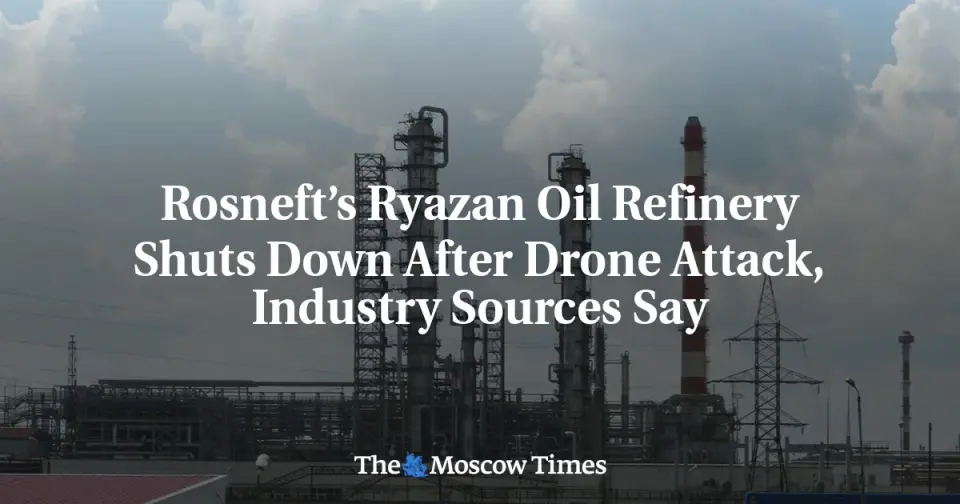
Rosneft’s Ryazan refinery has suspended operations following a Ukrainian drone strike that damaged its CDU-6 and CDU-4 units, halting nearly half of its processing capacity. Simultaneously, Ukraine launched its deepest-ever strike into Russia, hitting gas facilities in the Yamalo-Nenets Arctic region over 3,000 km from the border. These attacks coincide with renewed US-led peace efforts, though military escalation continues on both fronts.
Key points
- Rosneft’s Ryazan refinery suspended operations after a drone strike damaged CDU-6 (160,000 barrels/day capacity) and CDU-4, with repairs expected to take several weeks.
- Ukraine struck gas condensate facilities in Novy Urengoy and Purovsky, the deepest attack into Russia to date, using Fire Point FP-1 drones.
- The Yamalo-Nenets region accounts for 80% of Russia’s natural gas production; no casualties were reported in the Arctic strike.
- US envoys Jared Kushner and Steve Witkoff recently visited Moscow and Kyiv, but attacks resumed immediately after their departure.
- Russia retaliated with missile and drone strikes on Kyiv and border crossings, killing civilians and wounding dozens.
Background
Ukraine has intensified drone attacks on Russian energy infrastructure since spring 2026, targeting refineries and supply lines to reduce Moscow’s oil revenue. Previous strikes in August 2026 halted operations at the Perm refinery and ignited fires at the Syzran and Ilsky refineries. The Ryazan refinery had also been targeted in May and July 2026, with the July attack causing a two-to-three-week suspension. These strikes are part of a broader campaign to degrade Russia’s energy export capacity amid international sanctions.
How outlets are covering it
Reuters and The Moscow Times emphasize the operational impact on Rosneft’s Ryazan refinery, noting the shutdown of CDU-6 and CDU-4 and the potential for weeks-long repairs. Al Jazeera and Fox News highlight the strategic significance of the Arctic strike, framing it as a demonstration of Ukraine’s expanded long-range capabilities and a threat to Russia’s gas export revenue. The Daily Beast characterizes the escalation as a 'humiliating nightmare' for Putin, while Fox News notes the tension between US peace efforts and ongoing military strikes. Russian officials, including regional governor Dmitry Artyukhov, claim air defenses intercepted the Arctic drones, though debris caused fires, and they deny casualties. Ukrainian President Volodymyr Zelenskyy called the Arctic strike 'completely justified,' while US President Donald Trump suggested both sides may be prepared to negotiate despite the escalation.
Why it matters
The Ryazan shutdown reduces Russia’s fuel supply to Moscow and strains its refining capacity, while the Arctic strike threatens the core of Russia’s gas export economy. These attacks increase pressure on Russia’s energy sector, potentially affecting global gas prices and European energy security, especially as Europe’s gas reserves fall to 65% ahead of winter. The simultaneous peace talks and military escalation highlight the fragility of diplomatic efforts and the risk of further escalation in the fifth year of the war.
What to watch
Repairs to the Ryazan refinery could take several weeks, potentially prolonging fuel shortages in Moscow. Ukraine may continue targeting Russian energy infrastructure, including other Arctic and Siberian facilities, to maximize economic impact. US-led peace negotiations may resume, but military strikes are likely to continue, with Russia potentially escalating its own attacks on Ukrainian cities and border regions. European gas prices may rise further if Russian gas exports are disrupted, exacerbating energy concerns ahead of winter.
- Rosneft’s Ryazan Oil Refinery Shuts Down After Drone Attack, Industry Sources Say themoscowtimes.com
- Ukraine’s Arctic Drone Attacks Reveal New Risks for Gas Market Bloomberg.com
- How Ukraine’s deepest attack in Russia, on Arctic gas, signals new reach Al Jazeera
- Putin’s Humiliating Nightmare Deepens With Major Escalation The Daily Beast
- Ukraine strikes deep into Russia’s Arctic gas heartland as Trump pushes Putin toward peace Fox News
Want the full story? Read the original reporting
Read on themoscowtimes.com