
Kremlin Postpones Second Mobilization as Volunteer Recruitment Struggles
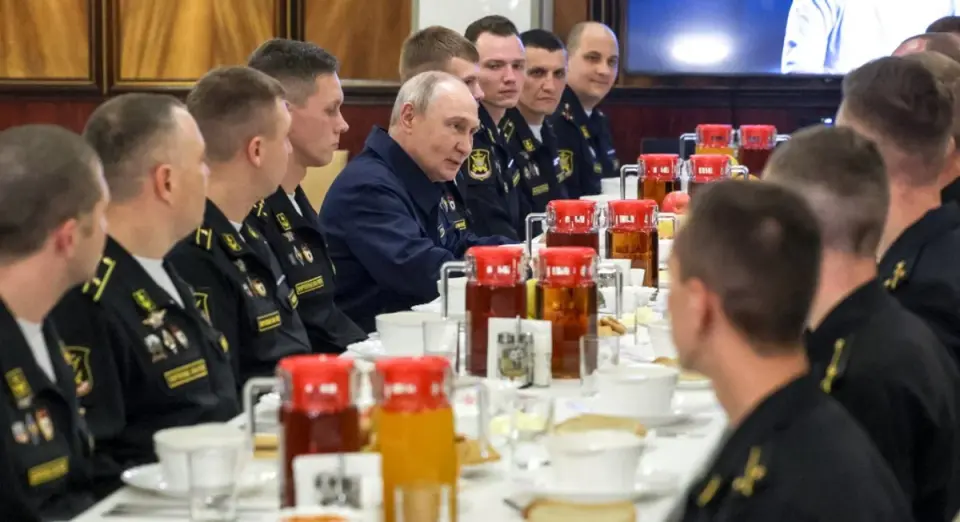
The Kremlin has no current plans for a new mass mobilization despite rising frontline losses, relying instead on financial incentives for volunteer recruitment. However, recruiting agencies report increasing difficulty meeting quotas, while North Korean troop deployments aim to bridge the gap and avoid domestic unrest.
Key points
- No new mobilization wave is planned, with Moscow relying on Ministry of Defense contracts and financial incentives to recruit volunteers.
- Recruiting agencies report that meeting monthly quotas of 20 to 30 men has become significantly harder compared to the previous year.
- North Korea has deployed between 30,000 and 50,000 troops to Russia to bolster forces and delay the need for a domestic draft.
- Analysts warn that a second mobilization could severely impact the Russian economy by removing workers from the labor force and triggering public dissatisfaction.
Background
This development follows earlier warnings from President Zelensky in August 2026 regarding a potential Russian mobilization of over 100,000 troops after parliamentary elections. It also contrasts with recent reports of coercive recruitment drives and high signing bonuses, as well as concerns from Moscow Mayor Sergey Sobyanin about the war economy hollowing out Russia's civilian base.
Why it matters
The delay of a second mobilization reflects the Kremlin's attempt to manage domestic political and economic risks, but the increasing difficulty in recruiting volunteers suggests deepening manpower shortages that may eventually force a more drastic response.
What to watch
Moscow may continue to rely on North Korean troops and financial incentives, but if volunteer recruitment fails to meet targets, the Kremlin could be forced to reconsider a mass mobilization despite its economic and social costs.
Want the full story? Read the original reporting
Read on Kyiv Post