
Russia Launches Largest Energy Grid Assault Since Spring, Killing Seven and Cutting Power
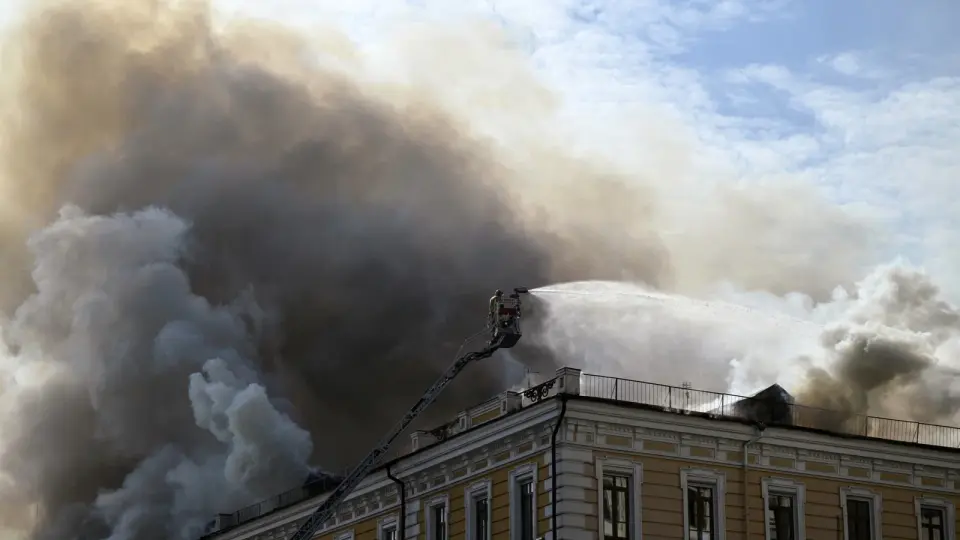
Russia executed its most significant combined strike on Ukraine’s energy infrastructure since April 2026, targeting power facilities in Kyiv and other major cities. The attack, which killed seven people and forced emergency power cuts in four regions, marks the beginning of a new winter campaign aimed at degrading Ukraine’s energy security. Ukrainian officials warn that the coming winter could be the harshest yet, while Russia claims it is retaliating for Ukrainian strikes on its own fuel and energy sites.
Key points
- Seven people were killed in the overnight strikes, including a child in the Kyiv region and a utility worker in the capital, according to Ukrainian officials.
- The attack involved nearly 190 drones and ballistic missiles, primarily targeting the Trypillya Thermal Power Plant and other facilities in Kyiv Oblast.
- Emergency power cuts were imposed in Kyiv, Chernihiv, Zhytomyr, and other regions, with freezing temperatures forecast for the coming days.
- Russia’s Ministry of Defense stated the strikes were a response to Ukrainian attacks on Russian fuel and energy facilities, while Ukraine’s Prime Minister called it the largest combined assault since the end of the last heating season.
- Ukraine’s air defenses intercepted 254 of 285 drones launched during the day, but the initial overnight barrage overwhelmed defenses, causing widespread damage.
Background
This attack follows weeks of warnings from Ukrainian officials and Russian state media about a massive Russian campaign against energy infrastructure ahead of winter. In late August, Russia’s defense ministry announced preparations for such strikes in retaliation for Ukrainian attacks on Russian energy sites. Ukraine has faced acute air defense shortages and a 5.4 billion euro energy resilience plan that remains unfunded, making the grid vulnerable. Previous winters saw severe damage to power and heating infrastructure, leaving thousands without heat for prolonged periods.
How outlets are covering it
CNBC and the BBC report on the scale of the attack, with the BBC noting that 11 regions were targeted and that power to 8,000 homes in Kyiv was restored after a 'difficult night.' The Institute for the Study of War (ISW) provides a detailed breakdown, stating that Russia launched 188 drones and an unspecified number of ballistic missiles overnight, and that the strikes were part of a modified 'theory of victory' aimed at forcing Ukraine to capitulate before peace negotiations. The Kyiv Independent highlights a new tactical development: Russia’s first use of a jet-powered drone with a steel-cutting warhead designed to destroy high-voltage pylons, a move that could significantly impact Ukraine’s ability to transmit power. While all sources agree on the severity of the attack, ISW emphasizes the strategic intent behind the strikes, whereas the Kyiv Independent focuses on the technological innovation in the weaponry used.
Why it matters
The attack signals a shift in Russia’s strategy, moving from battlefield gains to a campaign of attrition aimed at breaking Ukraine’s resolve and civilian morale before winter. The use of new steel-cutting drones and the timing of the strikes, just before the first cold spell, suggest Russia is attempting to create a humanitarian crisis that could force Ukraine to the negotiating table. For Ukraine, the attack highlights the critical need for air defense and energy resilience, as the country faces its toughest winter yet with limited resources. The international community, including the US and NATO, is watching closely, as the strikes could have broader implications for global energy markets and the stability of the region.
What to watch
Ukraine is expected to continue its counter-strikes on Russian energy and military targets, as seen in recent attacks on oil facilities in Volgograd and Samara regions. Russia may escalate its strikes if Ukraine does not show signs of capitulation, potentially targeting more critical infrastructure. The upcoming winter will be a critical test for Ukraine’s energy grid and air defenses, with the possibility of prolonged power outages and heating shortages. International partners may increase support for Ukraine’s energy resilience plan, but the lack of funding remains a significant challenge. The situation could also lead to further diplomatic tensions, as Russia continues to threaten NATO and European states over sanctions and military support for Ukraine.
- Russia launches massive strikes on Ukraine’s energy grid, forcing power cuts ahead of winter CNBC
- Russian Offensive Campaign Assessment, September 30, 2026 Institute for the Study of War
- Russia launches largest attack on Ukraine energy infrastructure since spring BBC
- Russia strikes Ukrainian pylon with steel-cutting drone for 1st time, as power outages hit 3 regions The Kyiv Independent
- A Shahed With “Whiskers” Just Appeared in Ukraine—And They Have a Very Specific Purpose UNITED24 Media
Want the full story? Read the original reporting
Read on CNBC