
Data shows Russia's second fuel crisis is deeper and more uneven than the first
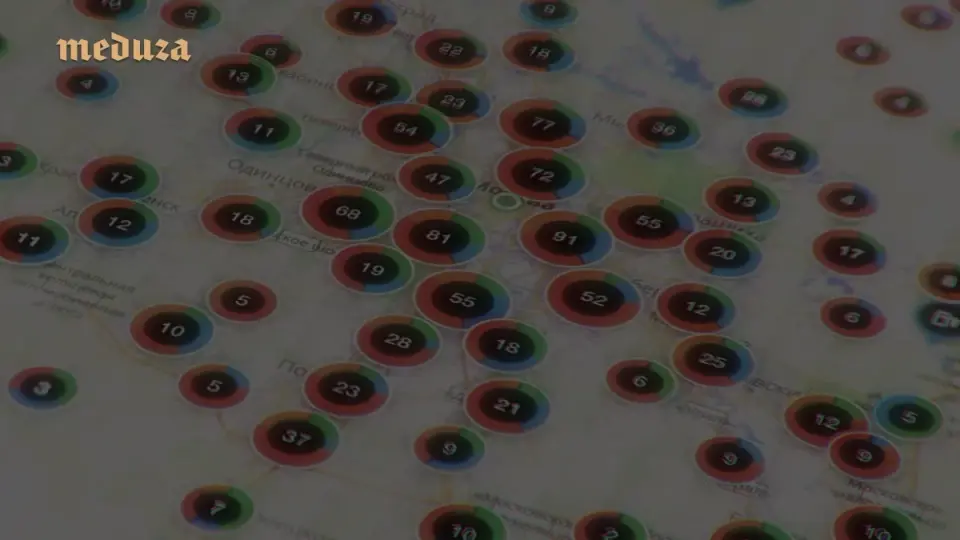
Russia faces a second, more severe fuel crisis as Ukrainian drone strikes on refineries outpace recovery. Analysis of nearly half a million crowdsourced reports shows gasoline availability without lines dropped to 25-33% in August, worse than July's peak. While Moscow and St. Petersburg remain relatively stable, central and southern regions face acute shortages, with prices surging in Crimea and demand spiking in border areas.
Key points
- Meduza analyzed 478,685 reports from the GdeBENZ service between July 4 and August 23, 2026, finding that the second wave of the fuel crisis is more severe than the first in terms of total availability.
- In August, gasoline was available without a line at only 25-33% of stations, compared to 17-29% in July, but overall availability (including lines) dropped more sharply in August (46-48%) than in July (56-64%).
- Moscow and St. Petersburg have been prioritized for fuel supplies, with Moscow seeing availability without lines drop from 75% to 30% in August, while St. Petersburg remained stable at 81%.
- Ukraine conducted 15 strikes on Russian refineries between July 25 and August 20, targeting facilities in Tyumen, Ryazan, Perm, and other regions, exacerbating shortages.
- Prices rose significantly in Crimea, where gasoline reached 222 rubles per liter, and in Dagestan and Tuva, while national averages rose by about 5 rubles per liter in July.
Background
This is the second major fuel crisis in Russia in 2026, following a first wave in July that was mitigated by imports and export bans. The current crisis is more severe in terms of total availability but less severe in terms of lines, indicating a different pattern of shortage. The crisis is part of a broader trend of Ukrainian drone strikes on Russian energy infrastructure, which has led to a scramble for imports from Turkey, India, and Belarus.
How outlets are covering it
Meduza's data-driven analysis emphasizes the severity and unevenness of the second crisis, highlighting the prioritization of Moscow and St. Petersburg. The Guardian focuses on the international dimension, noting Russia's desperate scramble for imports from Turkey, India, and Kazakhstan, and the economic impact on the Kremlin. Al Jazeera highlights the regional spillover effects, particularly in Central Asia, where countries like Kazakhstan, Kyrgyzstan, and Tajikistan are facing fuel shortages and are seeking alternative suppliers, including Iran and China.
Why it matters
The fuel crisis is a critical indicator of the economic and logistical strain on Russia due to the war in Ukraine. It affects daily life for millions of Russians, from long lines at gas stations to price spikes and rationing. The crisis also has broader geopolitical implications, as it forces Russia to seek new import sources and strains its relationships with allies like Belarus and Central Asian states. The crisis could also have social and political consequences, as fuel shortages can lead to unrest and dissatisfaction with the government.
What to watch
The situation could worsen in the fall as seasonal demand rises and refineries undergo scheduled maintenance. The durability of the recent improvement in fuel availability is uncertain, and further Ukrainian strikes on refineries could exacerbate the crisis. Russia may continue to seek new import sources and may face increased pressure from allies to provide fuel. The crisis could also lead to further economic strain and social unrest in Russia.
- Russia is in the grip of a second fuel crisis. Meduza analyzed nearly half a million crowdsourced reports to find out how bad it really is. Meduza
- Ukraine’s drone attacks have left Russia desperately scrambling for oil imports The Guardian
- Ukraine's Double-Barreled Drone Strikes Snarl Russian Oil Flows Bloomberg.com
- Ukraine’s offensive against Russia causes petrol panic across Central Asia Al Jazeera
- Russia to extend diesel export ban through September, sources say Reuters
Want the full story? Read the original reporting
Read on Meduza