
Saudi and South Korean tankers struck in Hormuz as oil prices rise
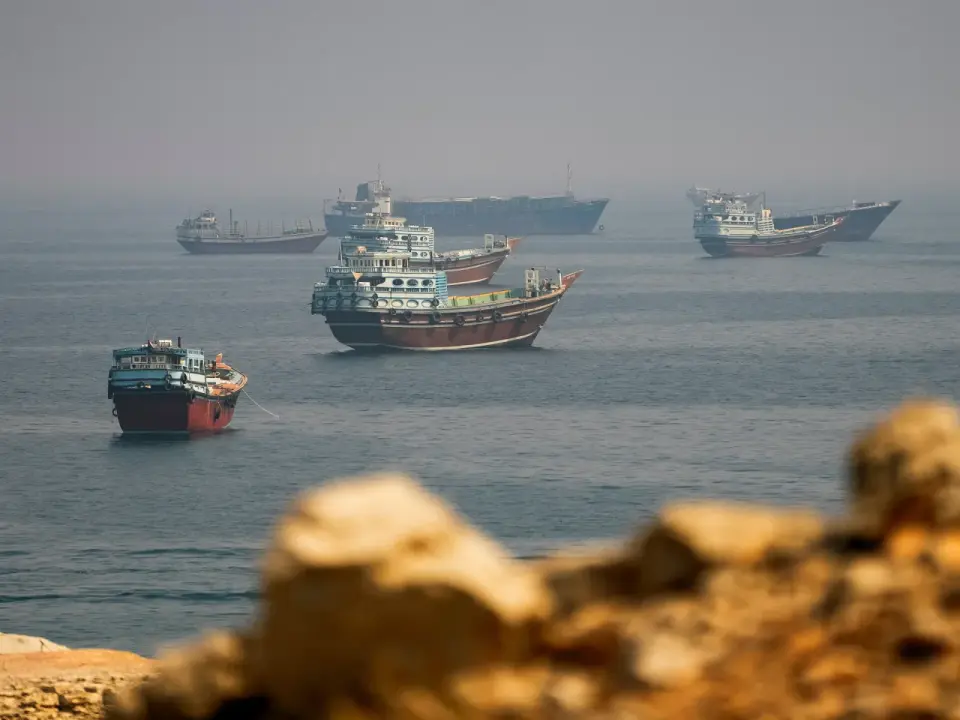
Two oil tankers, the Saudi-owned Sidr and the South Korean-owned Senegal Prosperity, were attacked in the Strait of Hormuz on Monday night, killing two Filipino crew members. The incident marks a sharp escalation in shipping violence following a period of relative calm in the ongoing US-Israeli war with Iran. While Saudi Arabia and regional neighbors condemned the attack as a violation of international law, Iran’s Revolutionary Guard claimed the vessels struck mines during unauthorized transits. Brent crude prices rose to $92 per barrel as global markets reacted to the disruption in energy exports.
Key points
- The Sidr, owned by Saudi national carrier Bahri, and the Senegal Prosperity, owned by South Korean firm Sinokor, were hit by projectiles in the Strait of Hormuz on Monday night.
- Two Filipino crew members died in the attack on the Sidr, confirmed by Bahri and Saudi authorities.
- Iran’s Revolutionary Guard stated that two tankers caught fire after striking mines, while Saudi Arabia and Qatar condemned the incident as a violation of maritime freedom.
- Brent crude prices increased to $92 per barrel on Tuesday, reflecting fears over reduced energy exports through the strait.
- The US claimed it is safely guiding an average of 30 ships through the waterway nightly, though maritime analysts noted that transit numbers may be inflated by including small vessels.
Background
This incident occurs seven months into the US-Israeli war with Iran, which began on February 28. The Strait of Hormuz, through which approximately 20 percent of the world’s oil previously passed, has become a central battleground. Previous attacks on Saudi vessels, including the Wedyan in July and the Masa and Amzan in the Red Sea, have highlighted the vulnerability of Gulf shipping. A June interim deal intended to reopen the strait collapsed, leading to renewed hostilities, including Iranian strikes on US bases in Jordan and US counter-blockades of Iranian ports.
How outlets are covering it
Al Jazeera emphasizes the diplomatic condemnation from Saudi Arabia, Kuwait, and Qatar, framing the attack as a violation of international law and a threat to global energy security. The Financial Times focuses on the economic impact, noting the rise in oil prices and the US administration’s claim that it is successfully managing traffic in the strait. While Al Jazeera highlights the human cost and regional political response, the Financial Times points to the discrepancy between US claims of safe passage and the reality of increased attacks, noting that ships are turning off GPS signals to avoid detection. Both sources agree that the waterway has become a critical flashpoint in the broader conflict.
Why it matters
The attacks on the Sidr and Senegal Prosperity underscore the fragility of global energy supply chains. With the Strait of Hormuz handling a significant portion of world oil exports, any disruption directly impacts global markets and energy prices. The escalation in shipping violence threatens to prolong the conflict and destabilize the region, potentially affecting the economies of Gulf states and global consumers alike.
What to watch
Iranian President Masoud Pezeshkian indicated that Tehran would reciprocate if the US returns to the commitments of the collapsed June deal. The US has promised to continue its counter-blockade of Iranian ports indefinitely. Maritime analysts expect continued uncertainty in the strait, with ships likely to maintain reduced GPS signaling to avoid targeting. The situation may further strain relations between Gulf states and Iran, potentially leading to more diplomatic or military escalations.
- Saudi Arabia condemns deadly Iranian attack on tanker in Strait of Hormuz Al Jazeera
- US-Iran Tensions High After Strikes on Two Tankers in Hormuz Bloomberg.com
- Oil supertankers hit in Strait of Hormuz Financial Times
- Two More Oil Tankers Are Attacked in the Strait of Hormuz The New York Times
- Tanker struck by three projectiles while sailing out of Strait of Hormuz, monitor says The Times of Israel
Want the full story? Read the original reporting
Read on Al Jazeera