
Seoul Expands Anti-Piracy Unit to Hormuz Amid US-Iran Conflict
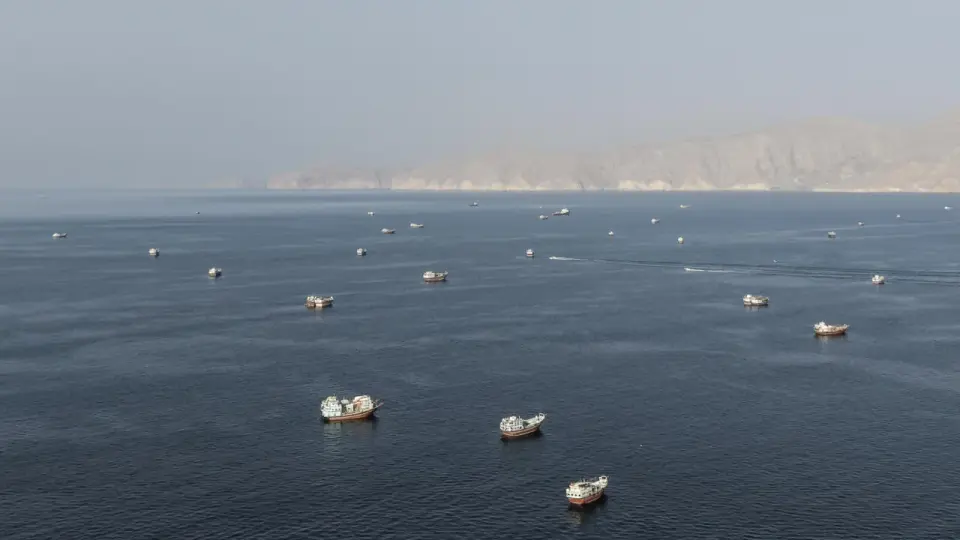
South Korea plans to deploy maritime patrol aircraft and an explosive ordnance disposal team near the Strait of Hormuz to protect commercial shipping and energy supplies. The move expands the operational area of the Cheonghae anti-piracy naval unit but explicitly excludes military intervention in the ongoing US-Iran war. Seoul emphasizes the mission is for non-combat purposes and will operate independently of allied forces, while Tehran has warned against such deployments.
Key points
- South Korea's defence ministry announced the deployment of a destroyer, a P-8 maritime patrol aircraft, an explosive ordnance disposal team, and various unmanned surface and underwater vehicles near the Strait of Hormuz.
- The mission aims to protect commercial shipping and energy supplies, which are disrupted by the US-Iran war that began on February 28, 2026.
- The deployment expands the operational area of the Cheonghae anti-piracy naval unit, currently authorized until the end of 2026, requiring parliamentary approval for extension.
- Seoul maintains a policy of non-involvement and non-intervention in the war, with operations restricted to open waters south of Oman and prohibited from targeting Iranian territory.
- Tehran has warned South Korea against any such deployment, following Seoul's earlier consideration of contributing to the security of the waterway.
Background
The US-Iran war, which began in February 2026, has significantly disrupted global energy supplies, with the Strait of Hormuz normally carrying about a fifth of the world's oil. Recent developments include the US deploying a third aircraft carrier strike group and approximately 10,000 additional troops to the Middle East, with total regional forces reaching roughly 60,000. Diplomatic talks have stalled, and new US sanctions target Iran's auto and rail sectors. Oil prices have surged, with Brent crude jumping to $102.31 per barrel, amid reports of multiple tanker attacks in the Strait of Hormuz.
Why it matters
The Strait of Hormuz is a critical global energy chokepoint, and any disruption can have significant economic implications worldwide. South Korea's decision to deploy non-combat assets reflects the broader international effort to ensure the security of maritime trade routes without escalating the conflict. This move also highlights the delicate balance between protecting national economic interests and avoiding direct military involvement in a volatile region.
What to watch
Parliamentary approval is required to extend the Cheonghae unit's operational area beyond the end of 2026. The deployment will likely face scrutiny from both domestic and international stakeholders, particularly given Tehran's warnings. The outcome of US-Iran diplomatic talks and the potential resumption of strikes by the US could further influence the security situation in the Strait of Hormuz.
Want the full story? Read the original reporting
Read on France 24