
Shenzhen APEC Summit Tests China’s Bid to Replace US Hegemony with Controlled Multilateralism
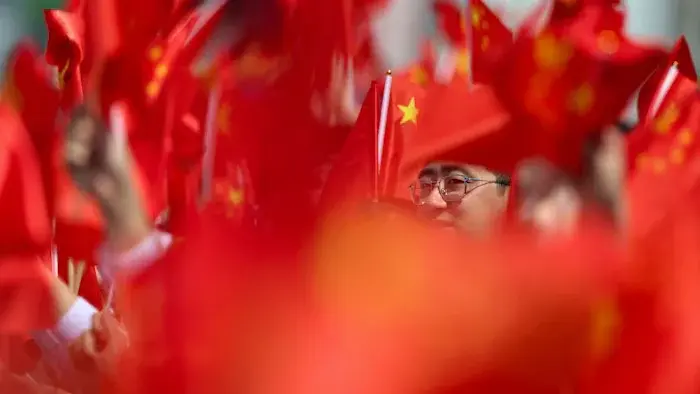
China is hosting a tightly controlled APEC summit in Shenzhen to project itself as the center of a new multilateral order, replacing the US-led liberal system. While Beijing emphasizes harmony and global south representation, Western analysts argue the event prioritizes bilateral power plays over genuine debate. The summit features a historic trilateral meeting with Trump and Putin, but critics question China’s willingness to provide global public goods like security, viewing its approach as 'power without responsibility.'
Key points
- The APEC summit in Shenzhen is described as the most tightly controlled since 1989, with no informal retreats and limited free-flowing discussion, according to the Financial Times.
- A key focus is the first-ever trilateral meeting between Xi Jinping, Donald Trump, and Vladimir Putin, expected to discuss nuclear non-proliferation and Iran, per our archive and the Financial Times.
- China’s 'Global Governance Initiative' aims to reshape international institutions to favor the 'global south' and oppose US unilateralism, as detailed by Xinhua and the Financial Times.
- Western analysts, including Ryan Hass of Brookings, argue China wants to hollow out the liberal core of the international order but lacks the military projection or financial commitment to act as a true hegemon.
- Bloomberg notes that Western fears of Chinese AI dominance and military subjugation are rejected by Beijing, which frames its strategy as restoring order rather than domination.
Background
This summit occurs amid ongoing US-China trade tensions and the expiration of the New START treaty, as noted in our recent archive. It follows Xi’s shift from a 'hide and bide' strategy to a more assertive foreign policy, including rare earth export controls against the US. The event also coincides with broader debates about the 'G-2' concept, where China and the US are seen as the dominant powers, a notion re-emerging after recent diplomatic detentes.
How outlets are covering it
The Financial Times and Western analysts like Jon Czin of Brookings view the summit as a display of 'APEC with Chinese characteristics,' designed to limit genuine debate and project power without assuming global responsibilities, such as intervening in Ukraine or Iran. In contrast, Xinhua presents Xi’s initiatives as a necessary response to a fragmented international system, emphasizing shared development and security for the global south. Bloomberg highlights a disconnect between Western fears of Chinese military aggression and Beijing’s inward-looking, order-restoring worldview. National Review, though an older source, frames Xi’s strategy as a 'breakout' to counter Western containment, a perspective that contrasts with the current focus on multilateral engagement.
Why it matters
The Shenzhen summit signals a potential shift in global power dynamics, where China seeks to replace US-led liberal multilateralism with a system aligned with its authoritarian model. The outcome of the Trump-Xi-Putin trilateral could set precedents for nuclear governance and conflict resolution, while the limited format of APEC reflects Beijing’s preference for controlled diplomacy over open consensus-building. This move may influence how developing nations align with global powers, potentially reshaping trade and security alliances in the coming decade.
What to watch
Watch for the outcomes of the trilateral meeting on nuclear non-proliferation and Iran, as well as any announcements from the Global Governance Initiative Forum. Monitor whether China follows up its diplomatic rhetoric with concrete financial commitments to global public goods, or if it continues to rely on incremental influence through institutions like BRICS and the G77. Also, observe US reactions to the 'controlled' nature of the APEC summit and any shifts in Western alliances in response to Beijing’s assertive posture.
- The world according to China Financial Times
- Xi Jinping’s plan for a China-centric world order The Economist
- China Isn’t Bent on World Domination. It Just Wants to Restore ‘Order’ Bloomberg.com
- Column: Why President Xi's vision matters for a changing world Xinhua
- Will Xi Jinping’s ‘Breakout’ Strategy Succeed? National Review
Want the full story? Read the original reporting
Read on Financial Times