
Allies fracture as Trump punishes partners over Iran war
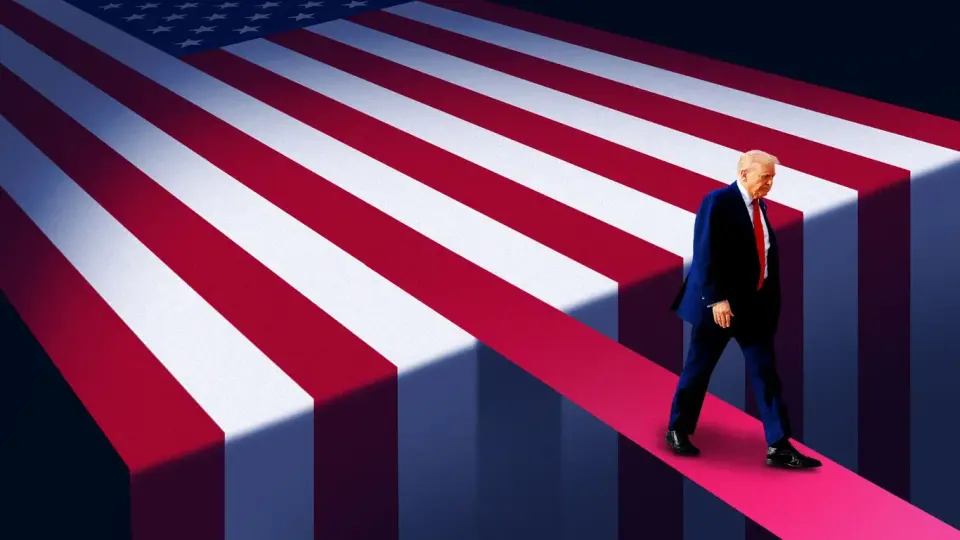
The ongoing US-Iran conflict has triggered a wave of punitive actions against Washington's traditional allies. Trump has ordered a reduction in joint military drills with South Korea and threatened to suspend Spain from NATO, while Gulf states express deep frustration over the administration's erratic diplomacy. These moves are eroding the transatlantic security architecture and prompting partners to seek alternative defense arrangements.
Key points
- Trump ordered the Pentagon to substantially reduce the annual Ulchi Freedom Shield exercises with South Korea, citing the cost and Seoul's refusal to join US operations against Iran.
- The Pentagon sent a survey to NATO allies to assess their loyalty to Trump's foreign policy, weighing potential troop withdrawals or reductions in military access.
- Gulf states, including Saudi Arabia and the UAE, are debating the utility of hosting large US military bases due to frustration with the administration's inability to secure peace with Iran.
- A 60-day deadline for a final US-Iran peace deal expired on Monday with no agreement, leaving the Strait of Hormuz closed and tensions high.
- Trump threatened to bomb Oman if it interferes with negotiations, while the Navy is temporarily leaving Asia without a US carrier as the USS George Washington is redeployed.
Background
This escalation follows a period of growing tension between Washington and its allies. In August, Gulf states expressed frustration with US diplomacy, and a Supreme Court ruling forced the US to refund $100 billion in tariffs, signaling limits on executive power. Earlier in 2026, Trump had halted a strike on Iran after Gulf allies pressed for diplomacy, but the current punitive measures mark a shift toward more aggressive pressure on partners who do not align with Washington's current strategy.
How outlets are covering it
Axios frames the situation as a systematic assault on the alliance network, highlighting Trump's anger at allies who did not participate in the Iran conflict. The Washington Post emphasizes the growing frustration among Gulf states, who feel 'unnecessarily entangled' in a war they did not start and are now paying the price for. News.by, while focusing on European economic impacts, indirectly reflects the broader instability caused by the conflict. The outlets differ in their emphasis: Axios focuses on the punitive actions against specific allies like South Korea and Spain, while the Washington Post focuses on the strategic recalibration and diversification of security partnerships in the Gulf region.
Why it matters
The erosion of the US alliance network could have long-term implications for global security and American influence. As allies begin to hedge their bets and seek alternative security arrangements, the US may find itself less able to project power and influence in key regions. The current crisis also highlights the limits of hard power in achieving diplomatic goals, as the US struggles to end the Iran conflict despite significant military and economic pressure.
What to watch
The US and Iran are expected to continue negotiations, but the 60-day deadline has expired with no agreement. The US may further reduce its military presence in Europe and Asia, and allies may accelerate their efforts to diversify security partnerships. The economic and political fallout from the conflict could continue to impact global markets and diplomatic relations in the coming months.
- Trump torches allies as Iran exposes limits of hard power Axios
- Frustration with Trump grows among U.S.’s Persian Gulf allies, officials say The Washington Post
- July inflation steady at 1.8% despite war pressures EnterpriseAM
- Will the Gulfies dump Trump? Foundation for Defense of Democracies
- Gulf States Reconsider Priorities – Expert Sevostyanov on Middle East Conflict News.by
Want the full story? Read the original reporting
Read on Axios