
U.S. Withdrawal Creates Global Vacuum Filled by Rivals
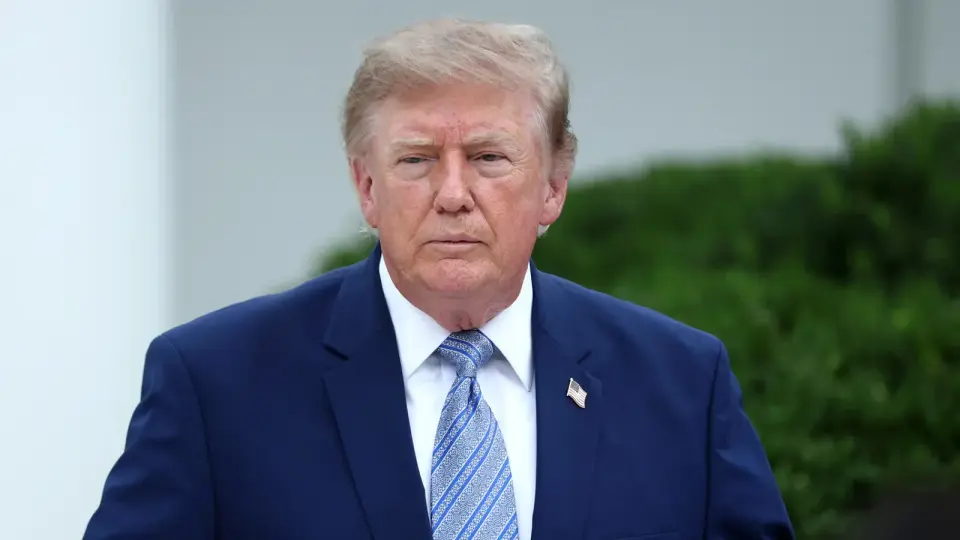
The U.S. retreat from post-1945 international commitments is creating a strategic vacuum that Russia and China are exploiting. While Washington seeks to dismantle perceived burdensome alliances, this withdrawal has destabilized global energy markets and emboldened adversaries, leading to a chaotic 'Great Interregnum' where traditional rules-based order has collapsed.
Key points
- The U.S. withdrawal from global leadership has created a vacuum that Russia and China are actively filling, increasing global instability.
- The U.S. conflict with Iran has become a protracted, destabilizing war with no clear exit strategy, disrupting global energy markets.
- Global military spending reached $2.9 trillion last year, with European defense spending rising 14% as nations realize U.S. security guarantees are unreliable.
- U.S. tariff policies have become unpredictable, shifting from threats to concessions and back, complicating diplomatic relations with allies like India and China.
- The U.S. is abandoning the post-1945 rules-based order, replacing it with a transactional approach that undermines long-term strategic stability.
Background
This shift follows the BRICS summit in New Delhi, where analysts noted the bloc's struggle to present a unified challenge to the West despite expanding membership. The current geopolitical fragmentation also contrasts with earlier U.S. efforts to maintain a rules-based order, such as the Marshall Plan, which aimed to rebuild Europe through stability rather than domination.
How outlets are covering it
Rolling Stone argues that the MAGA movement’s dismantling of the postwar order has backfired, creating a vacuum that adversaries like Russia and China are exploiting to expand their influence. The outlet emphasizes that U.S. military bases in the Middle East are now liabilities, and the U.S. is reacting to events rather than executing a coherent strategy. Firstpost focuses on the diplomatic confusion caused by Trump’s shifting rhetoric, noting that allies like India must now distinguish between his threats and actual policy, as tariff decisions have become unpredictable. The Hill Times describes the U.S. as a declining hegemon, suggesting that its erratic behavior is causing traditional allies to turn away, further eroding American power.
Why it matters
The collapse of the U.S.-led global order threatens to trigger a new era of great-power competition, where the absence of stable rules and reliable alliances could lead to broader conflicts. The unpredictability of U.S. policy undermines global economic stability and forces other nations to rearm and seek alternative security arrangements, potentially accelerating a shift toward a multipolar world.
What to watch
The U.S. may face further isolation as allies and adversaries alike adjust to the new reality of unreliable American commitments. The ongoing conflict with Iran and the unpredictable tariff regime could lead to further economic disruptions and diplomatic breakdowns, while the rise of global military spending suggests a long-term trend toward rearmament and potential conflict.
- Trump Is Dismantling the World America Built Rolling Stone
- Trump’s Quest to Be Consequential Puts the Entire World at Risk Bloomberg.com
- The Misunderstood Trump Foreign Policy hoover.org
- Trump turns diplomacy into a waiting game Firstpost
- The hegemon shrinks The Hill Times
Want the full story? Read the original reporting
Read on Rolling Stone