
UK, France, and Canada impose trade sanctions on Israeli settlements, triggering diplomatic backlash
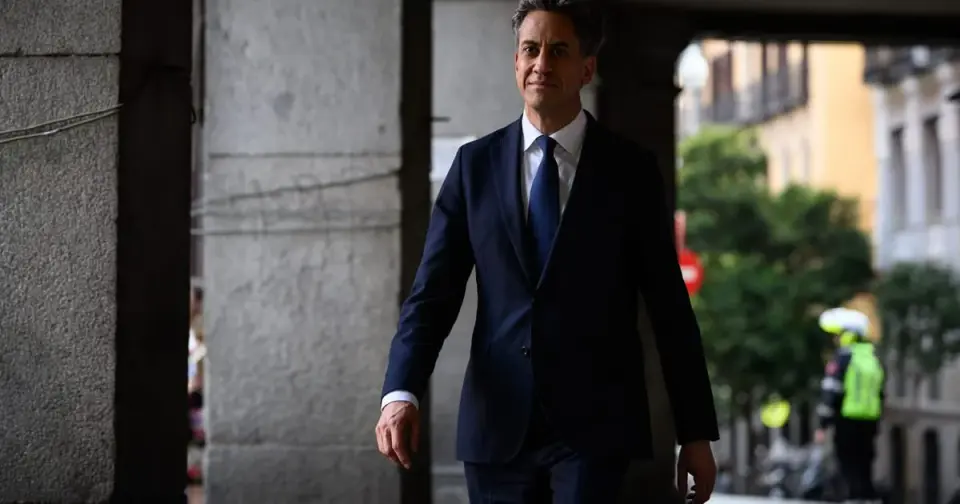
On September 8, 2026, the United Kingdom, France, and Canada announced coordinated trade sanctions targeting goods and services from Israeli settlements in the West Bank. UK Foreign Secretary Ed Miliband declared the occupation unlawful and pledged to ban imports from settlement areas, targeting companies involved in construction and real estate. The move follows Israel’s approval of 1,200 new homes in the E1 area, which critics argue destroys the viability of a two-state solution. Israel responded by closing the British consulate in Jerusalem and banning 12 UK politicians, while the US warned of economic retaliation against British businesses.
Key points
- UK, France, and Canada jointly announced a ban on trade with Israeli settlements, with measures expected to take effect in six to nine months.
- UK Foreign Secretary Ed Miliband stated the government views the West Bank occupation as unlawful and accused Israel of enabling ethnic cleansing of Palestinians.
- Israel retaliated by closing the British consulate in Jerusalem and banning 12 UK politicians from entering the country.
- US Ambassador Mike Huckabee warned that the sanctions could have a 'huge economic impact' on British businesses, with Florida threatening to bar UK firms from state contracts.
- The sanctions target specific companies and individuals providing construction, infrastructure, and financing services for settlement expansion, alongside a ban on settlement-related advertisements.
Background
This development follows months of escalating tensions between Western allies and Israel over settlement expansion. In August 2026, over 100 former French and British diplomats urged their governments to uphold international law regarding the Palestinian territories. The UK had previously signaled a policy shift under Prime Minister Andy Burnham, moving away from previous administrations' more cautious stance. The current sanctions align with the UK’s effort to implement the International Court of Justice’s 2024 advisory opinion on the illegality of settlements, marking a significant departure from traditional UK-Israel relations.
How outlets are covering it
POLITICO emphasizes the diplomatic coordination between the UK, France, and Canada, framing the move as a major shift in British foreign policy under Prime Minister Andy Burnham. It highlights the joint statement by 11 countries warning that Israeli actions threaten the two-state solution. CNBC focuses on the economic repercussions, detailing US warnings that British businesses could face bans in states like Florida, and notes the potential impact on the US-UK trade relationship. CNN underscores the humanitarian and legal dimensions, citing Miliband’s statement on ethnic cleansing and the 'red line' crossed by the E1 settlement expansion, while noting that the sanctions may have limited immediate impact on the $8 billion in annual UK-Israel trade. All sources agree on the core facts but differ in emphasis: POLITICO on diplomatic alignment, CNBC on economic risk, and CNN on legal and humanitarian justification.
Why it matters
The sanctions represent a significant escalation in Western pressure on Israel, potentially reshaping Middle East diplomacy and trade relationships. The US threat of economic retaliation could strain transatlantic ties, while Israel’s closure of the British consulate signals a deepening diplomatic rift. The move also tests the limits of EU trade law, as France and other EU members face legal challenges in implementing national-level sanctions. The outcome may influence the upcoming UN General Assembly and US-UK relations, with President Trump’s response pending.
What to watch
The UK expects the sanctions to take effect within six to nine months. Israel has indicated it will retaliate further, potentially targeting British interests. The US may impose trade restrictions on British companies in states with anti-BDS laws. The UK plans to use the UN General Assembly in two weeks to highlight the issue, and Prime Minister Burnham is expected to meet with President Trump, where the sanctions may be a key topic. France and Canada will implement their respective trade restrictions in the coming months.
- France and Canada join UK in issuing trade sanctions on Israeli settlements politico.eu
- UK announces new Israeli settlement sanctions, despite U.S. warning of economic consequences CNBC
- UK, France and Canada sanction Israeli settlements in West Bank as Britain accuses settlers of ‘ethnic cleansing’ CNN
- 12 countries jointly declare support for European measures against West Bank settlements The Times of Israel
- UK, France and Canada Impose Sanctions on Israeli Settlements Bloomberg.com
Want the full story? Read the original reporting
Read on politico.eu