
UK-led alliance formalizes naval pact to counter Russian submarines in Arctic and Baltic
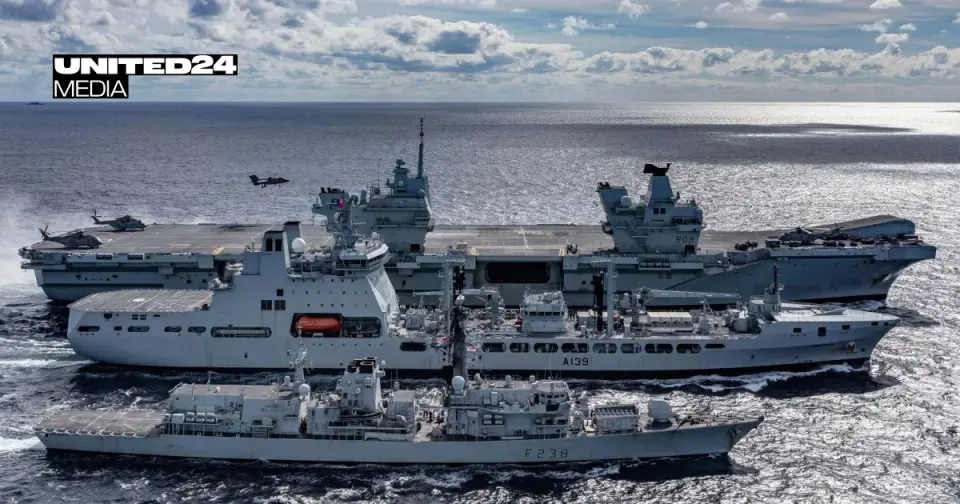
Ten NATO nations are formalizing a UK-led naval pact to counter Russian submarine activity in the North Atlantic, Arctic, and Baltic. The agreement, signed aboard HMS Prince of Wales, moves the Joint Expeditionary Force from memorandums to practical joint operations. UK defence chief Sir Richard Knighton warned that Britain must 'catch up' with European allies in understanding the escalating Russian threat, which he described as the 'most dangerous period' of his adult life. The move follows recent incidents where allied forces disrupted suspected Russian operations near undersea cables and pipelines.
Key points
- The Joint Expeditionary Force (JEF), comprising the UK, Netherlands, Baltic states, and Scandinavian countries, is formalizing a naval pact on November 10 aboard HMS Prince of Wales.
- The agreement aims to enhance coordination among naval, air, and ground forces to monitor and counter Russian submarines in the North Atlantic, Arctic, and Baltic Sea.
- UK Chief of the Defence Staff Sir Richard Knighton stated that Britain must 'catch up with our European allies' in understanding the Russian threat, which includes sabotage, cyber attacks, and targeted assassinations.
- The pact responds to an April 2026 operation where UK, US, and Norwegian forces tracked three Russian submarines, including an Akula-class attack submarine, near critical undersea infrastructure.
- UK Defence Secretary John Healey warned that specialized Russian vessels could survey and potentially sabotage underwater cables and pipelines during a conflict.
Background
This development follows a UK parliamentary committee report in October 2026 that highlighted Royal Navy shortfalls in the High North, leaving the Arctic flank vulnerable to Russian submarines. The report urged the government to accelerate deployments before 2030, especially given uncertain US support for NATO. Additionally, a failed drone attack on a Ukrainian cargo plane at Leipzig Airport in October 2026 exposed a broader Russian intelligence campaign targeting European infrastructure, linking the device to a GRU unit and identifying suspects involved in coordinated sabotage operations.
How outlets are covering it
The Financial Times emphasizes the UK's need to 'catch up' with European allies in understanding the Russian threat, highlighting Knighton's warning about the 'most dangerous period' of his adult life. Business Insider Africa focuses on the specific naval operations and the disruption of a suspected Russian plot to damage undersea cables, noting the involvement of 10 NATO members. RBC-Ukraine frames the agreement as a new alliance to contain Russia, emphasizing the shift from declarative agreements to concrete joint actions. UNITED24 Media provides a general overview of the UK rallying Northern Europe to hunt Russian submarines across three strategic seas.
Why it matters
The formalization of the Joint Expeditionary Force pact signals a significant shift in UK and European defence strategy, moving from declarative agreements to practical joint operations. This is crucial for countering Russian submarine activity in the North Atlantic, Arctic, and Baltic, which threatens critical undersea infrastructure and shipping routes. The pact also reflects a broader European effort to shoulder more responsibility for their own defence, particularly in light of US policy shifts and the increasing navigability of Arctic routes due to climate change.
What to watch
The agreement is expected to be signed aboard HMS Prince of Wales on November 10, ahead of the Atlantic Future Forum conference. The JEF will move beyond memorandums of understanding to implement practical measures for joint naval, air, and ground operations. The UK government is also expected to increase military expenditure to 3 per cent of GDP by 2030, as pledged in the recent Budget, to support these enhanced defence capabilities.
- UK Rallies Northern Europe to Hunt Russian Submarines Across Three Strategic Seas UNITED24 Media
- UK must ‘catch up’ with Europe in opposing Russian threat, says military chief Financial Times
- UK to lead Norway, Sweden and seven NATO allies against Russian submarines after US-backed operation foils suspected cable sabotage plot Business Insider Africa
- UK builds new alliance to deter Russia amid 'most dangerous period' RBC-Ukraine
- UK military chief issues stark warning over Russian threat The Independent
Want the full story? Read the original reporting
Read on UNITED24 Media