
US Orders Evacuation Prep as Trump Weighs Weekend Strikes on Iran
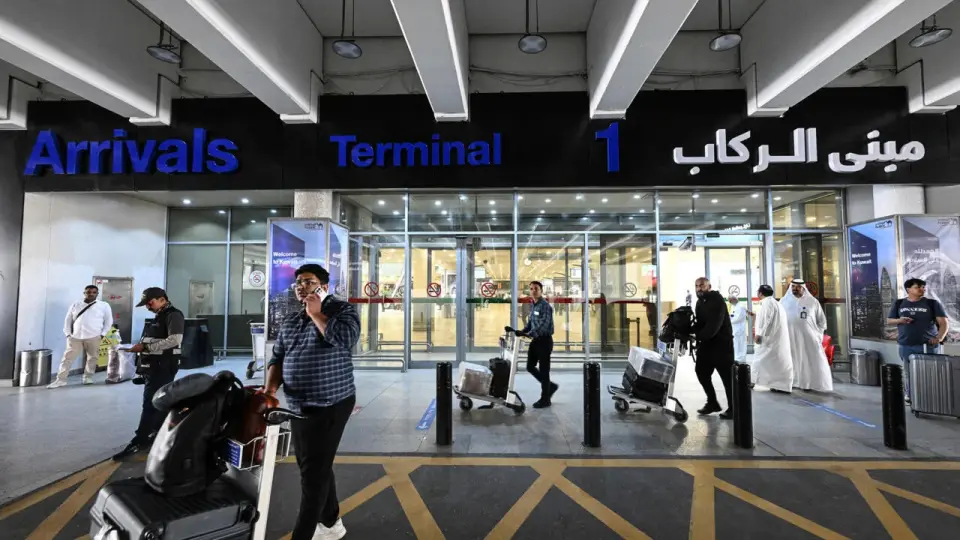
US embassies across the Middle East have issued urgent alerts urging American citizens to prepare for departure due to the risk of escalation. This follows reports that President Trump is considering fresh, heavy strikes on Iran as early as this weekend. The conflict, ongoing since February 28, has seen a collapse in ceasefire efforts, with Iran threatening to tighten control over the Strait of Hormuz and recent drone attacks hitting Kuwait and Egypt. While diplomatic efforts remain stalled, energy markets are reacting to the heightened tensions, and regional allies are divided on the path forward.
Key points
- US embassies in Bahrain, Egypt, Iraq, Israel, Jordan, Kuwait, Lebanon, Oman, Qatar, Saudi Arabia, and the UAE have posted security alerts urging citizens to be prepared to leave the region.
- US officials indicate that President Trump is planning fresh strikes on Iran, potentially starting this weekend, though these could be called off if diplomatic progress occurs.
- Iran has warned that US actions will lead to tighter control of the Strait of Hormuz and other maritime chokepoints, with traffic through the strait dropping sharply from pre-war levels.
- Recent incidents include drone attacks on Kuwaiti infrastructure, a drone strike on a US-owned gas vessel in Egypt, and a projectile hitting a tanker off Oman.
- A temporary ceasefire signed in June has effectively broken down, with neither side yielding on key issues like Iran’s nuclear program and maritime control.
Background
The US-Iran conflict began on February 28, 2026, following initial strikes by the US and Israel. A ceasefire was established in April but collapsed in June, leading to renewed exchanges of fire. Previous alerts in August 2026 had already urged Americans to prepare for departure, but the current situation marks a significant escalation in rhetoric and military planning. The war has disrupted global energy markets and upended lives across the Middle East for months.
How outlets are covering it
France 24 and the BBC emphasize the immediate security alerts and the risk of 'unexpected escalation,' highlighting the broad geographic scope of the warnings. CNN and CNBC focus on the internal US political dynamics, noting Trump’s frustration with stalled diplomacy and the conflicting messages from allies like Saudi Arabia and Israel. While France 24 and BBC report on the defensive posture of Iran, CNN and CNBC detail the US military’s preparation for a 'heavy wave' of strikes, including potential targets on energy and nuclear infrastructure. There is a consensus across all sources that the ceasefire is dead and the risk of further conflict is high, but they differ on the likelihood of immediate action versus diplomatic maneuvering.
Why it matters
The potential for new US strikes on Iran could trigger a wider regional conflict, affecting global energy supplies and shipping routes. The collapse of diplomatic efforts and the expansion of the war to new fronts, such as Egypt and Kuwait, indicate that the conflict is far from over. This situation poses significant risks to global stability and economic markets, particularly oil prices, which have already seen volatility due to the war.
What to watch
Watch for any announcements from the US regarding the execution of the planned weekend strikes. Monitor developments in the Strait of Hormuz and other maritime routes for signs of further Iranian control or attacks. Follow diplomatic channels for any signs of renewed negotiations or breakthroughs in the Gaza peace process, which may influence the broader regional conflict.
- US embassies urge citizens to consider departing Middle East France 24
- August 1, 2026 — US-Iran war; State Department warns US citizens across the Middle East cnn.com
- Embassies warn Americans of travel risk amid signs of possible U.S.-Iran military action in the coming days cnbc.com
- Kuwait Intercepts Iranian Drones as Trump Weighs Fresh Strikes Bloomberg.com
- US urges its citizens in Middle East to be ready to leave in case of escalation in region BBC
Want the full story? Read the original reporting
Read on France 24