
US Weighs Major Middle East Drawdown After Iran War Exposes Base Vulnerabilities
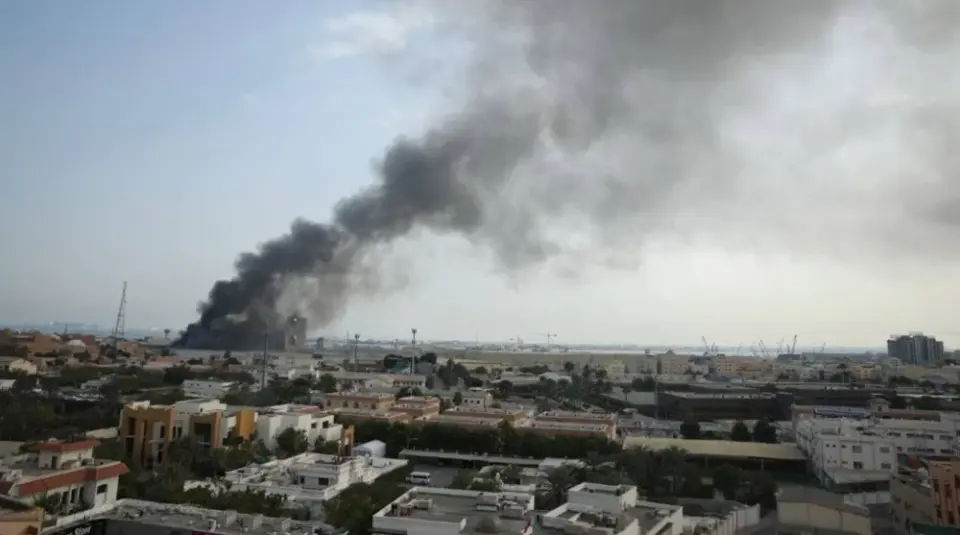
US military and intelligence officials are quietly evaluating a significant reduction of their presence in the Middle East following the Iran war, which exposed critical vulnerabilities in US infrastructure. With approximately 50,000 troops currently deployed, Washington is considering shifting to a lighter footprint, moving installations underground, or abandoning damaged facilities due to the high cost of repairs. This potential drawdown mirrors post-9/11 strategic shifts, though no clear timeline exists as the conflict remains active.
Key points
- US officials are discussing a major reduction in military and intelligence personnel in the Middle East, potentially as early as next year, to address vulnerabilities exposed by Iranian strikes.
- Iranian attacks have killed 18 US service members, wounded thousands, and caused billions of dollars in damage to US bases and intelligence facilities, including the CIA outpost in Riyadh.
- The US is considering 'hardening' remaining positions by moving installations underground or adopting a model where personnel are deployed only for specific missions rather than maintaining permanent bases.
- Retired Gen. David Petraeus and a Hudson Institute report argue that large bases like Al Udeid Air Base are no longer viable due to Iran's ability to rapidly regenerate cheap drone arsenals.
- The US Navy has stated that personnel will not return to the Fifth Fleet base in Bahrain 'anytime soon,' and some officials suggest the US may decline to rebuild certain destroyed assets due to cost.
Background
This potential drawdown follows a 25-year post-9/11 expansion of US military infrastructure in the region, which peaked at 250,000 troops during the Iraq invasion. Previous attempts to pivot away from the Middle East, such as under the Obama administration, were often reversed by new crises. The current discussions occur against the backdrop of a broader US strategic shift, including recent reductions in Asia, though the Middle East remains a primary focus due to the ongoing conflict with Iran.
How outlets are covering it
CNN and NDTV emphasize the internal US deliberations and the lack of a clear strategy from President Trump, describing him as 'mercurial' and noting that officials are trying to predict his preferences. Stars and Stripes and the Hudson Institute focus on the technical and economic mismatch, highlighting that Iran's cheap, decentralized drone production outpaces the US ability to replace expensive interceptors and rebuild bases. PressTV frames the situation as a consequence of US aggression, noting that Iran's strikes were retaliatory and that the US violated the June 17 Islamabad Memorandum of Understanding. All sources agree on the severity of the damage and the likelihood of a reduced US footprint, but differ on the root cause and the immediacy of the withdrawal.
Why it matters
A reduction in US military presence could shift the regional balance of power, potentially emboldening Iran and altering security dynamics for Gulf allies. It also signals a potential end to the post-9/11 era of permanent US basing in the Middle East, with significant implications for global defense spending and alliance structures.
What to watch
US military planners are expected to finalize force structure changes as early as next year, contingent on the outcome of the Iran conflict. In the short term, US forces will likely face continued Iranian attacks, and the Pentagon will need to decide whether to rebuild damaged facilities or shift to a lighter, more flexible deployment model.
- Heavy Iranian retaliation spurs US plans for West Asia pullback: Report PressTV
- Military and intelligence officials discuss smaller presence in the Middle East as US looks for another post-9/11 strategy CNN
- What is the future of U.S. military bases in the Middle East? NPR
- Iran’s drones prompt a rethink of major US bases in Mideast stripes.com
- US Plans To Shrink Middle East Military Footprint After Iran War: Report NDTV
Want the full story? Read the original reporting
Read on PressTV