
Haredi Journalist Navigates Strait of Hormuz Amidst Smuggling and Naval Strikes
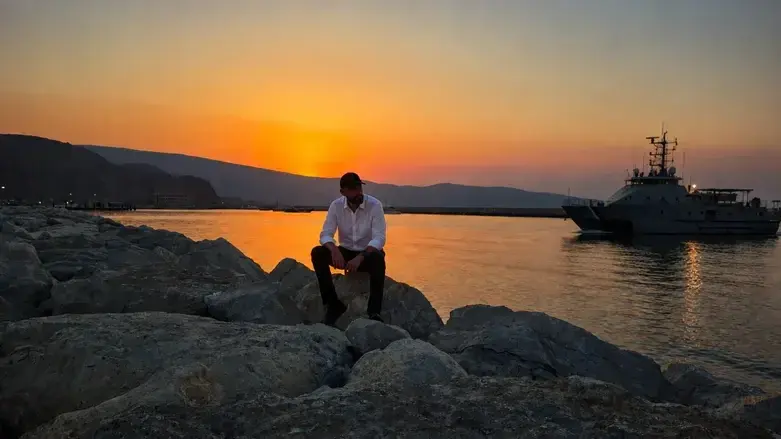
Haredi journalist Yitzhak Horowitz traveled to the Omani Musandam Peninsula to report on the tense conditions in the Strait of Hormuz. He documented a shift from a tourist destination to a militarized zone where locals face strict scrutiny. In Khasab, he observed a quiet city with active smuggling routes involving livestock and electronics between Iran and Dubai. Horowitz sailed into the strait with a local captain, witnessing oil tankers waiting for nightfall to avoid attacks. The captain described a recent drone strike on a Panamanian-flagged vessel that turned out to be an Iranian oil smuggler, resulting in one death. This firsthand account highlights the ongoing risks to maritime traffic and the complex informal economies persisting despite heightened security and conflict.
Key points
- Yitzhak Horowitz, a correspondent for Bakehila and Ami magazine, visited the Musandam Peninsula in Oman, located 40 kilometers from the Iranian coast.
- The area, once a tourist hub, is now under heavy security with soldiers warning against photography near military bases and strict scrutiny of visitors.
- In Khasab, streets are largely empty of people but populated by goats, some of which are smuggled from Iran via speedboats.
- A local kiosk owner described a two-way smuggling route: electronics move from Dubai to Iran, while livestock returns to Oman, continuing despite dangerous sailing conditions.
- Horowitz sailed into the strait with captain Younis, observing large oil tankers anchored during daylight and crossing only at night due to fears of attacks and naval mines.
- Captain Younis recounted a recent drone attack on a tanker flying the Panamanian flag, which was later identified as an Iranian oil smuggler; one sailor was killed and the rest rescued.
Background
This report follows a period of escalating tensions in the Strait of Hormuz, where US-Iran conflicts have disrupted oil flows and raised environmental risks. Previous coverage highlighted disputes over oil transit volumes, with ship trackers reporting single-digit crossings compared to pre-conflict levels, while the White House cited higher figures. Iran has maintained demands for formal control over transit, leading to US sanctions and operational measures to bypass Iranian leverage. The current situation reflects the broader regional instability, where military strikes at sea threaten the safety of vessels carrying significant oil reserves, impacting global energy supply and Gulf coastal ecosystems.
Why it matters
The Strait of Hormuz is a critical chokepoint for global oil and gas transport. The reported shift to nighttime crossings and the presence of naval mines indicate a high risk of accidental spills or deliberate attacks, which could disrupt global energy markets. The persistence of smuggling routes despite active conflict underscores the resilience of informal economic networks in the region, complicating security efforts. Furthermore, the targeting of vessels, even those under foreign flags, highlights the blurred lines of conflict and the potential for wider escalation involving international shipping interests. This firsthand account provides a ground-level view of the human and economic realities behind the geopolitical headlines, illustrating how local communities and maritime operators adapt to a volatile security environment.
What to watch
Monitor for further incidents involving oil tankers or civilian vessels in the Strait of Hormuz, particularly during nighttime crossings. Watch for any official statements from Oman or Iran regarding the drone strike on the Panamanian-flagged vessel. Track changes in oil prices and shipping insurance rates as a result of the reported risks. Observe if the US or other international actors take further action to secure the strait or impose new sanctions related to the smuggling activities described. Look for updates on the status of the Musandam Peninsula as a transit point, including any changes in security protocols or tourist access.
Want the full story? Read the original reporting
Read on Israel National News