
Zaluzhny Warns NATO Doctrines Are Obsolete, Urges New European Security Bloc
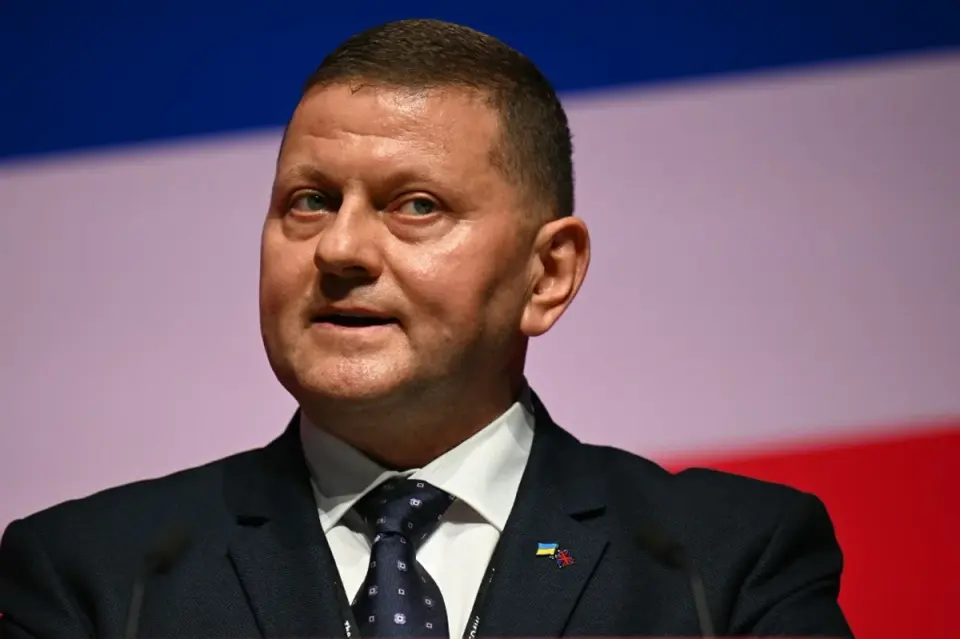
Former Ukrainian Commander-in-Chief Valerii Zaluzhny argues that NATO’s current military standards are obsolete and that Ukraine will never join the alliance in its present form. He claims Russia has developed countermeasures for nearly all major Western weapons used in Ukraine, rendering traditional NATO doctrine ineffective. Zaluzhny asserts that Ukraine’s battlefield experience has outpaced Western military evolution, necessitating a fundamental overhaul of alliance strategies. He proposes the creation of a new European security bloc, potentially centered on the UK-led Joint Expeditionary Force, to address modern warfare demands. These remarks follow earlier controversial statements suggesting Ukraine would 'never' join NATO, which Kyiv’s Foreign Ministry later contextualized as referring to current, outdated standards rather than a permanent rejection of membership.
Key points
- Zaluzhny states Russia has found countermeasures for virtually every major NATO weapon used in Ukraine, except for Tomahawk missiles, nuclear weapons, aircraft carriers, and F-35s.
- He argues NATO’s reliance on World War II-era doctrines makes it incompatible with Ukraine’s advanced, combat-tested military capabilities.
- Zaluzhny advocates for a new European security bloc, highlighting the UK-led Joint Expeditionary Force as a potential model, rather than traditional NATO membership.
- Ukraine’s Foreign Ministry clarified that Zaluzhny’s earlier 'never join' comments referred to current NATO standards, not a permanent abandonment of the goal.
- Zaluzhny, who served as commander-in-chief from 2021 to 2024, is reportedly considering a presidential run if elections are held this fall.
Background
Zaluzhny’s comments follow a period of significant friction between him and President Volodymyr Zelensky, leading to his dismissal in 2024. Ukraine has constitutionally enshrined NATO membership as a strategic goal, but has faced delays due to opposition from some members, particularly the US. Recent developments include Kyiv’s lobbying for more Patriot air defense missiles and a shake-up in diplomatic appointments, including the dismissal of the US ambassador. The broader context involves Ukraine’s shift from relying on European military support to becoming a technologically advanced military power, particularly in drone and missile production.
How outlets are covering it
Kyiv Post emphasizes Zaluzhny’s argument that NATO must reinvent itself to match Ukraine’s advanced military standards and that Russia has neutralized most Western weapons. The Guardian highlights Zaluzhny’s statement that Ukraine will 'never' join NATO due to its outdated doctrines, while noting that frontlines have largely stalled in July. Politico focuses on the shift in Ukraine’s relationship with NATO, describing Kyiv as a vital European security provider and noting Zaluzhny’s suggestion of alternative blocs like the Joint Expeditionary Force. All sources agree on Zaluzhny’s criticism of NATO’s current state but differ in emphasis: Kyiv Post focuses on the need for NATO to modernize, The Guardian on the impossibility of membership under current conditions, and Politico on the broader geopolitical shift and alternative security frameworks.
Why it matters
Zaluzhny’s statements signal a potential redefinition of Ukraine’s security strategy, moving away from traditional NATO membership toward new European security architectures. This could impact future defense cooperation, arms procurement, and geopolitical alignments in Europe. It also raises questions about the adaptability of NATO to modern warfare and the future of Ukraine’s integration into Western security structures.
What to watch
NATO is expected to respond to Zaluzhny’s critique, potentially accelerating efforts to modernize its doctrines and capabilities. Ukraine may continue to explore alternative security frameworks, such as the Joint Expeditionary Force, while maintaining its constitutional goal of NATO membership. Political developments in Ukraine, including potential presidential elections, could further influence its foreign policy direction. NATO Secretary-General Mark Rutte has reiterated the 'irreversible path' of Ukraine into NATO, suggesting ongoing diplomatic efforts to reconcile these differences.
- Zaluzhny: Russia Has Found Counters to Nearly Every NATO Weapon, Alliance Must Reinvent Itself Kyiv Post
- Former Ukrainian top commander sees no prospect of Kyiv joining NATO Reuters
- Ukraine war briefing: Military’s former top commander says Kyiv has no chance of joining Nato The Guardian
- MFA spokesperson: Zaluzhnyi's NATO remarks taken out of context, Ukraine's course remains unchanged Ukrinform
- Kyiv’s former top commander says NATO is too outdated for Ukraine politico.eu
Want the full story? Read the original reporting
Read on Kyiv Post