
Zelensky Confirms Russian 'New Doctrine' for Civilian Strikes, Vows Expanded Energy Retaliation
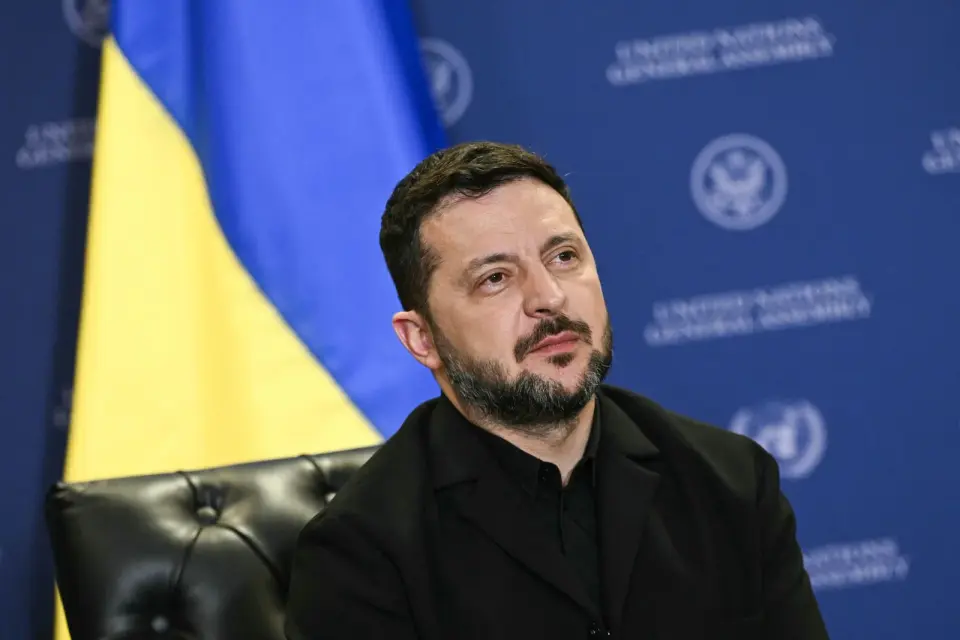
Ukrainian President Volodymyr Zelensky stated on October 3 that intelligence documents reveal a new Russian military doctrine authorizing broader strikes against civilian targets, including schools, hospitals, and logistics hubs, to force population displacement. In response, Kyiv has vowed to intensify attacks on Russian energy infrastructure, specifically oil refineries, while maintaining a policy of avoiding indiscriminate civilian targeting. Zelensky confirmed the first combat use of Ukraine’s domestically developed FP-7 ballistic missile on October 1 and requested the development of the longer-range FP-9 variant for immediate deployment. Recent Ukrainian strikes have hit targets in the Samara and Bryansk regions, including Iskander missile systems. This escalation occurs despite US President Donald Trump’s ongoing pressure for an energy ceasefire to mitigate global oil price spikes caused by the Iran conflict.
Key points
- Ukrainian intelligence obtained documents indicating Vladimir Putin issued a new doctrine allowing Russian forces to target civilian infrastructure, roads, and educational facilities to pressure residents to leave cities.
- Zelensky announced that Ukraine will increase strikes on Russian energy sites, particularly oil refineries, to disrupt funding for the war, while explicitly avoiding indiscriminate attacks on civilian objects.
- The FP-7 ballistic missile, developed by Fire Point, was used in combat for the first time on October 1, with Zelensky requesting the immediate production of the longer-range FP-9 variant.
- Ukrainian forces struck a facility in the Samara region and Iskander missile systems in the Bryansk region on October 3 in response to recent Russian attacks on civilian targets.
- US President Donald Trump has been urging both sides to halt energy strikes to lower global oil prices, but his pleas have reportedly gained little traction in Moscow.
Background
This escalation follows a pattern of increasing Russian attacks on Ukrainian civilian infrastructure since September 2026, including strikes on bridges, hospitals, and data centers. In late September, Zelensky warned at the UN General Assembly that Ukraine would intensify energy strikes if Russia continued attacking winter heating systems, while simultaneously proposing a reciprocal energy ceasefire. Earlier in September, US President Trump urged Kyiv to halt diesel-target strikes to ease a global fuel crunch, though no formal truce terms were agreed upon. Recent reports indicate that Ukrainian deep strikes have damaged over half of Russia’s oil refining capacity, significantly impacting the enemy’s economy and military supply chains.
Why it matters
The formalization of a doctrine targeting civilians marks a significant escalation in the conflict, potentially constituting a war crime and shifting the strategic focus toward attrition and population displacement. The introduction of domestically produced long-range ballistic missiles by Ukraine signals a shift in capability, reducing reliance on foreign aid for deep strikes. This dynamic complicates diplomatic efforts, as the US seeks an energy ceasefire to manage global oil prices, while Kyiv prioritizes retaliatory strikes to degrade Russian economic resilience and military logistics.
What to watch
Ukraine is expected to deploy the FP-9 ballistic missile this autumn, expanding its reach against Russian energy infrastructure. The US has proposed trilateral technical talks with Russia and Ukraine by the end of October, though Moscow’s resistance to an energy ceasefire suggests continued escalation. Further Russian strikes on civilian infrastructure are likely as winter approaches, potentially triggering more severe retaliatory actions from Kyiv.
Want the full story? Read the original reporting
Read on The Kyiv Independent