
Zelenskyy warns airlines Russian airspace is unsafe as Putin vows winter energy strikes
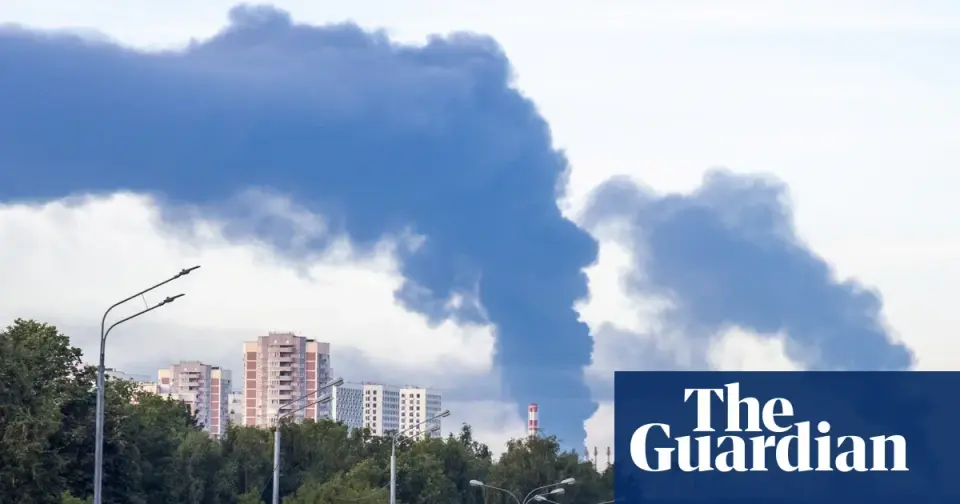
Ukrainian President Volodymyr Zelenskyy has declared Russian airspace 'completely unsafe' for commercial flights, citing the massive scale of Ukrainian drone operations. This warning comes as Vladimir Putin announced plans for 'massive strikes' on Ukrainian energy infrastructure ahead of winter. While most Western airlines avoid Russian airspace, carriers from China and the Gulf continue to operate there, drawing criticism from Kyiv. The escalation in drone warfare, including new jet-powered models, has intensified concerns for civilian aviation and energy security.
Key points
- Zelenskyy stated that Russian airspace is unsafe due to the high volume of Ukrainian attack drones, urging airlines and insurers to avoid it.
- Putin labeled Zelenskyy’s warning as 'state terrorism' and announced plans for mass strikes on Ukrainian energy facilities to disrupt heating and electricity.
- Ukraine is capable of launching several hundred drones daily, with a target of 1,000 daily strikes to impact Russia’s economy.
- Most Western airlines avoid Russian airspace, but Chinese and Gulf carriers, including Qatar and the UAE, still use it.
- Putin dismissed the possibility of a new mobilization as 'nonsense' and claimed Russian forces captured the town of Sviatohirsk, a claim disputed by some Russian commentators and Ukrainian monitors.
Background
This development follows a period of escalating drone warfare. In July 2026, Ukraine pleaded for faster air defense deliveries as Russian strikes killed eight people. In August, a NATO jet downed a drone over Romania, and Russia launched over 2,800 jet-propelled drones at Ukraine. The current warnings by Zelenskyy build on earlier statements in September 2026 regarding the safety of Russian skies.
How outlets are covering it
The Guardian and CNBC emphasize Zelenskyy’s direct warning to airlines and insurers, highlighting the safety risks posed by Ukrainian drones. France 24 focuses on the broader context of Russian hybrid attacks and the diplomatic fallout, including German sanctions over a drone incident at Leipzig airport. Business Insider provides technical detail on the surge in jet-powered Geran-3 and Geran-4 drones, noting their speed and altitude make them difficult to intercept. While all sources agree on the escalation, they differ in focus: The Guardian and CNBC center on the aviation warning, France 24 on diplomatic and hybrid war aspects, and Business Insider on the technological evolution of drone warfare. Putin’s response is characterized as dismissive of negotiations and mobilization rumors, but his claim of capturing Sviatohirsk is contested by pro-war Russian bloggers and Ukrainian monitoring groups.
Why it matters
The safety of commercial aviation in Russian airspace is a critical issue for global airlines and insurers. The escalation in drone warfare threatens energy security in Ukraine and could have broader economic implications for Russia. The diplomatic tensions, including German sanctions and US-Russia talks, highlight the growing complexity of the conflict and its impact on international relations.
What to watch
Airlines and insurers are expected to reassess their operations in Russian airspace. Russia may proceed with its planned strikes on Ukrainian energy infrastructure, potentially exacerbating the winter crisis. Diplomatic efforts, including talks with US envoys, may continue, but progress is uncertain. The development of new drone interceptors by Ukraine could alter the balance of the drone war.
- Russian airspace becoming unsafe for commercial airlines, Zelenskyy says theguardian.com
- Zelenskyy says airlines should avoid Russian airspace as Ukraine expands drone operations CNBC
- Russia Turns to New-Generation Drones and All-Day Attacks to Wear Down Ukrainians WSJ
- 'Safe days in Russian skies are over,' warns Zelensky France 24
- Russia surged high-speed jet-powered Shahed attacks by 5 times in a single month, Ukraine's air force said Business Insider
Want the full story? Read the original reporting
Read on theguardian.com