
Bangladesh Garment Sector Paralyzed as Wage Protests Escalate into Violence
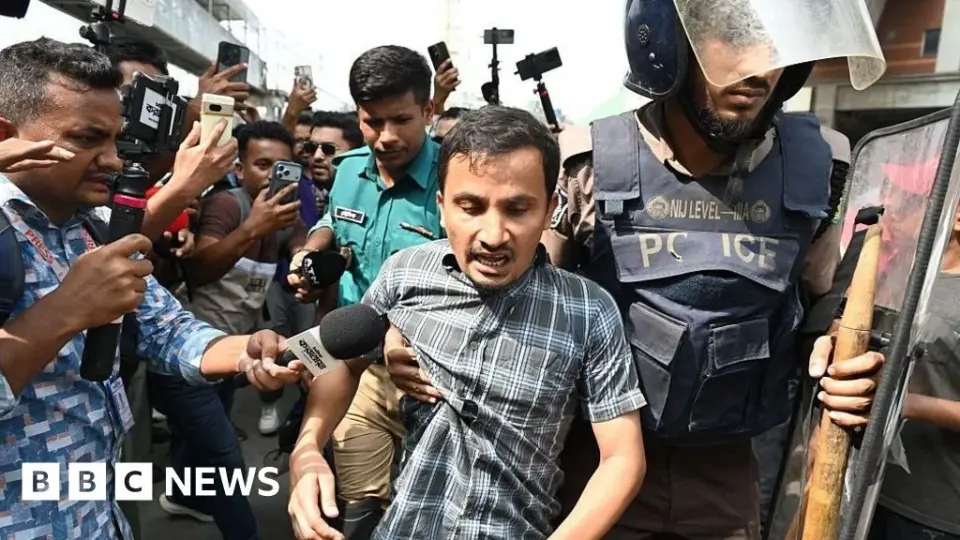
Hundreds of garment factories in Bangladesh have shut down following days of violent protests by workers demanding a minimum wage increase to 30,000 taka. The unrest, which has resulted in clashes with police and factory closures across Dhaka and surrounding industrial hubs, threatens the country’s $40 billion export sector. While the government has formed a wage board to address the crisis, workers remain skeptical, citing rising inflation and the lack of immediate relief.
Key points
- Protests began on Saturday and turned violent on Sunday, with workers blocking roads, vandalizing factories, and setting vehicles on fire in Dhaka and nearby areas like Ashulia and Gazipur.
- Workers are demanding a minimum monthly wage of 30,000 taka, more than double the current rate of 12,500 to 15,000 taka, citing soaring costs for food, rent, and utilities.
- Approximately 670 factories suspended operations on Monday, with hundreds remaining shut on Tuesday and Wednesday, affecting nearly one million workers in an industry that employs four million people.
- The government established a six-member wage board on Sunday, with Prime Minister Tarique Rahman holding an emergency meeting; however, workers have not returned to work, demanding immediate action.
- Police have arrested dozens of protesters, with at least 29 detained as of Monday, and authorities have accused the banned Awami League of instigating violence, a claim the opposition denies.
- The garment sector generates nearly $40 billion annually, accounting for 10% of Bangladesh’s GDP and over 80% of its export earnings, making the disruption a significant economic threat.
Background
This crisis follows a period of rising inflation in Bangladesh, with annual inflation reaching 8.34% in September 2026. The last minimum wage revision for the garment sector occurred in December 2023, and a new review cycle was due in December 2026. The current unrest mirrors broader regional labor tensions, such as the student protests in France and Albania earlier in 2026, where workers and citizens demanded government action on cost-of-living issues.
How outlets are covering it
BBC and Al Jazeera highlight the human toll, with workers like Laili Begum reporting they cannot afford basic meals or school fees for their children. Al Jazeera emphasizes the role of global brands, with human rights lawyer Taqbir Huda accusing Western buyers of holding the 'lion’s share' of value and failing to address worker rights. WRAL focuses on the scale of the disruption, noting that 100 factories remain shut in Ashulia alone and that over 10,000 police officers were deployed in Dhaka’s Mirpur area. The Daily Star reports that India is monitoring the situation, with MEA spokesperson Randhir Jaiswal stating New Delhi is following developments while maintaining a constructive relationship with Dhaka. The Bangladesh Garment Manufacturers and Exporters Association warns that significant wage increases without fair pricing from international brands could threaten employment, while workers’ representatives urge a return to work, promising the wage board will address their demands.
Why it matters
The unrest threatens Bangladesh’s status as the world’s second-largest garment exporter, with potential disruptions affecting global supply chains for major brands like H&M, Primark, and Uniqlo. The crisis also highlights the growing gap between worker wages and living costs in a country with one of the lowest wages among apparel-producing nations. If the wage board fails to address inflation and cost-of-living concerns, the protests could continue, leading to further economic losses and social instability.
What to watch
The wage board is expected to begin deliberations shortly, with workers’ representative Babul Akhter urging the new wages to take effect with January 2027 salaries. The government has promised to fix a new minimum wage through negotiations, but workers remain skeptical, demanding immediate action and the release of arrested protesters. The situation is likely to remain volatile until a concrete agreement is reached, with potential for further clashes and factory closures.
- Wage protests force hundreds of Bangladesh garment factories to close BBC
- Bangladesh agrees new garment pay scale from December amid protests Reuters
- ‘Going hungry’: Garment workers in Bangladesh say wages barely cover needs Al Jazeera
- Bangladesh garment factories close as workers clash with police in pay protests WRAL
- India monitoring garment workers' protests in Bangladesh: MEA spokesperson The Daily Star
Want the full story? Read the original reporting
Read on BBC