
US and China Clash Over African Trade: Subsidized Flood vs. Industrialization Engine
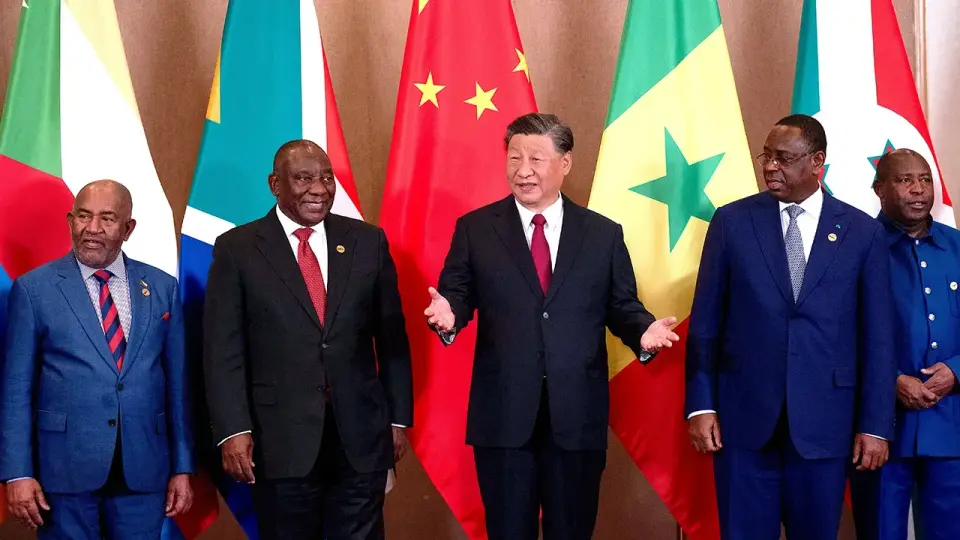
Assistant Secretary of State Frank Garcia warned that Chinese state-subsidized imports are displacing African manufacturing, citing a 2025 trade gap where Beijing exported $225 billion to the continent but imported only $123 billion. While the US seeks to replace Chinese influence with American investment, Chinese state media argues these exports provide essential industrial inputs for African growth.
Key points
- US officials claim China’s trade practices create unsustainable debt and prevent local industry development in Africa.
- The US Bureau of African Affairs reported closing 37 commercial deals worth $25.67 billion since the start of the current administration.
- Chinese state media counters that 45% of exports to Africa are intermediate goods, not consumer products, aiding industrialization.
- China granted zero-tariff treatment to all African nations with diplomatic ties, boosting imports from the continent by 30.8% in May and June 2026.
- Chinese automaker Chery acquired a Nissan plant in South Africa, aiming to produce vehicles locally by mid-2027.
Background
This dispute follows earlier US efforts to counter Chinese influence in global supply chains, including recent tariff adjustments on agricultural goods and increased scrutiny of foreign investment. The current tension mirrors broader geopolitical shifts where Washington seeks to diversify critical mineral sources away from Beijing.
How outlets are covering it
Fox News emphasizes the 'China shock wave,' highlighting how subsidized goods crowd out local African manufacturers and create dependency on Beijing. Assistant Secretary Garcia described this as unfair trade practices that hinder economic development. Conversely, CGTN argues the narrative of 'economic colonialism' is false, noting that China’s exports are largely capital and intermediate goods used to build African factories. CGTN points to the zero-tariff policy as evidence of openness, contrasting it with Western protectionism. While Fox focuses on the trade deficit, CGTN highlights the rapid growth in total bilateral trade, which reached $203.5 billion in the first half of 2026.
Why it matters
The outcome of this trade rivalry will determine the future of African industrialization and global supply chain security. If Chinese dominance continues, Western firms may lose market share in key sectors like automotive and electronics. Conversely, successful US engagement could diversify Africa’s economic partners and reduce reliance on state-subsidized foreign goods, impacting global stability and resource access.
What to watch
Watch for the mid-2027 launch of vehicle production at the Chery plant in South Africa and further US commercial deals in Africa. Monitor whether Chinese zero-tariff policies lead to sustained growth in African exports to Beijing or if US diplomatic pressure shifts African trade alliances.
Want the full story? Read the original reporting
Read on Fox News