
RBA Hikes Rates to 4.85% Amid Inflation and Housing Crisis
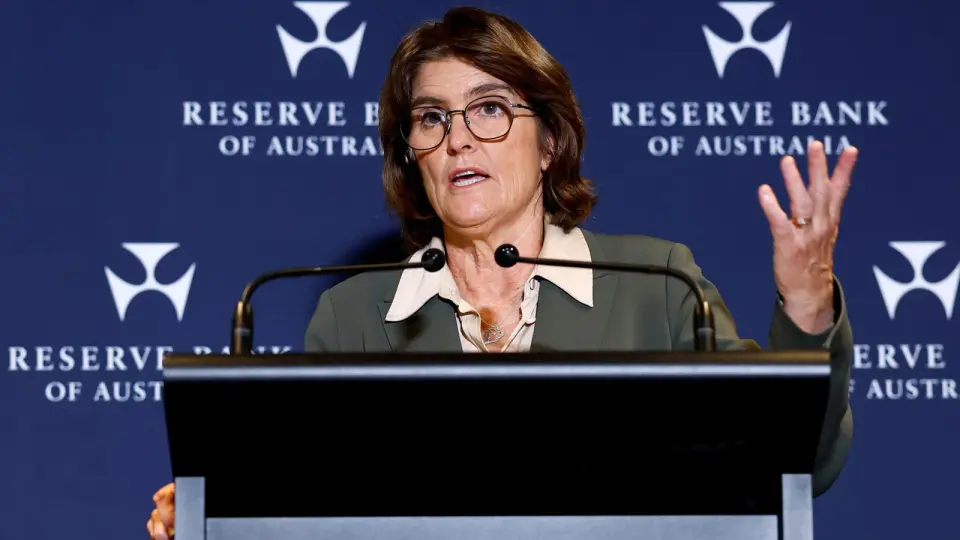
The Reserve Bank of Australia (RBA) raised its cash rate by 25 basis points to 4.85%, the highest level since November 2008. This is the fifth increase in 2026, driven by persistent inflation and capacity constraints. The decision was split, with six members voting for the hike and three for a hold. Inflation is now expected to remain above 3% until late 2027, delaying the return to the 2-3% target range. The move adds approximately $92 to monthly mortgage repayments for a $600,000 loan, bringing the total increase from five hikes to $456 per month. The RBA cited higher fuel prices and AI-related investment as key drivers, while the government blamed external factors like the Middle East conflict.
Key points
- The RBA raised the cash rate to 4.85%, the highest since 2008, in a split 6-3 decision.
- Inflation is expected to remain above 3% until late 2027, three quarters later than previously forecast.
- The hike adds $92 to monthly repayments for a $600,000 loan, totaling $456 across five hikes this year.
- The RBA cited fuel prices and AI-related investment as drivers, while the government blamed the Middle East conflict.
- House prices are expected to fall by 14% peak-to-trough, with unemployment rising to 4.7%.
Background
The RBA has raised rates five times in 2026, following a period of rate cuts in 2025. Inflation has been above the 2-3% target range for two years, driven by global oil prices and domestic capacity constraints. The September hike to 4.6% was the fourth of the year, with the current move marking the fifth. The RBA previously forecast inflation to return to target by mid-2027, but has now delayed this to late 2027 due to revised outlooks.
How outlets are covering it
The RBA emphasized that inflation is driven by domestic capacity constraints and AI-related investment, not just oil prices. Governor Michele Bullock stated that monetary policy cannot influence global crude prices and that the bank is tightening to prevent inflation expectations from becoming embedded. The Australian government, led by Treasurer Jim Chalmers, blamed the Middle East conflict and external factors, stating that public demand has eased while private demand has tripled. Economists are divided on future moves: some expect no further hikes, while others predict additional increases in 2027. The FT noted that the rate hike adds pressure on Prime Minister Anthony Albanese’s government, which is preparing to cut public spending. News.com.au highlighted the impact on borrowers, with Canstar estimating a $456 monthly increase across five hikes, and warned of hardship for households without buffers. The RBA’s statement removed language about potential further hikes, suggesting a pause, but the bank indicated it would act if necessary.
Why it matters
The rate hike impacts Australian households and businesses, increasing borrowing costs and cost-of-living pressures. It may slow economic growth, which has already declined to 2.1% in the June quarter. The move also affects the housing market, with CBA predicting a 14% peak-to-trough decline in dwelling prices. The RBA’s decision reflects a balance between controlling inflation and avoiding a recession, with Bullock stating that a recession is not the base case. The split vote and revised inflation forecast indicate uncertainty, with the bank prepared to act if inflation remains stubborn. The move also highlights the global impact of the Middle East conflict on inflation and interest rates, with other central banks holding rates steady.
What to watch
The RBA will meet again in December and February 2027, with economists debating whether further hikes are needed. The government will release a mid-year budget update in December, with potential savings. The housing market is expected to continue declining, with CBA forecasting a 14% peak-to-trough drop. Inflation is expected to remain above 3% until late 2027, with the RBA monitoring fuel prices and AI-related investment. The Australian dollar weakened to under US$0.70 following the announcement, reflecting market concerns. The RBA will assess the impact of the hike on economic activity and inflation, with a focus on the consumer and labor market. The government will continue to point to external factors as drivers of inflation, while the RBA emphasizes domestic capacity constraints.
- Australia hikes rates to 18-year high to fight inflation CNBC
- AUSSIES HIT WHERE IT HURTS: RBA makes seismic call on rates News.com.au
- Politics latest: Reserve Bank raises rates to 18-year high of 4.85pc The Australian
- Australia raises rates to highest level since 2008 financial crisis Financial Times
- RBA interest rates live updates: Reserve Bank of Australia hikes rate to 4.85% in blow to mortgage holders – latest news The Guardian
Want the full story? Read the original reporting
Read on CNBC