
Yuan’s share in Russian export payments drops to 22% as US sanctions force shift to rubles
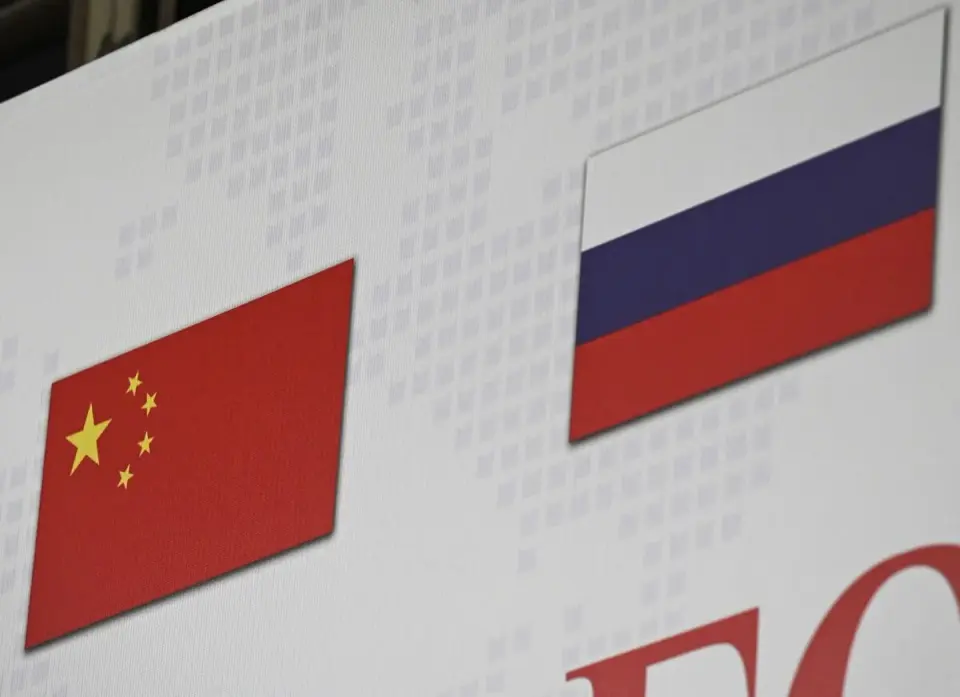
Russia has effectively abandoned its strategy to replace the US dollar with the Chinese yuan in international trade. Driven by US secondary sanctions, the yuan’s share in Russian export settlements has halved to 22%, while rubles now account for 69% of export revenue from Asian partners.
Key points
- The yuan’s share in Russian export payments fell to 22% in 2026, down from nearly 50% in mid-2024.
- US secondary sanctions imposed in June 2024 caused Chinese banks to freeze payments and return funds to avoid restrictions.
- Russia now receives 69% of its export revenue from Asian countries in rubles, a significant shift from the yuan.
- Russian businesses are increasingly relying on intermediaries and third countries to facilitate payments due to disrupted direct banking channels.
- The yuan’s share in global payments has returned to pre-war levels, undermining Beijing’s ambitions for a stronger international currency.
Background
This development follows a period of intense US pressure on Russian financial networks, including the designation of the Kremlin-backed fintech A7 as a transnational criminal organization in October 2026. It also occurs amid broader geopolitical tensions, such as European rejection of Russian gas deals in peace talks and US bipartisan opposition to Russian diesel imports, highlighting the continued effectiveness of financial sanctions in isolating Moscow.
How outlets are covering it
Bloomberg and Meduza emphasize the collapse of the yuan strategy due to US secondary sanctions, citing Russian central bank data. UA.NEWS frames the shift as a consequence of China’s financial institutions withdrawing from Russian transactions to avoid restrictions. Tribune Online highlights the broader implications for global currency dynamics, noting that the failure of the yuan as a dollar alternative reinforces the US dollar’s dominance and questions Beijing’s ambitions for a 'powerful currency.' All sources agree that the shift to rubles and reliance on intermediaries has increased transaction costs and unpredictability for Russian businesses.
Why it matters
The collapse of the yuan’s role in Russian trade underscores the limits of US secondary sanctions in curbing Russia’s economic resilience. It also highlights the challenges for other nations seeking alternatives to the dollar, as the yuan’s inability to replace the dollar in this context reflects broader structural issues in global financial systems. The shift to rubles and intermediaries may increase costs and delays for Russian businesses, potentially affecting their ability to sustain war efforts and economic stability.
What to watch
Russian businesses may continue to rely on intermediaries and third countries for payments, though this will likely increase costs and delays. The US may maintain or expand secondary sanctions to further isolate Russian financial networks. China may face pressure to balance its economic ties with Russia against the risk of US sanctions, potentially leading to further adjustments in its financial policies. The APEC summit in Shenzhen may provide a platform for discussions on Russia-China economic relations, though the focus will likely remain on maintaining political ties despite financial challenges.
- Russia’s Push to Replace Dollar With China’s Yuan Collapses Bloomberg.com
- In Russia, yuan’s share in export settlements fell to 22% — Meduza UA.NEWS
- Russia retreats from China's yuan as U.S. sanctions bolster dollar TradingView
- Russia’s plan to replace the dollar with the yuan failed because of U.S. secondary sanctions Meduza
- Russia’s plan to replace US Dollar with China’s Yuan fails Tribune Online
Want the full story? Read the original reporting
Read on Bloomberg.com