
Lost Papal Letter Links 1066 Invasion to Rome's Internal Power Struggle
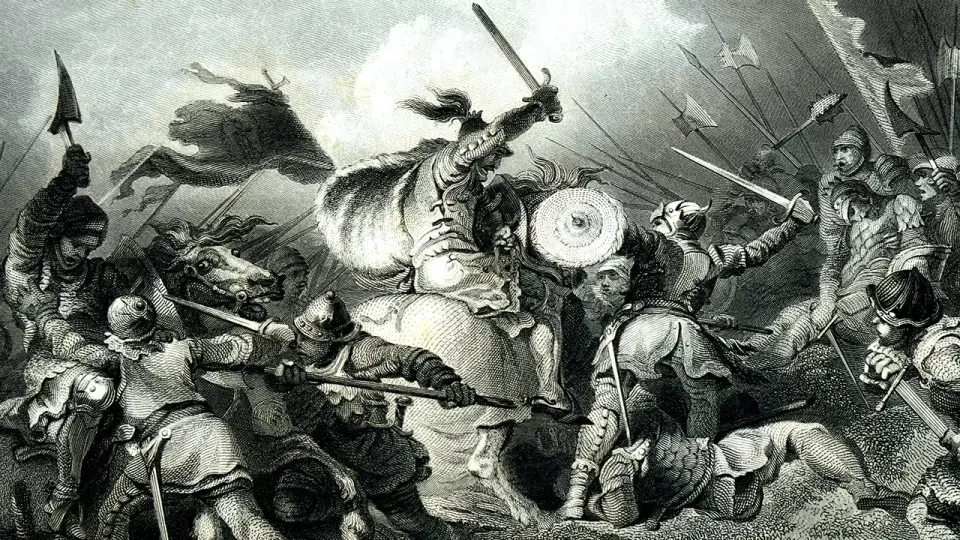
A previously overlooked excerpt from a papal letter in the Vatican archives suggests Pope Alexander II supported William the Conqueror’s 1066 invasion of England not just for dynastic claims, but to punish English alignment with his rival, the antipope Honorius II. Professor Tom Licence of the University of East Anglia argues this reframes the Battle of Hastings as part of a broader ecclesiastical power struggle, rather than solely a contest between King Harold II and William of Normandy. The findings, detailed in Licence’s new book 'Harold: Warrior King,' indicate that Alexander viewed England’s leadership as an 'evil head' leading the nation astray, potentially using the Norman invasion to enforce regime change and restore papal authority in the region.
Key points
- Professor Tom Licence identified overlooked excerpts from a lost papal letter in Vatican archives that link the 1066 Norman invasion to a conflict between Pope Alexander II and antipope Honorius II.
- The letter describes England as being led by an 'evil head' and labels the English as 'followers of Satan,' suggesting they had withdrawn support from Alexander II in favor of his rival.
- Licence argues that Alexander II’s support for William the Conqueror was motivated by a desire for regime change in England to counter the English alignment with Honorius II, rather than solely supporting William’s claim to the throne.
- The research, announced by the University of East Anglia in August 2026, challenges the traditional view of the Battle of Hastings as a purely dynastic dispute between Harold II and William of Normandy.
- Licence notes that while England likely withdrew support from Alexander, it is less clear if they openly declared support for Honorius II, though the papal rhetoric implies a significant shift in allegiance.
Background
The Battle of Hastings in 1066 is traditionally understood as a pivotal moment in English history, centered on the competing claims of King Harold II and William of Normandy to the English throne. Previous historical analyses have largely focused on the dynastic and military aspects of the conflict, with less attention paid to the broader political and religious dynamics involving the papacy. The discovery of this papal letter adds a new layer to the understanding of the Norman Conquest, suggesting that ecclesiastical politics played a significant role in the events leading up to the battle.
Why it matters
This discovery reshapes the historical narrative of the Norman Conquest by highlighting the influence of papal politics on medieval European conflicts. It suggests that the Battle of Hastings was not just a local dynastic dispute but part of a larger struggle for power and influence within the Church. Understanding the role of the papacy in supporting William the Conqueror provides a more comprehensive view of the political and religious landscape of 11th-century Europe, potentially influencing future historical research and interpretations of the period.
What to watch
Historians and scholars may now re-evaluate the role of the papacy in medieval European conflicts, particularly focusing on the interactions between the papacy and local powers. Licence’s findings could lead to further research into other overlooked documents in Vatican archives that might shed light on similar power struggles. Additionally, the publication of 'Harold: Warrior King' may spark new discussions and debates among historians about the motivations behind the Norman Conquest and the broader context of 11th-century European politics.
Want the full story? Read the original reporting
Read on Fox News