
France Blames Iran for Unprecedented Cyberattack on European Food Supply
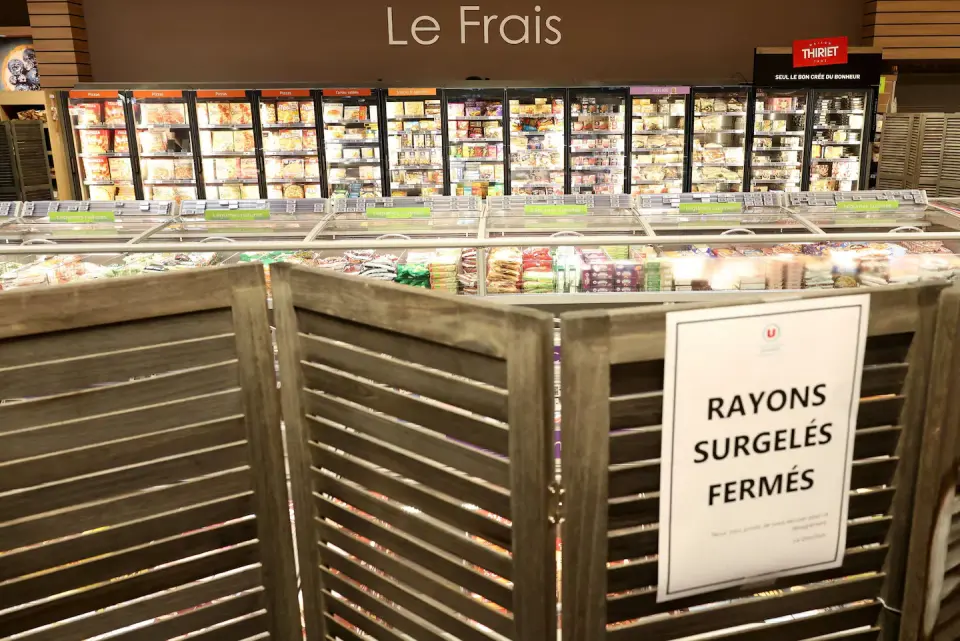
French Foreign Minister Jean-Noël Barrot has attributed a massive cyberattack targeting nearly 700 supermarket refrigeration systems in France to the Iranian Revolutionary Guard. The attack, described as the first large-scale sabotage of its kind on French national territory, caused significant food spoilage and prompted EU sanctions. While Iran has not publicly responded, similar incidents have since been reported in Belgium, Italy, Sweden, and Estonia, raising concerns about the vulnerability of connected industrial appliances.
Key points
- French Foreign Minister Jean-Noël Barrot confirmed that the Iranian Revolutionary Guard is responsible for the cyberattack, stating it marks the first large-scale sabotage on French soil.
- The attack targeted approximately 700 food-distribution sites over two days, causing refrigerators to reach temperatures as high as 122 degrees Fahrenheit, resulting in massive food spoilage.
- Barrot pledged to impose European-level sanctions against those responsible and take other proportionate measures, while French prosecutors have launched an investigation.
- Similar incidents have been reported in Belgium, Italy, Sweden, and Estonia, with the EU food and agriculture commissioner calling the events a deliberate attempt to disrupt the food supply chain.
- The attacks exploited outdated firmware and default passwords in internet-connected refrigeration controllers, highlighting critical gaps in industrial security.
Background
This development follows a series of cyberattacks on French supermarket freezers in late October 2026, which caused temperatures to spike from -27C to over 50C, leading to fires and tens of millions of euros in losses. Earlier in November, hackers also targeted French blood bank cold storage sites, though monitoring systems prevented damage to blood products. Security experts had previously debated whether the attacks were carried out by Russian hacktivists, Iranian state actors, or coordinated groups, with no formal attribution made until now.
How outlets are covering it
The Washington Post reports that France has officially blamed the Iranian Revolutionary Guard for the cyberattack, with Foreign Minister Barrot calling it an attack of unprecedented scope and aggressiveness. The Atlantic provides a broader analysis, noting that while no one has claimed responsibility, the attacks have occurred in at least seven countries and may be connected to earlier incidents at U.S. military bases. The Atlantic also highlights the vulnerability of smart fridges, suggesting that connecting these appliances to the internet created new openings for hackers. Axios, while not providing detailed reporting, confirms the attribution of the attacks to Iranian military hackers. The sources differ in their emphasis: The Washington Post focuses on the official French attribution and diplomatic response, while The Atlantic explores the technical and broader implications of the attacks across Europe and the U.S.
Why it matters
The attribution of the cyberattack to Iran marks a significant escalation in state-sponsored cyber operations targeting critical infrastructure, particularly the food supply chain. The incident highlights the vulnerabilities of internet-connected industrial appliances and the potential for widespread disruption. The EU's response, including sanctions and investigations, signals a shift in how European nations address cyber threats to essential services. The broader implications include increased scrutiny of smart appliance security and potential retaliatory measures, which could impact international relations and cybersecurity policies across the globe.
What to watch
The European Union is expected to impose sanctions against those responsible for the cyberattack, as pledged by French Foreign Minister Jean-Noël Barrot. French prosecutors will continue their investigation into the hacks, and the EU food and agriculture commissioner, Christophe Hansen, will likely coordinate a broader response to protect the food supply chain. Iran is expected to respond to the allegations, though no public statement has been made yet. The incidents in Belgium, Italy, Sweden, and Estonia may lead to further investigations and security measures across Europe. The U.S. may also review its own vulnerabilities, given the suspected attacks on military base commissaries in August.
- Iran hacked hundreds of French supermarket refrigerators, France says The Washington Post
- France says Iranian hackers sabotaged supermarket refrigerators Axios
- Perhaps Connecting Fridges to the Internet Was a Bad Idea The Atlantic
- EXCLUSIVE: French officials blame Iran for refrigerator hacks, vow retaliation Reuters
- France, U.S. Suspect Iran Was Behind Cyberattack on European Fridges WSJ
Want the full story? Read the original reporting
Read on The Washington Post