
Kremlin rejects Kallas as EU negotiator, deepening rift over peace strategy
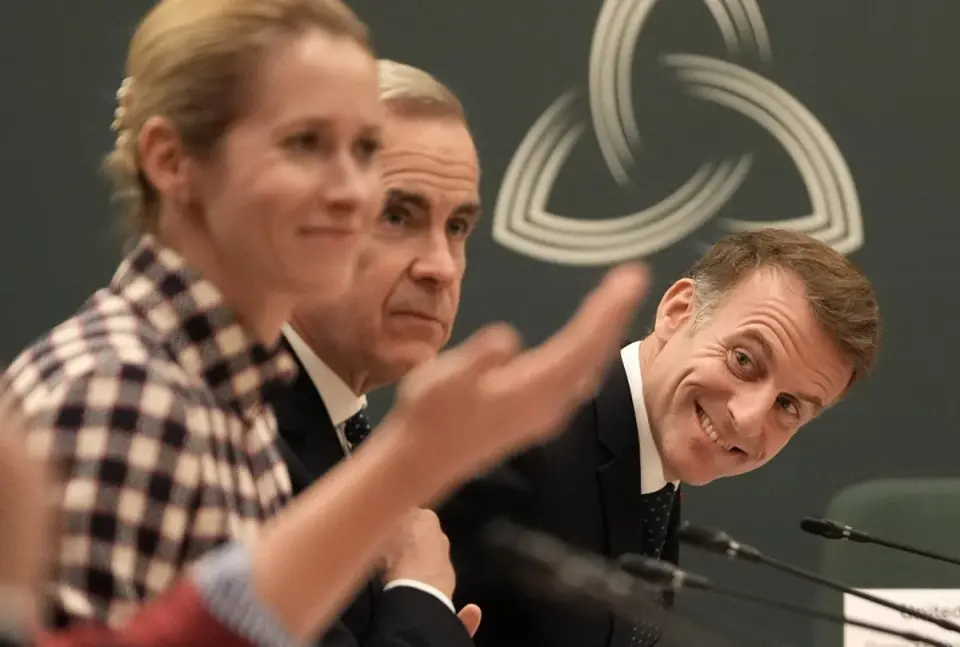
Russia declared EU foreign policy chief Kaja Kallas unacceptable for peace negotiations, warning her participation would derail talks. This follows her exclusion from the official EU negotiating team by leaders in Dublin. While Kallas demands an immediate ceasefire and maximalist concessions from Moscow, some European governments advocate for gradual confidence-building measures, highlighting a strategic divide within the EU.
Key points
- Russian Foreign Ministry spokeswoman Maria Zakharova stated that Kallas’s involvement would cause peace initiatives to collapse, labeling her stance as 'openly Russophobic.'
- Kallas was excluded from the seven-member EU negotiating team after an informal summit in Dublin, where leaders opted for representatives from France, Germany, Italy, Poland, and the UK, along with NATO and Commission officials.
- Kallas insists that a ceasefire must precede any security discussions, arguing that Russia is using negotiations to extend the war rather than end it.
- Austria and Norway propose a softer approach, suggesting partial ceasefires and confidence-building measures, contrasting with Kallas’s hardline demand for immediate Russian concessions.
- The EU imposed new sanctions on nearly 50 Russian banks and energy sector figures, while approving an $8.7 billion payment to Ukraine for defense and infrastructure.
Background
This dispute follows a series of internal EU disagreements over representation in Ukraine peace talks. Earlier in November, leaders debated whether to appoint a single envoy or a broader team, ultimately rejecting Kallas’s candidacy despite her role as High Representative. Previous coverage noted that Europe fears falling into a trap by accepting US-led security frameworks that mirror Russian maximalist demands, such as NATO retreats to 1997 borders. Kallas has consistently rejected any deal that excludes European participation or fails to address Russian aggression, emphasizing that concessions must come from the aggressor, not the victim.
How outlets are covering it
Outlets highlight a sharp divergence in European strategy. Kyiv Post and Al Jazeera emphasize Kallas’s hardline stance, noting her insistence on a ceasefire first and her rejection of Russian security demands. Al Jazeera also reports on recent Russian attacks killing three in Ukraine, framing Moscow’s actions as an attempt to prolong the conflict. Euronews focuses on the political fallout of Kallas’s exclusion, describing her as an isolated figure whose confrontational style has alienated leaders like Italy’s Giorgia Meloni. POLITICO contrasts Kallas’s maximalist approach with Austria’s proposal for gradual confidence-building measures, noting that while Baltic and Nordic states support Kallas, others favor a flexible mandate to allow for negotiation. The sources agree that the EU is divided not only on who speaks for Europe but also on the substance of the demands, with some fearing that hardline positions may stall talks while others argue that compromise without a ceasefire is futile.
Why it matters
The conflict over Kallas’s role exposes deep fractures within the EU regarding how to engage with Russia. If the bloc cannot agree on a unified strategy or representative, it risks undermining its leverage in peace negotiations. Russia’s rejection of Kallas may embolden Moscow to continue its maximalist demands, while internal European divisions could lead to a fragmented response that fails to address the ongoing war. The outcome will determine whether Europe can present a cohesive front or remains divided, potentially allowing Russia to exploit these differences to extend the conflict or secure favorable terms without a genuine ceasefire.
What to watch
EU foreign ministers are expected to meet in Brussels to finalize a mandate for the negotiating team, though disagreements over strategy persist. Talks between Russia, Ukraine, and the US are set to resume in Abu Dhabi, with European representatives seeking a formal role. Kallas may continue to advocate for a hardline approach through the foreign ministers, while Austria and Norway push for confidence-building measures. The EU is also expected to monitor the impact of new sanctions on Russian financial institutions and energy sectors, while continuing to provide military and financial support to Ukraine.
- Moscow Rejects Kaja Kallas as Europe Pushes for Role in Ukraine Peace Talks Kyiv Post
- Russia says role for EU's Kallas in Ukraine talks with Moscow would lead to their collapse Reuters
- Russian attacks kill three in Ukraine, EU accuses Moscow of prolonging war Al Jazeera
- After peace talks snub, Kallas faces reproach and uncertain future Euronews.com
- Europe argued over who would talk to Russia. Agreeing what to say is even tougher. POLITICO.eu
Want the full story? Read the original reporting
Read on Kyiv Post