
US Blockade Halts Iranian Oil Exports at Kharg Island for First Time in Months
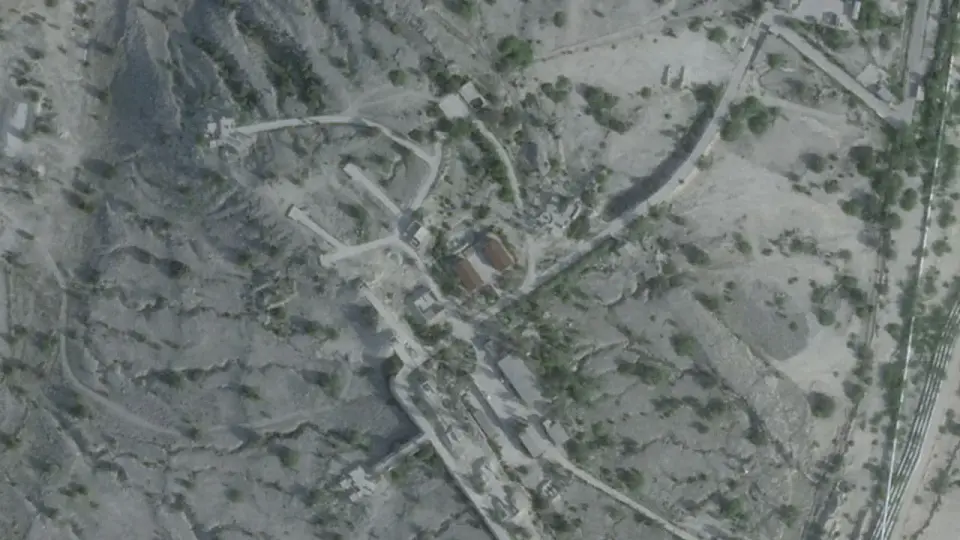
Iranian crude exports have effectively ceased as the US naval blockade prevents tankers from loading at Kharg Island, the country's primary export hub. While Tehran continues to receive revenue from previously shipped cargoes, analysts note that this income stream is now drying up, potentially increasing pressure on Iran to negotiate.
Key points
- No tankers have loaded at Kharg Island since July 31, 2026, following the collapse of an interim agreement to reopen the Strait of Hormuz.
- The US reimposed a naval blockade on July 14, 2026, redirecting 48 vessels and disabling two others to enforce compliance.
- Satellite data shows all three berths at Kharg Island have been empty for an extended period, with only 16 vessels anchored nearby as of August 5.
- Iran is currently earning revenue from 26 tankers that left the Gulf during the ceasefire and are now transferring oil in Malaysia for delivery to China.
- Brent crude prices remain near $82 per barrel as traders await a resolution to the shipping crisis.
Background
The current standoff follows a six-month conflict between the US, Israel, and Iran. In early July 2026, President Trump threatened to seize Kharg Island, which handles approximately 90% of Iran's crude exports, after a ceasefire collapsed. Although a Memorandum of Understanding was signed on June 17 to reopen the Strait of Hormuz, it failed by mid-July, leading to the current blockade. Earlier in the month, European nations moved to reduce dependence on US security guarantees amid the escalating tensions.
How outlets are covering it
The Financial Times and The Jerusalem Post emphasize the effectiveness of the blockade in halting new exports, noting that this is the longest standstill since the war began. However, Richard Bronze of Energy Aspects argues that the revenue loss may not immediately force Tehran to compromise, as Iran believes it holds leverage over the Strait of Hormuz. Conversely, UANI highlights the broader maritime instability, including Houthi attacks in the Red Sea, which further complicates global oil logistics. While some outlets focus on the economic pain for Iran, others note that Tehran may benefit from rising oil prices for its remaining inventory before those revenues also cease.
Why it matters
The halt in Iranian oil exports threatens to tighten global supply, potentially driving up energy costs. The blockade also disrupts the flow of empty tankers needed for future loading, creating a logistical bottleneck. If the revenue from existing cargoes dries up in the coming weeks, Iran may face increased economic pressure to return to negotiations with the US and Oman regarding shipping routes through the Strait of Hormuz.
What to watch
Iran and Oman are in final stages of negotiating a new shipping route through the Strait of Hormuz. If an agreement is reached, the US is expected to lift the blockade and reinstate the oil sanctions waiver. Meanwhile, Iran may reduce oil production at its fields to prevent storage tanks from filling up, as no new exports are currently possible.
- No tankers loaded at Kharg Island for a week amid US blockade, FT says The Jerusalem Post
- Iran’s oil exports stall and Kharg Island idles under US blockade Financial Times
- Dozens of Idling Iranian Oil Tankers Show US Blockade Is Working Bloomberg.com
- Iran Shipping Update – August 5, 2026 United Against Nuclear Iran | UANI
- The Concrete Sarcophagus Where Billions Sit in Silence Lavender Hotel
Want the full story? Read the original reporting
Read on The Jerusalem Post