
High-Altitude Drone Tactics Expose Gaps in Ukraine's Air Defense
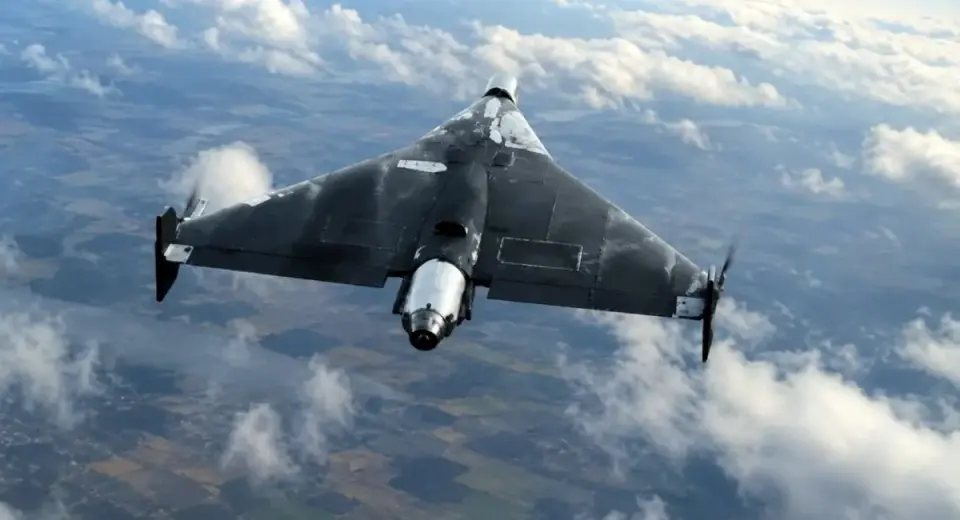
Russian forces are employing high-altitude flight profiles for jet-powered Geran-4 and Geran-5 drones to bypass Ukrainian air defenses. By flying at 7 km, these drones evade short-range systems like Gepard guns and Stinger missiles, forcing Kyiv to rely on expensive medium-range interceptors or fighter jets. This tactic complements a broader surge in drone volume, with August launches exceeding 2,500 units, significantly straining Ukrainian interception capabilities and civilian infrastructure.
Key points
- Geran-4 and Geran-5 drones now fly at altitudes up to 7 km during the cruise phase, a significant shift from the low-altitude tactics used by propeller-driven Shaheds.
- This high-altitude profile places targets beyond the effective engagement ceiling of most Ukrainian short-range air defense systems, including the Gepard (3.5 km), Skyranger 35 (4 km), and Stinger (3.5 km).
- Only medium- and long-range systems like the Buk, IRIS-T SLM, and fighter aircraft can effectively engage targets at 7 km, creating an economic imbalance as these assets are far more expensive than the drones.
- Ukraine’s interception rate for jet-powered drones is approximately 60%, compared to over 90% for propeller-driven drones, according to Air Force spokesman Yurii Ihnat.
- Russia launched over 2,500 jet-powered drones in August 2026, a sharp increase from July, with many being deployed directly from factories to overwhelm Ukrainian defenses.
Background
Since early 2026, Russia has transitioned from relying solely on slow, propeller-driven Shahed drones to a mixed arsenal including jet-powered Geran variants and Banderol cruise missiles. Previous reports indicated that while Ukraine successfully countered low-altitude threats with mobile fire groups and electronic warfare, the introduction of faster, higher-flying drones created a new defensive gap. The current high-altitude tactic represents a further evolution in this strategy, designed to exploit specific technical limitations in Ukrainian air defense coverage.
How outlets are covering it
Defense Express emphasizes the technical specifics of the 7 km altitude, detailing how it renders a wide array of Ukrainian systems ineffective and forces reliance on costly interceptors. Al Jazeera highlights the human cost, noting that 38 people were killed in a single drone strike in August and that civilian deaths have risen sharply as interception rates drop. CNN focuses on the urgency of Ukraine’s response, citing President Zelensky’s acknowledgment that fighter jets are currently the primary defense and the race to develop new interceptor drones. Ukrainska Pravda provides a broader tactical context, noting that Russia is using layered attacks—combining cheap decoys, jet drones, and ballistic missiles—to exhaust Ukrainian defenses and operator fatigue, while also highlighting the economic impact on Kyiv’s daily life and energy infrastructure.
Why it matters
The shift to high-altitude flight by Russian jet-powered drones represents a critical vulnerability in Ukraine’s air defense network. By forcing Kyiv to use expensive, limited medium-range missiles or scarce fighter jets to intercept cheap drones, Russia creates an unsustainable economic and logistical burden. This tactic reduces the effectiveness of Ukraine’s lower-cost countermeasures, potentially allowing more drones to reach targets, thereby increasing civilian casualties and damaging critical infrastructure. As the war enters its fifth year, this dynamic underscores the ongoing technological arms race and the difficulty of defending against asymmetric, high-volume threats.
What to watch
Ukraine is accelerating the development and production of new interceptor drones, with four companies currently in field trials, aiming to scale production to thousands of units. The focus is on creating cost-effective solutions that can match the speed and altitude of Russian drones without depleting expensive missile stocks. Additionally, Ukraine is likely to continue relying on fighter aircraft for high-altitude interception while seeking international partners for new defense technologies. Russia may further refine its layered attack strategies, combining high-altitude drones with other weapons to maximize pressure on Ukrainian defenses as the cold season approaches.
- Why russia's Jet-Powered Drones Fly at 7 km, Which Air Defense Systems Cannot Reach Them Defense Express
- The New Jet-Powered Drones That Are Breeding Anxiety in Ukraine The New York Times
- Russia’s jet-powered drones overwhelm Ukraine, killing dozens aljazeera.com
- Ukraine racing to develop new interceptors as Russian drones and missiles ravage the country CNN
- Life in Kyiv amid constant air-raid warnings as Russia shifts to jet-powered drones Українська правда
Want the full story? Read the original reporting
Read on Defense Express