
Ukraine's 'Vivaldi' Offensive Reclaims 75 Sq Km in Lyman, Signaling a Shift in Combined Arms Tactics
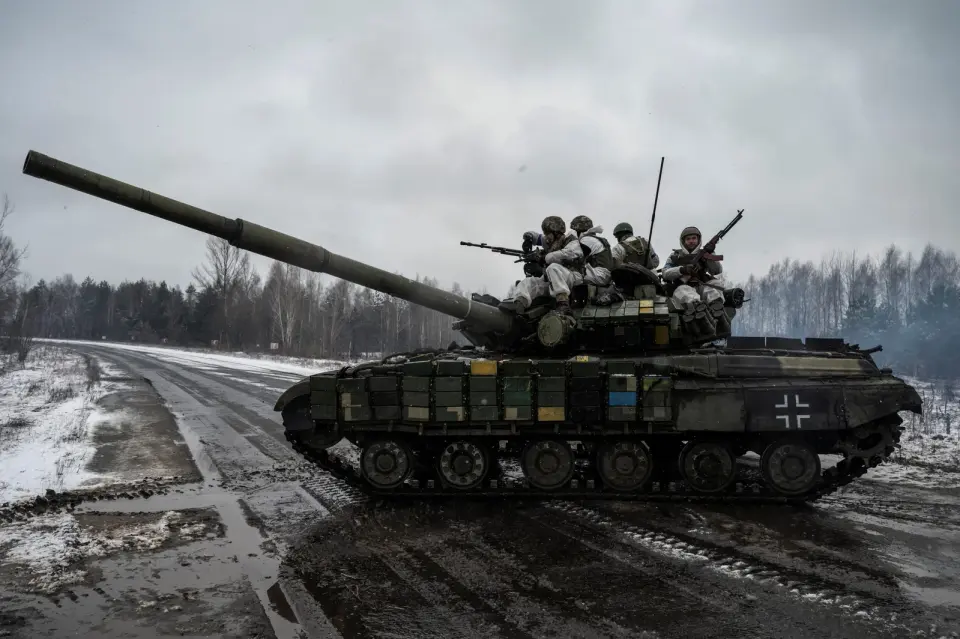
Ukraine's 3rd Army Corps has officially revealed its 'Vivaldi' counteroffensive in the Lyman sector, reclaiming 75 square kilometers of territory after months of operational silence. The operation, which utilized mid-range strikes to soften defenses before mechanized assaults, has inflicted significant casualties on Russian forces. While the advance is not yet complete, it marks a tactical evolution from the 2023 counteroffensive, demonstrating that heavy armor remains viable when paired with advanced electronic warfare and drone countermeasures. Russian warbloggers suggest the loss of the northern salient will prolong the Donbas battle, while Ukrainian officials indicate further phases of the operation are underway.
Key points
- Ukraine's 3rd Army Corps has officially disclosed the 'Vivaldi' operation, which has cleared 75 square kilometers in the Lyman sector after months of secrecy.
- The counteroffensive utilized a combined arms approach, employing mid-range strikes to degrade Russian defenses before deploying mechanized units to retake ground.
- Ukrainian forces report over 1,500 Russian casualties and the destruction of 12,000 drones, alongside hundreds of vehicles, in the sector.
- The operation is described as the first of four phases, with Brig. Gen. Andriy Biletsky indicating that further advances are expected.
- Russian commanders allegedly falsified progress reports, leading to a lack of reinforcements and allowing Ukrainian forces to seize the initiative.
- The success of the offensive highlights the continued relevance of heavy armor when supported by electronic warfare and drone countermeasures, contrasting with the 2023 counteroffensive.
Background
This development follows earlier warnings from former Google CEO Eric Schmidt in August 2026 that rapid drone technology could turn battlefields into no-man's-land, necessitating new countermeasures. Additionally, in August 2026, Russian UN envoy Vasily Nebenzya denied plans for mass mobilization, though he did not rule it out after parliamentary elections, highlighting ongoing tensions regarding Russian manpower. The current 'Vivaldi' operation represents a tactical adaptation to these evolving drone-saturated environments, moving beyond the static warfare seen in previous years.
How outlets are covering it
CEPA emphasizes the tactical evolution of Ukraine's combined arms doctrine, noting that while tanks are used less frequently in some sectors, they remain critical in others when paired with electronic warfare and drone countermeasures. The outlet highlights the success of the 'Vivaldi' operation as a proof of concept for maneuver warfare in a drone-saturated environment. In contrast, the secondary source from Yahoo focuses on the scale of the territorial gains, providing a visual map of the 75 square kilometers reclaimed. While CEPA discusses the strategic implications and the ongoing nature of the operation, Yahoo's coverage centers on the immediate geographic impact of the counteroffensive. Both sources agree on the significance of the advance but differ in their emphasis, with CEPA focusing on doctrinal changes and Yahoo on the physical extent of the gains.
Why it matters
The 'Vivaldi' counteroffensive demonstrates that Ukraine is successfully adapting its military doctrine to counter the proliferation of drones, a key concern raised by experts like Eric Schmidt. By reclaiming significant territory and inflicting heavy casualties, Ukraine has disrupted Russian plans to encircle the western Donbas fortress belt. This success suggests that mechanized maneuver warfare is still viable, provided it is supported by advanced electronic warfare and drone countermeasures. The operation also indicates that Ukraine is capable of executing complex, multi-phase offensives, which could have significant implications for the broader war effort and future negotiations.
What to watch
Ukrainian officials have indicated that the 'Vivaldi' operation is only the first of four phases, suggesting further advances in the Lyman sector. The next steps will likely involve continued use of combined arms tactics, with a focus on integrating electronic warfare and drone countermeasures to support mechanized units. Russian forces may attempt to reinforce the area, but the falsification of reports by Russian commanders has already created vulnerabilities. The outcome of the subsequent phases will determine whether Ukraine can achieve a major breakthrough or if the advance will stall due to artillery barrages and drone attacks.
- Ukraine Advances: The Tank Isn’t Finished Yet Center for European Policy Analysis (CEPA)
- Russian Offensive Campaign Assessment, September 15, 2026 Institute for the Study of War
- A Quiet Ukrainian Counteroffensive, A 'Rout' For Russian Forces Radio Free Europe/Radio Liberty
- Ukraine launches offensive push in north of Donetsk region, senior commander says reuters.com
- Map shows scale of Ukraine's new battlefield gains in major counteroffensive Yahoo
Want the full story? Read the original reporting
Read on Center for European Policy Analysis (CEPA)