
McGurk: October 7th Sabotaged Saudi-Israeli Deal, Intelligence Gaps Persist
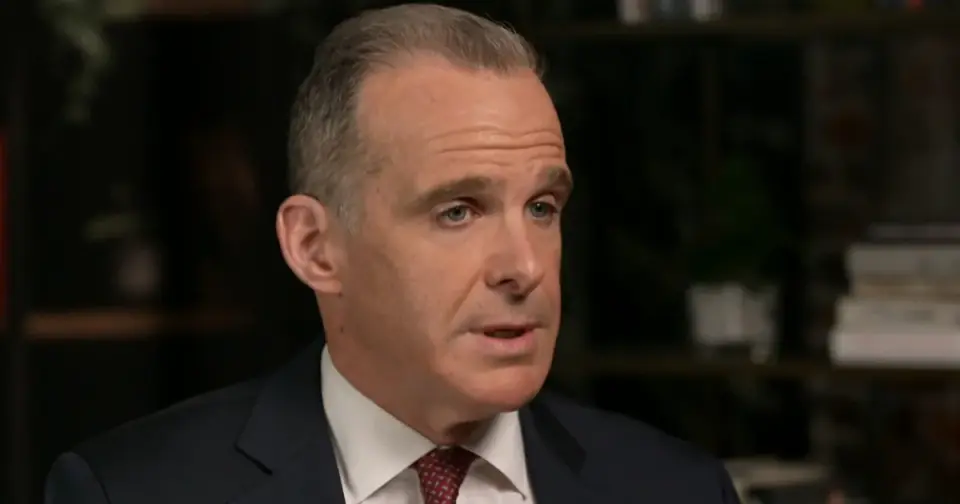
Brett McGurk, former Biden Middle East adviser, argues that the October 7, 2023, Hamas attack was likely motivated to derail a near-finalized normalization deal between Israel and Saudi Arabia. In an interview, he details how the U.S. lacked actionable intelligence warnings prior to the attack, contrasting this with claims from other regional leaders. McGurk emphasizes that hostage negotiations were central to ending the war, rejecting the view that focusing on hostages was a strategic trap. He also highlights the complex role of Qatar as a mediator and the tension between U.S. pressure on Israel and the need to prevent a broader regional conflict.
Key points
- McGurk states that a comprehensive deal involving Israeli-Saudi normalization and Palestinian statehood was nearly finalized hours before the October 7 attack, which he believes Hamas aimed to disrupt.
- He asserts that U.S. intelligence had no clear warnings of the attack, though he acknowledges potential 'failure of imagination' in Israeli security assessments regarding Hamas capabilities.
- McGurk disputes the claim that focusing on hostage releases was a 'trap,' arguing that the war could not have ended without a hostage deal, citing a failed November 2023 agreement for women and children.
- He describes Qatar as a critical, albeit controversial, intermediary for communications with Hamas, noting that while the U.S. sometimes wished to expel Hamas from Doha, the channel was essential for negotiations.
- McGurk recounts a tense April 2024 call between Biden and Netanyahu, where the U.S. considered halting military aid but paused only heavy munitions due to an impending Iranian missile threat.
Background
This interview follows the release of McGurk's book, 'Brink,' which details his experiences during the Biden administration. It addresses ongoing debates about U.S. policy toward Israel and the Middle East, particularly regarding the balance between humanitarian concerns in Gaza and security interests in Israel. The discussion also touches on the political polarization in the U.S. regarding support for Israel during the 2024 election cycle.
Why it matters
The insights from a top U.S. adviser provide a rare, detailed look at the decision-making processes behind major Middle East diplomatic efforts and crisis management. Understanding the potential link between the normalization deal and the attack offers new context for the geopolitical motivations behind the conflict. Furthermore, the discussion on intelligence failures and the role of intermediaries like Qatar informs current and future U.S. strategies in the region, highlighting the complexities of balancing diplomatic goals with security imperatives.
What to watch
The interview suggests that a formal Israeli commission of inquiry into the October 7 attack is still pending, which could lead to significant policy reforms. Ongoing debates about the role of Qatar and the effectiveness of U.S. pressure on Israel are likely to continue influencing U.S. foreign policy decisions. The focus on hostage negotiations and the potential for future deals will remain central to U.S. and Israeli strategies in the region.
Want the full story? Read the original reporting
Read on CBS News