
Bolivian sanctuary cat identified as first new wild species in 100 years
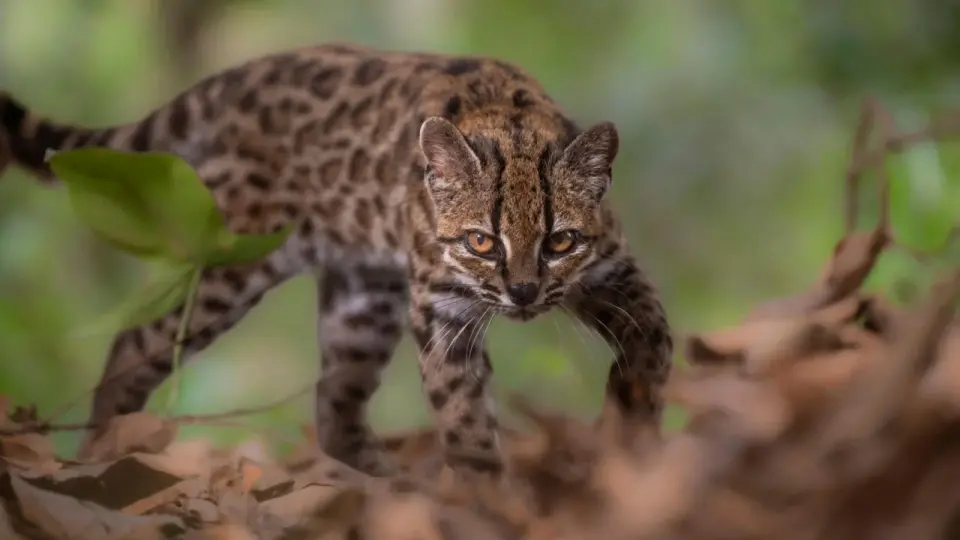
Scientists have identified a previously unknown wild cat species, Leopardus tilcayo, in Bolivia. The tiny, spotted feline, which had lived at a local wildlife sanctuary for years, is the first new living cat species described in over a century. Genetic analysis confirms it diverged from other tiger cats 1.4 million years ago, revealing that what was once thought to be a single species is actually five distinct ones.
Key points
- The species, named Leopardus tilcayo, was identified at the Senda Verde sanctuary in Bolivia's Yungas region, about two hours from La Paz.
- The only known individual is a 10-year-old male named Tigrino, measuring 18 inches and weighing 3 pounds, smaller than an average house cat.
- The discovery was published in Current Biology, marking the first new wild cat species described since the Uruguayan pampas cat in 1923.
- Genomic analysis of 38 cats across South America and museum specimens revealed that tiger cats comprise five distinct species, not one.
- The lineage of the tilcayo split from other tiger cats approximately 1.4 million years ago, a divergence comparable to that between modern and cave lions.
- The name 'tilcayo' preserves the local term used by communities in the Andean cloud forests, though its specific meaning in Spanish or Quechua is unknown.
Background
Previous coverage from our archive in September 2026 confirmed the initial announcement of the Leopardus tilcayo discovery, noting its vulnerable status and the reliance on whole-genome sequencing. Earlier reports also emphasized the cat's resemblance to a miniature leopard and the long-standing local knowledge of the animal before scientific validation.
How outlets are covering it
France 24 and Al Jazeera focus on the historical significance of the discovery as the first new cat species in over a century, highlighting the role of local communities in naming the animal. National Geographic provides a detailed timeline, noting that biologist Paola Nogales-Ascarrunz first encountered the cat in 2017 and only confirmed its species status years later through advanced genetic analysis. The New York Times emphasizes the cat's physical characteristics and its status as a 'standard-bearer' for new feline discovery. While all sources agree on the species' novelty, National Geographic and Al Jazeera note that the study also identified a new subspecies in Peru, Leopardus tigrinus antisuyo, and suggested that the margay may actually consist of four distinct species, a point not emphasized by France 24 or the New York Times.
Why it matters
The identification of Leopardus tilcayo underscores that significant biodiversity remains undiscovered even in well-studied groups like the cat family. It challenges previous classifications that grouped multiple species into one, which can lead to underestimating extinction risks. The discovery highlights the urgent need for conservation in Bolivia's Yungas forests, where habitat loss from deforestation and gold mining threatens unknown populations. It also demonstrates the power of modern genomic analysis to reveal hidden evolutionary relationships, potentially leading to the discovery of more species in other regions.
What to watch
Researchers plan to install camera traps in the Yungas forests to estimate the wild population size and study the behavior, diet, and habitat of the tilcayo. Further genetic studies are expected to clarify the status of the margay and other small wild cats, potentially revealing more new species. Conservation efforts will likely intensify to protect the Yungas forests, as the recognition of multiple distinct species increases the urgency to assess and protect each population separately.
- Scientists discover first new wild cat in more than 100 years France 24
- Meet the First New Cat Species Discovered in 100 Years nationalgeographic.com
- Scientists identify first new wild cat species in 100 years OregonLive.com
- New tiger cat species identified in Bolivia, first in over a century Al Jazeera
- New Species of Cat Discovered for First Time in a Century The New York Times
Want the full story? Read the original reporting
Read on France 24